Zirconの認定ディーラー一覧と購入ガイド
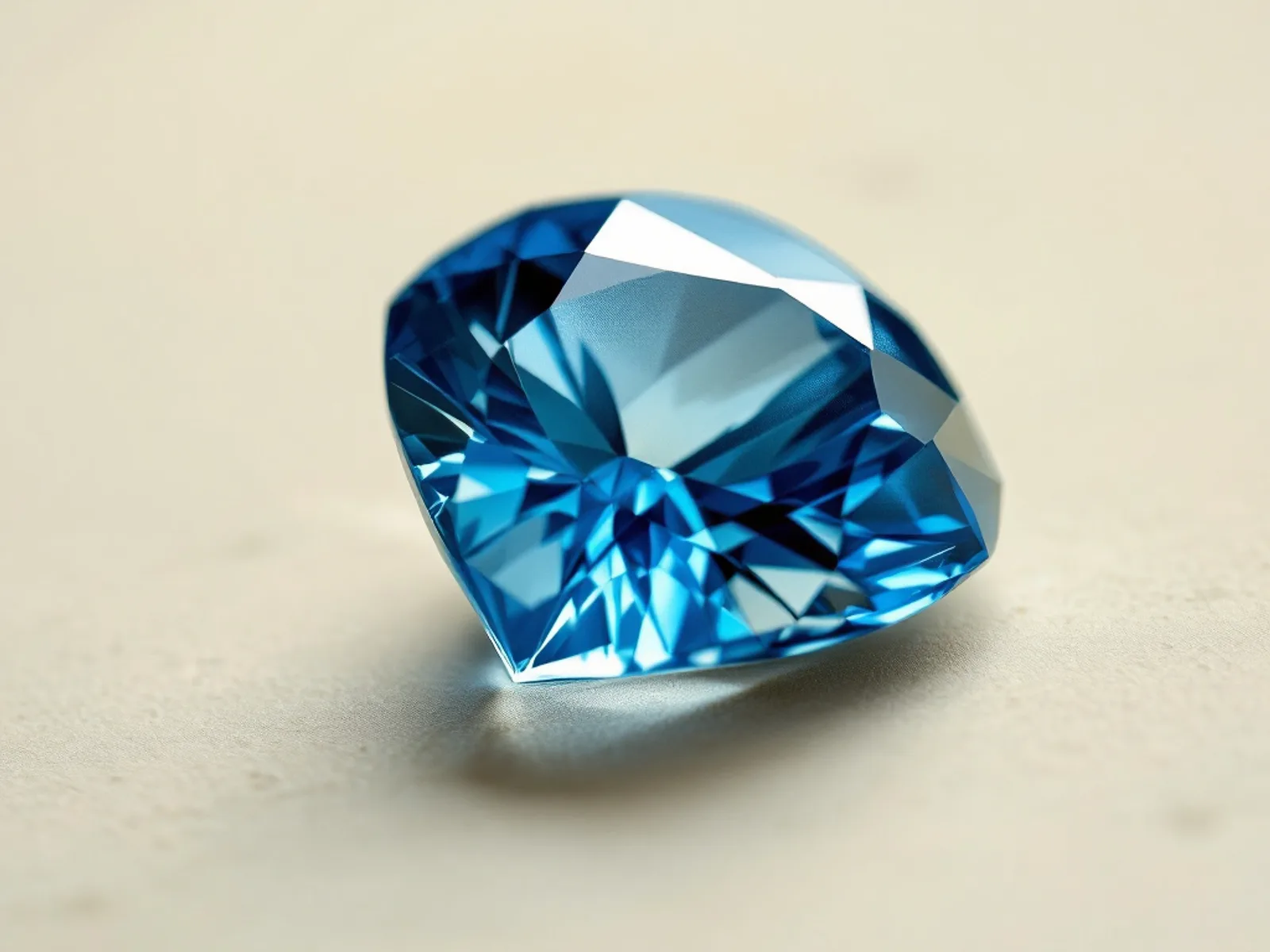
Zircon is the oldest mineral ever dated on earth, from grains in Western Australia at over four billion years. It is also one of the most misunderstood gems in the trade, routinely confused with cubic zirconia despite sharing nothing with it beyond a syllable. It is zirconium silicate, natural, with a refractive index and a dispersion close to diamond, so a well cut stone throws fire that few natural gems match. Most of what sells is blue, and nearly all of the blue has been heated. This page covers Cambodia and the heating that makes the blue, Sri Lanka and Tanzania for the rest, why the name causes trouble, how the stone behaves in a ring, and what to ask.
Blue, honey, red and colourless
Natural zircon comes out of the ground colourless, yellow, honey, brown, red, green and, rarely, blue. Blue is the market. The electric, slightly greenish blue that dominates jewellery is made by heating brown rough from Cambodia in an oxygen-starved furnace at something near 1,000 degrees. Heat the same rough with air and it goes colourless or golden instead. Colourless zircon was the diamond substitute of the nineteenth century, when Sri Lankan stones were sold as Matara diamond, and it still passes across a room. Honey and golden yellows are common and cheap. Reds and oranges, the old jacinth and hyacinth of the trade, come mainly from Tanzania and are unheated. Greens are mostly Sri Lankan, often of the low type that has been partly broken down by its own trace radioactivity, and are collectors' stones.
Zircon has strong birefringence, so the back facets appear doubled through the table in a way that a lens finds at once and, in a large stone, the eye finds too. Cutters manage it by orienting the table on the optic axis. Doubling is also the quickest way to tell zircon from cubic zirconia and from diamond, neither of which shows it.
Ratanakiri, Sri Lanka, Tanzania
Cambodia is the centre of blue production. The rough comes from Ratanakiri province in the north east, dug from weathered basalt and heated locally or in Bangkok before cutting. Thai heaters and cutters handle most of it, so a Cambodian stone bought in Bangkok is the norm rather than the exception. Sri Lanka supplies fine yellows and greens alongside colourless material, from the same Ratnapura gravels that give sapphire, and much of it is unheated. Tanzania and Madagascar contribute earthy reds, oranges and browns, Tanzania's from the Tunduru district. Myanmar produces some fine reds and colourless from Mogok, and Australian browns from the Harts Range are heated to golden.
Origin is rarely on a zircon report and rarely moves price. Colour, treatment and size do.
Heat, radioactivity and the name
Nearly all blue zircon is heated. The treatment is stable and accepted, and it must nonetheless be declared, because a buyer is entitled to know that the colour was made in a furnace. GIA and the other laboratories identify the stone as natural zircon. A comment on heating is offered on some reports and not on others, and in practice the trade treats every blue as heated whatever the report says. Unheated stones in natural honey, red and green appeal to collectors precisely because they are untouched; for those, a report that mentions no heating is worth asking for. A minority of heated blues drift back towards brown after long exposure to strong light and can be reheated to restore the colour. It is uncommon, and a dealer should say so if a stone has done it.
Zircon contains traces of uranium and thorium, and low-type stones show measurable radioactivity, which reputable dealers screen out of parcels. It is not a hazard in normal high-type material, and certification from an independent laboratory settles the question for cautious buyers.
The name is the other problem. Cubic zirconia is a manufactured zirconium oxide, made since the 1970s as a diamond simulant, and shares nothing with zircon except the metal. A dealer who calls a stone zircon should be able to write natural zircon on the invoice.
Wear, price and what to ask
Zircon is brittle at facet edges and abrades with careless handling, so ring stones deserve protective settings and a jeweller warned in advance. Paper wear, the frosting of facet junctions after years loose in a parcel, is characteristic. Hardness runs from around 6 in low-type stones to 7.5 in high-type blues. It should stay out of the ultrasonic cleaner and away from the torch, since heat can shift the colour of a heated stone. None of this diminishes the gem; it simply asks for a dealer who explains what the stone needs.
Price follows colour first. A saturated, even blue with no grey and no green in it takes the top of the scale. Per-carat prices step up past 5 ct and again past 10 ct, because clean Cambodian blues at those weights have become scarce. Cut is next and matters more than in most gems, since a poorly cut zircon wastes the fire it exists for. Reds and unheated honeys are priced as collectors' stones. Ask whether it is heated. Ask that the invoice reads natural zircon, and ask for a report on anything over 5 ct. If the stone is blue and unusually large, ask where the dealer got it and when.
Buying through the register
The zircon specialists listed here have been checked by GemsVerified for legitimacy, certification practice and treatment disclosure, so their declared heat status and origin statements rest on documented practice.
Compare listings by colour, weight and declared treatment, then raise questions directly with the house concerned. Get heat in writing and the species on the invoice. GemsVerified verifies dealers, not individual stones.
登録されているディーラー
ディレクトリ内のすべてを表示する →現在、このページには登録済みのディーラーはいません。ディーラーの認証が完了するにつれて、カタログは順次充実していきます。
よくある質問と回答
Is blue zircon natural?
The stone is natural; the colour is produced by heating brown Cambodian rough in a reducing furnace. The treatment is stable and accepted by the trade, and every listing on the register declares it. Blue zircon of natural colour exists but is rare, and unless a laboratory report says otherwise a blue stone should be assumed heated.
Is zircon the same as cubic zirconia?
No. Zircon is a natural mineral, zirconium silicate, mined in Cambodia, Sri Lanka, Tanzania and elsewhere. Cubic zirconia is a manufactured zirconium oxide, made since the 1970s as a diamond simulant. They share a metal and a syllable and nothing else. The doubling of back facets seen through a lens in zircon is absent in cubic zirconia.
Where does zircon come from?
Cambodia's Ratanakiri province supplies the brown rough that is heated to blue, mostly via Bangkok. Sri Lanka gives colourless, yellow and green stones from the Ratnapura gravels, Tanzania and Madagascar the reds and browns, Myanmar some fine reds and colourless. Origin is rarely stated on a report and rarely moves price; colour, heat and size do.
Can zircon be worn every day?
With a protective setting and some care. Zircon is 6 to 7.5 on the Mohs scale but brittle at the facet edges, so it chips and abrades where a sapphire would not, and years of knocks show as frosted facet junctions. Keep it out of ultrasonic cleaners and away from a torch. Earrings and pendants suit it best; a ring needs a bezel or a low setting.
Is zircon radioactive?
It carries traces of uranium and thorium, and the low-type stones whose crystal structure has partly broken down show measurable radioactivity. Reputable dealers screen those out, and normal high-type gem zircon is not a hazard to wear. A cautious buyer can ask for a report from an independent laboratory, which will identify the stone and its type rather than rely on the seller's word.