Cambodia — forhandler- og innkjøpsguide
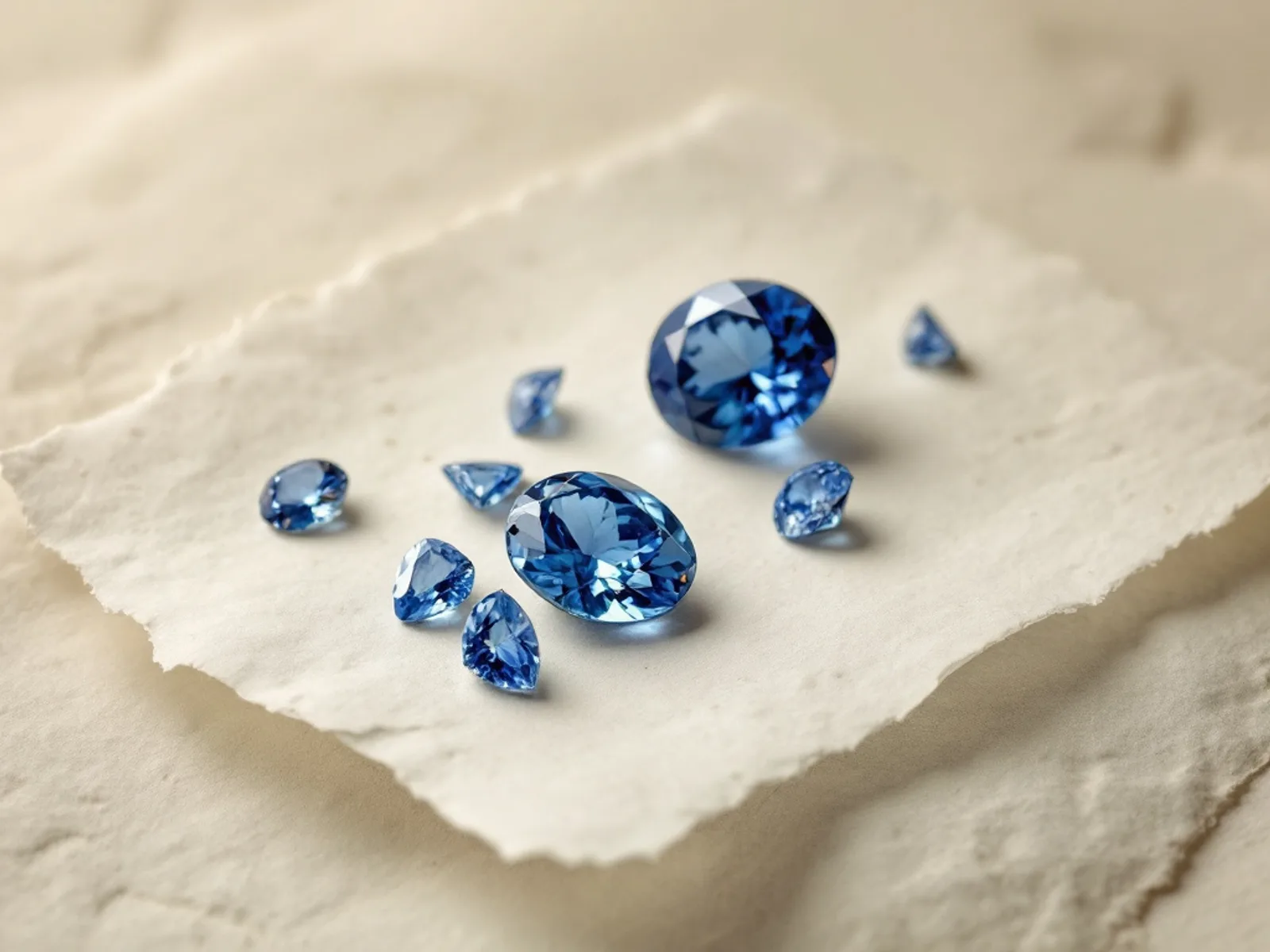
Cambodia holds two distinct places in the gem trade. Pailin in the west was for a century one of the great sapphire and ruby districts of Asia. Ratanakiri in the north-east is the world reference for blue zircon. Both names still carry weight, even as production has thinned from its peak. Both get borrowed by stones that never saw the country. This page covers Pailin and its corundum, Ratanakiri and its zircon, the Chanthaburi connection, heat, and what a listing bearing either name ought to be able to prove.
Pailin
The basalt fields around Pailin, near the Thai border, supplied dark blue sapphire and ruby from the 1870s onward, when Shan miners from Burma opened the gravels. The town gave its name to a recognised trade type. Pailin sapphire tends to a deep, slightly inky blue that responds well to careful cutting. The ruby ran small, often purplish, and much of it was better than its size suggested. In the 1980s and 1990s the district was Khmer Rouge territory and its gem output paid for the war. Thai companies mechanised the digging. That stripped the easy ground. Alluvial digging continues at modest scale today, with stones moving through Pailin itself and across the border into the Chanthaburi cutting trade. Old-stock stones from before the mechanised years circulate with a provenance premium.
Cambodian sapphire and ruby follow the standard heat conventions of the region. Nearly all of it is heated in Chanthaburi, and a report will say "indications of heating". Unheated Pailin blue exists, mostly in old parcels, and "no indication of heating" on the report is where the money is. Laboratories place Pailin corundum in the basalt-related group by its iron chemistry and inclusions. Separating it from the Chanthaburi and Trat material a few kilometres over the border is difficult. So is separating it from Australian and Nigerian basaltic sapphire. An honest report may say Cambodia or Thailand, or decline to name a country. Which is why "Pailin" on an invoice usually means dark basaltic sapphire, heated, and not much more.
Ratanakiri
The zircon diggings around Banlung, in Bokeo district, produce the reddish brown rough that becomes the electric blue zircon of the trade after heating. Zircon weathers out of the basalt into shallow gravels. It is dug by hand, sorted in the villages, and sold on to Bangkok and Chanthaburi for treatment and cutting. Some is heated locally in charcoal furnaces. Heating in a reducing atmosphere gives blue, and in an oxidising one, colourless or golden. The colour is stable, and the treatment universal and accepted, but it must still be declared. The Ratanakiri name on a listing should mean the stone actually came from the province rather than serving as a colour description. Ratanakiri zircon is high-type, not metamict, so the softness and haziness of low zircon are not a worry here. Two things are. Zircon is brittle at the facet edges and chips in a ring. A few blue stones drift towards brown under long ultraviolet exposure, which reheating reverses. Neither is a defect a dealer should hide.
Heat, reports and the Chanthaburi connection
Blue zircon is heated by definition. Honey and colourless stones may be natural. Reports from GIA and the other major houses identify zircon and, for blue, note that the colour results from heating. Origin opinions are not generally issued for zircon, so provenance rests on the dealer. For sapphire and ruby, GIA, Gübelin, SSEF, GRS, AIGS and Lotus report treatment and, where the evidence allows, an origin, stated as an opinion. Nearly every Cambodian stone of consequence passes through Chanthaburi, an hour or two from Pailin. The weekend market there has been buying Cambodian rough for a century, and the burners work there too. Written declarations, and reports on more significant stones, keep these distinctions honest.
Buying Cambodian stones
Ask what "Pailin" means on the listing: mine, district, or colour type. Ask whether the sapphire is heated and where. For anything sold as unheated or as old stock, ask for the report. For zircon, ask that it be described as heated blue zircon. Ask that Ratanakiri be used only where the dealer knows the stone came from Ratanakiri. Ask, too, whether it is high zircon, and how it should be set. Treatment and origin, when a laboratory can give one, come from an independent report and not from the seller alone. Compare declared treatments and origins across the listed houses before making contact.
Buying through the register
The dealers listed on this page have had legitimacy, certification practice and disclosure standards checked. Ask for the laboratory report where the stone justifies one, have treatment confirmed in writing, and see that report and invoice agree.
GemsVerified verifies dealers rather than certifying stones. The listed houses span the Pailin corundum trade and the Ratanakiri zircon business.
Forhandlere i registeret
Vis alt i katalogen →Det er foreløpig ingen forhandlere registrert på denne siden. Katalogen utvides etter hvert som forhandlerne blir godkjent.
Spørsmål og svar
What stones come from Cambodia?
Sapphire and ruby from the basalt fields around Pailin, and the blue zircon of Ratanakiri. Small amounts of garnet, peridot and other basalt-related material also come out. See the verified dealer grid for current availability of Cambodian goods.
Is Ratanakiri zircon heated?
Yes, blue zircon is produced by heating local brown rough, usually in a charcoal furnace, and the colour is stable. The treatment is universal and always declared on GemsVerified listings. Honey and colourless zircon may be natural. A laboratory report identifies zircon and notes that the blue is due to heating.
Is Pailin sapphire still mined?
At a modest scale, by hand, from the gravels the mechanised operations of the 1980s and 1990s left behind. Most fine Pailin stones on the market are old stock and priced accordingly. Ask how the dealer knows a stone is Pailin, since laboratories often cannot separate it from Thai basaltic sapphire.
How is Cambodian sapphire treated?
Almost all of it is heated in Chanthaburi to lift the dark, inky blue, and an independent laboratory report will read "indications of heating". Unheated stones exist mostly in old parcels and carry a premium under "no indication of heating". Treatment should be established by the report, not by the seller's description.
Does zircon fade or chip?
Some heated blue zircon drifts towards brown after long exposure to strong ultraviolet, and reheating restores it; most stones never change. Zircon is brittle at facet edges and should be set protectively and kept out of ultrasonic cleaners. Neither point stops it being a fine stone. A dealer should mention both.