Kunziteの認定ディーラー一覧と購入ガイド
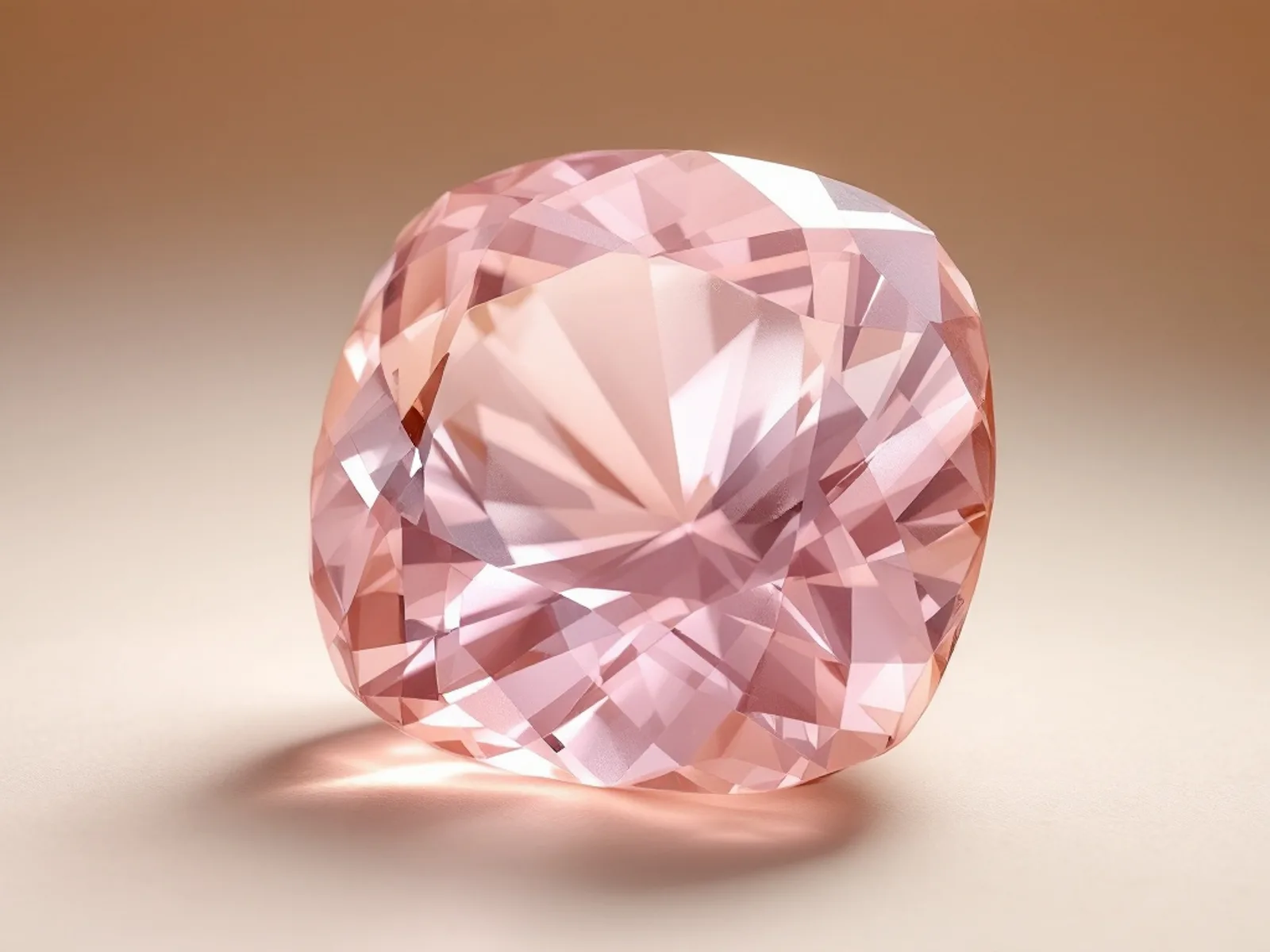
Kunzite is the pink to violet variety of spodumene, a lithium aluminium silicate, named for the gemmologist George Frederick Kunz after he described the first Californian crystals in 1902. Two things set it apart from every other pink gem. It comes big: clean stones of 20 ct and more are ordinary, and hundred-carat stones exist, at weights where pink sapphire and spinel are simply not to be had. And it is light sensitive, so a stone that spends its days in the sun will pale. This page covers where the material comes from, what irradiation and heat do to it and how far a laboratory can tell, why the cut decides the colour, and what to ask before buying.
Afghanistan, Brazil and the old Pala mines
Afghanistan is the principal modern source. The pegmatites of Nuristan, and the neighbouring valleys under the Hindu Kush, produce long blade-like crystals that can weigh a kilogram, and the rough moves out through Kabul and Peshawar to cutters in Jaipur, Bangkok and Idar-Oberstein. Brazil supplied the market before Afghanistan did and still does, from the pegmatite belt of Minas Gerais around Galiléia, where the Urucum mine gave up some of the largest kunzite ever cut. Madagascar contributes steadily. Pala, in San Diego County, is where the species was first recognised, and old Pala Chief material still changes hands among collectors, more for the label than the colour.
Rough is plentiful. That matters, because it means scarcity is not what separates a fine stone from a dull one; the cutter is. A 30 ct Afghan stone properly oriented can be had for less than a 2 ct pink sapphire of no particular merit, and it will look like more.
Colour, orientation and the evening-stone problem
Manganese gives the colour, which runs from the palest lilac pink through rose to a violet that in the best Afghan crystals sits close to lavender amethyst. The crystal is strongly pleochroic. Look down its length and the colour is deep; look across it and it is nearly gone. So the table has to be cut at right angles to the long axis, which throws away weight, and a cutter paid by the carat is tempted not to. A lazy cut leaves a large pale stone with colour showing only at the tips. Hold the stone table up in daylight. If it is properly cut the colour comes straight back at you.
Then there is fading. Strong sunlight and heat bleach the manganese colour centres, slowly, and a stone worn all summer on the hand can lose noticeable depth over a few years. The trade calls kunzite an evening stone for that reason, and it is not a marketing line. Store it in the dark. Do not leave it in a shop window.
Irradiation, heat and what a report can say
Some kunzite is irradiated to deepen the pink or push it towards violet, and some is heated afterwards to settle the result. Neither is stable in the way heat on a sapphire is stable. Irradiated colour tends to fade faster than natural colour, and pale spodumene that has been irradiated to a strong green, sometimes sold as hiddenite, can lose that green in days on a windowsill. So the treatment declaration on kunzite carries more weight than it does for most gems, and untreated stones with naturally strong colour take the premium.
The awkward part is that laboratories cannot always tell. GIA and the others will identify the species and variety without difficulty; a firm comment on irradiation depends on whether the stone shows anything to detect, and often it does not. Reports on kunzite are therefore mostly identification reports. Which leaves the buyer with the dealer's written statement of what was done, and how long the dealer has held the stone and in what light, as the practical evidence. Ask both. A very deep colour in a small stone is a prompt for questions rather than a bargain.
Price and what to ask
Depth and evenness of colour first, with violet pink ahead of plain pink and any brown or grey tint marked down. Then orientation, since it decides whether the colour shows face up. Kunzite is normally clean, so eye-visible inclusions cost more here than in an included species. Size adds price per carat only modestly; the market is used to big stones and pays for colour rather than weight. Two directions of perfect cleavage make it a difficult stone to cut and an unforgiving one to set, so a ring stone wants a protective mount and a jeweller warned in advance, and it should never go into an ultrasonic bath or near a torch.
Ask whether the stone has been irradiated or heated and get the answer in writing. Ask how long the dealer has had it and whether it has been kept out of the sun. Look at it in daylight, table up. The misdescriptions we see are irradiated stones sold as natural colour, irradiated green spodumene sold as hiddenite, and large pale stones priced as if depth of colour were a given.
Buying through the register
The dealers on this page have been checked by GemsVerified for legitimacy, certification practice and disclosure. Each states treatment explicitly, which for kunzite is the single most useful fact a buyer can have.
Ask for a laboratory identification where one exists and for the treatment declaration in writing whether or not it does. GemsVerified verifies dealers, not individual stones. Then keep the stone out of the sun.
登録されているディーラー
ディレクトリ内のすべてを表示する →現在、このページには登録済みのディーラーはいません。ディーラーの認証が完了するにつれて、カタログは順次充実していきます。
よくある質問と回答
Does kunzite fade?
Yes, given time in strong light. Sunlight and heat slowly bleach the manganese colour, which is why the trade calls it an evening stone. Worn away from direct sun and stored in the dark it holds up well for decades; irradiated colour fades faster than natural colour, which is one more reason to ask about treatment.
Is kunzite treated?
Some stones are irradiated, or irradiated and then heated, to deepen the pink or violet, and the result can be unstable. Laboratories cannot always detect it, so the dealer's written declaration matters more than usual. Every listing on the register declares treatment explicitly, and untreated stones with naturally strong colour take the premium.
Where does kunzite come from?
Afghanistan is the main source today, from the pegmatites of Nuristan, with rough traded through Kabul and Peshawar. Brazil, chiefly Minas Gerais, and Madagascar supply steadily, and the Pala district of California is the historic locality where Kunz described the stone in 1902. Origin rarely moves price and is seldom stated on a report.
Can kunzite be worn in a ring?
With care. It is 6.5 to 7 on the Mohs scale but has two directions of perfect cleavage, so a sharp knock can split it, and a protective setting is wise. Keep it away from ultrasonic cleaners, jewellers' torches and long spells in bright sun. Pendants and earrings suit it better than a daily ring.
Is kunzite the same as hiddenite?
Same species, different variety. Hiddenite is the green spodumene coloured by chromium, first found in North Carolina, and genuine material is scarce. Much of what is sold as hiddenite is pale spodumene irradiated to green, and that colour fades within days in light. Only an independent laboratory report can confirm the chromium colouring, so treat the name with caution.