Montana — forhandler- og indkøbsguide
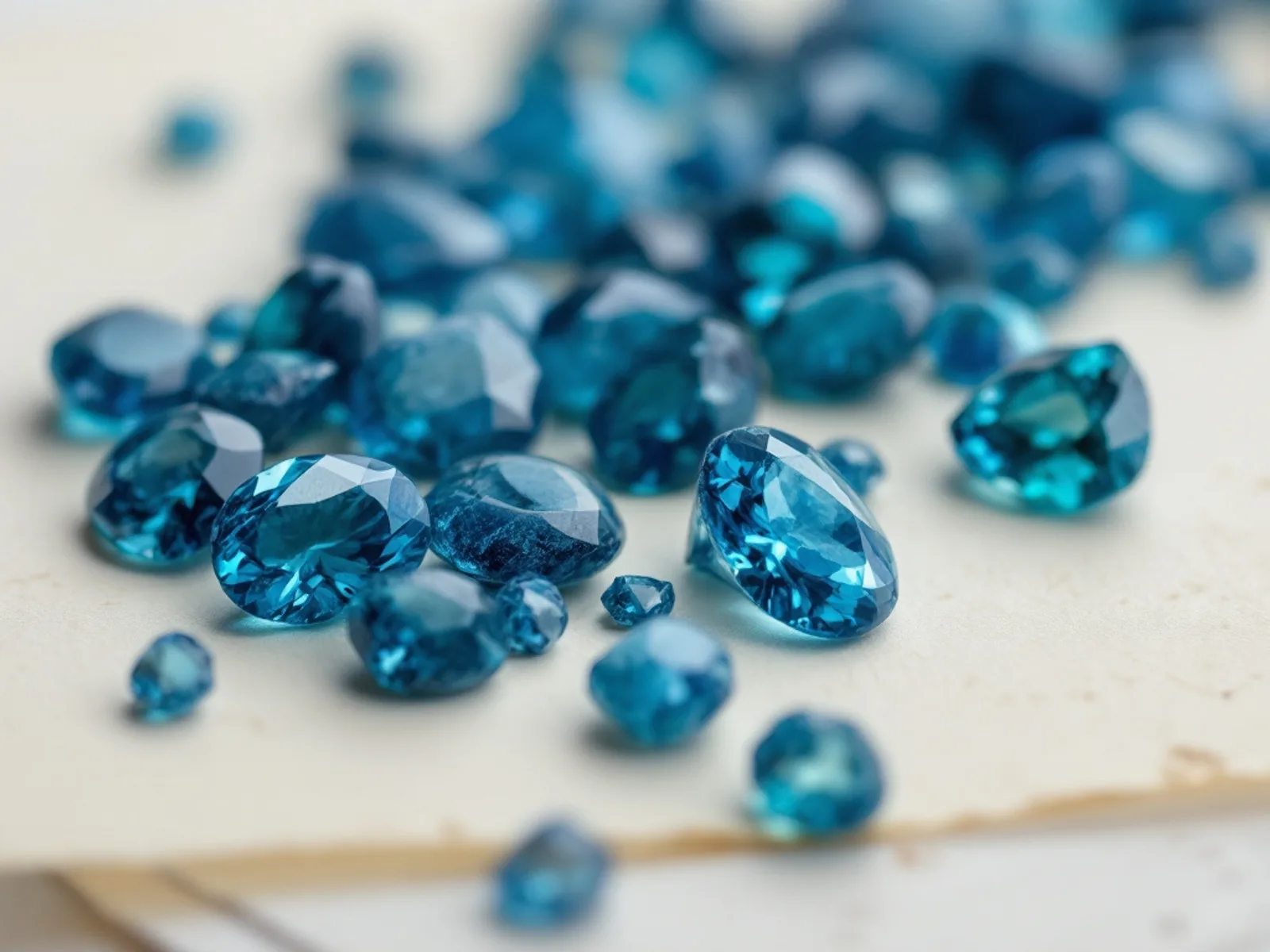
Montana is the gem origin of the United States that matters to the coloured stone trade, on the strength of one species: sapphire. Its two producing traditions, the fancy coloured alluvial fields and the deep blue dyke at Yogo Gulch, occupy distinct positions in the market and are discussed as separate origins in all but name. Below: Rock Creek and the Missouri River bars, Yogo, why heat is the operative word for one and not the other, how a laboratory confirms Montana, and what to ask when the appeal is provenance.
The alluvial fields
Gold miners on the Missouri River bars near Helena were sieving out sapphire by 1865 and throwing most of it back. Rock Creek near Philipsburg came in 1892, Dry Cottonwood Creek about the same time, and all three have produced since the 1890s, originally as a by product of gold dredging and later on their own account. The material runs to pastel blues, greens, teals and the occasional pink or orange, mostly in melee to middle sizes. A clean 2 ct stone from Rock Creek is a good stone. Above 3 ct is uncommon.
Heat treatment brightens much of the production and is standard, declared practice. Rock Creek rough often comes out a pale greyish green or nearly colourless and goes into the furnace to bring up blue, green or yellow. Some of it is done in Montana, some in Thailand, and it should be declared either way. Unheated alluvial stones exist and sell for more, but the untreated claim on a Rock Creek stone wants a report behind it. The teal and parti coloured stones have found a strong following among American designers seeking traceable domestic material, and that demand has pushed prices for good teal well past what the same colour fetches from Australia or Nigeria.
Yogo Gulch
The Yogo deposit in the Little Belt mountains is a different proposition. Cornflower blue sapphire of even colour, recovered from a hard rock dyke rather than gravels, and requiring no heating; it comes out of the ground the colour it will stay. The dyke was found in 1895 and worked by an English syndicate into the 1920s, then in fits and starts by a string of owners since. Yogos are rarely large. The crystals grow flat, so a clean stone above 1 ct is scarce and commands prices that surprise buyers accustomed to treated material of the same colour.
Their uniform colour and untreated status give them a documented integrity that collectors value. Under the microscope they are unusually clean, with none of the silk that heating would have dissolved, and that absence of silk is itself part of the identification. On price, a fine 1 ct Yogo can cost what a heated 3 ct Ceylon of similar blue would, and buyers either see the point or do not.
Treatment and how a laboratory confirms Montana
The operative distinction is heated alluvial material against unheated Yogo, and any listing should say which it is. American cut stones normally travel with clear paperwork; laboratory confirmation of the unheated claim is routine for finer Yogos and increasingly for unheated Rock Creek stones. GIA and AGL in New York, which sees more Montana sapphire than any laboratory outside the state, both give USA or Montana as an origin opinion, and Gübelin and SSEF will do so on request. The evidence is inclusions and trace element chemistry: Rock Creek and Missouri River stones grew in one setting and carry its chemical signature, Yogos in another, and neither looks like Ceylon or Madagascar on the instruments.
Ask for the wording. "No indications of heating" is a positive claim and carries the premium. "Indications of heating" on an alluvial stone is normal, and not a fault. On a Yogo it would be strange, and worth a question.
Buying Montana sapphire
Montana appeals precisely because provenance is short and documentable. A stone can go from a Rock Creek concentrate to a cutter in Montana or Idaho to a designer's bench in Brooklyn without leaving the country, and a dealer with mine direct sourcing can show that chain from gravel to finished stone. Ask for it. Ask whether the stone was heated and where. Ask, on a Yogo, for the source, since Yogo material is scarce enough that misattributed Rock Creek blue does turn up. And ask what the report says about origin, because "Montana" on an invoice is a claim and "USA (Montana)" on a laboratory report is an opinion drawn from evidence.
Sizes are small and prices for fine colour are not, so a buyer used to Ceylon pricing needs to recalibrate.
Buying through the register
The dealers listed on this page have had legitimacy, certification practice and disclosure checked. Ask for the laboratory report, have the treatment confirmed in writing, and compare declared treatments and sourcing across listings before you make contact.
GemsVerified verifies dealers, not individual stones. The report from an independent laboratory tells you what the stone is.
Forhandlere i registret
Vis alt i mappen →
Spørgsmål og svar
What stones come from Montana?
Sapphire, in two traditions. Fancy coloured alluvial material from Rock Creek, the Missouri River bars near Helena and Dry Cottonwood Creek, in pastel blues, greens, teals and the occasional pink or orange; and unheated cornflower blue from the Yogo Gulch dyke in the Little Belt mountains. Nothing else from the state matters much to the trade.
Are Montana sapphires heated?
Most alluvial production is heated and declared as such; heat brings blue, green and yellow out of pale rough. Yogo sapphire is characteristically unheated and comes out of the dyke the colour it will stay. Laboratory reports confirm the unheated claim on finer stones, and that claim should come from an independent laboratory rather than the seller.
How can I tell a Yogo sapphire from other Montana sapphire?
Even cornflower blue, unusually clean, no heating, and small; a clean stone above 1 ct is scarce. Alluvial Montana stones run to teal, green and pastel shades and are mostly heated. A laboratory can separate the two on inclusions and chemistry, and GIA or AGL will state Montana or USA as an origin opinion.
Why is Montana sapphire more expensive than similar stones from elsewhere?
Demand for traceable domestic material, mainly among American designers, has pushed teal and parti coloured Montana stones well above the same colours from Australia or Nigeria, and Yogos are scarce in any size. Provenance carries a premium here. Whether it is worth paying depends on why you want the stone.
Do laboratories give a Montana origin opinion?
Yes. GIA and AGL both issue USA or Montana as an origin opinion for sapphire, drawn from inclusions and trace element chemistry, and Gübelin and SSEF will on request. It is an opinion from evidence, not a mine certificate, and it should sit alongside the treatment line, which for alluvial stones will usually read heated.