Read before you wire.
Written for buyers who send real money to dealers they have not met, and for dealers who want the trade explained plainly to their customers. Everything here is editorial, dated and free to read.
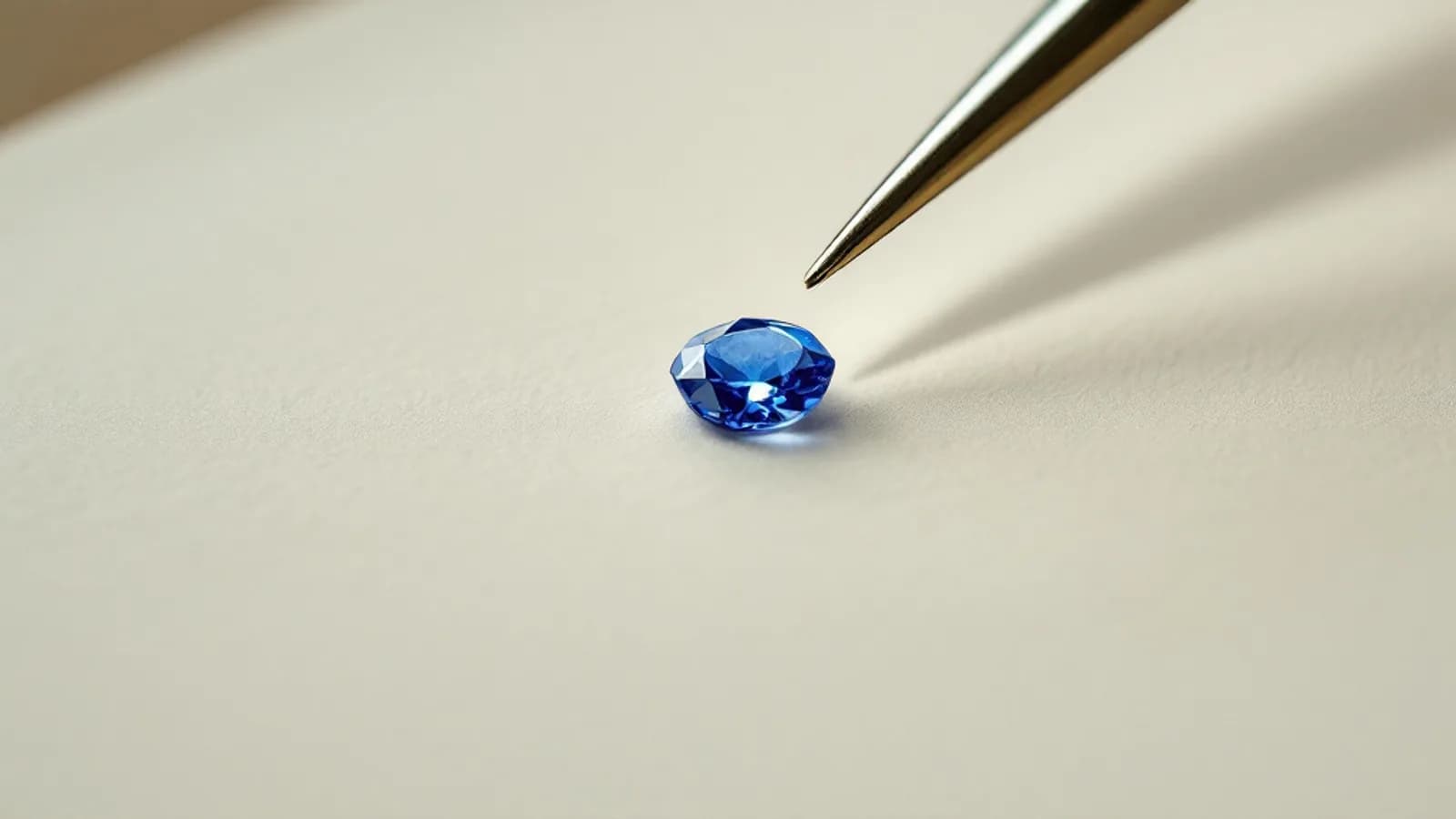
What the paperwork should say, what disclosure looks like and where the risk actually sits — stone by stone.
All guides →Gemstones A–ZPer-stone pages: treatments to expect, certificates that carry weight and the register dealers admitted for each.
Browse stones →OriginsDeposit-by-deposit notes on what origin means for price and how laboratories determine it.
GV Origins →Auction ledgerWhat coloured stones have realised at auction, with the price per carat beside the headline figure and the house record behind both.
Open the ledger →BirthstonesWho set the birthstone list, when each trade body revised it, and how the Indian navaratna assigns gems by graha instead.
Read the record →GlossaryThe vocabulary of the coloured-stone trade, defined the way laboratories and dealers actually use it.
Open the glossary →GV LaboratoriesWho issues gemstone reports, where they work and what each one will put its name to
Open the laboratory reference →GV EquipmentThe makers of lapidary machines, testing instruments and the software the trade cuts with
Open the equipment reference →GV ExperiencesMine tours, dig-your-own gem fields, lapidary courses and collections worth the trip
Find somewhere to visit →Trade deskConfirmed exhibition dates, fair preparation and verification resources.
Exhibition calendar →Market IndexPrice-per-carat ranges by stone, origin, treatment and size — in preparation.
Early access →Latest guides
Gemstone certification, explained: what a laboratory report proves and what it never can
A dealer in Bangkok sends three photographs and a PDF, and the PDF is what you are really being asked to trust.
How to read a lab report
The document that arrives with a serious coloured stone is short, and much of it is of no consequence at all.
How insured shipping of loose stones works
A fine loose stone crosses borders in a parcel the size of a paperback, and it does so safely thousands of times a week.
Kashmir and Azad Kashmir sapphires
What is a classic Kashmir sapphire? One deposit, worked for about six years, a hundred and forty years ago.
Emerald oiling grades, explained
Nearly every emerald reaches the market with surface-reaching fissures, and nearly every one has had those fissures filled.
Ruby origin: Burma and Mozambique
Two names anchor the modern ruby market.