What coloured stones actually trade for.
Gemstone pricing is opaque by habit. The GV Market Index will publish price-per-carat ranges by stone, origin, treatment and size band, computed from disclosed dealer listings in the register and, once auctions run, from paid hammer records. Every figure will carry its sample size and date.
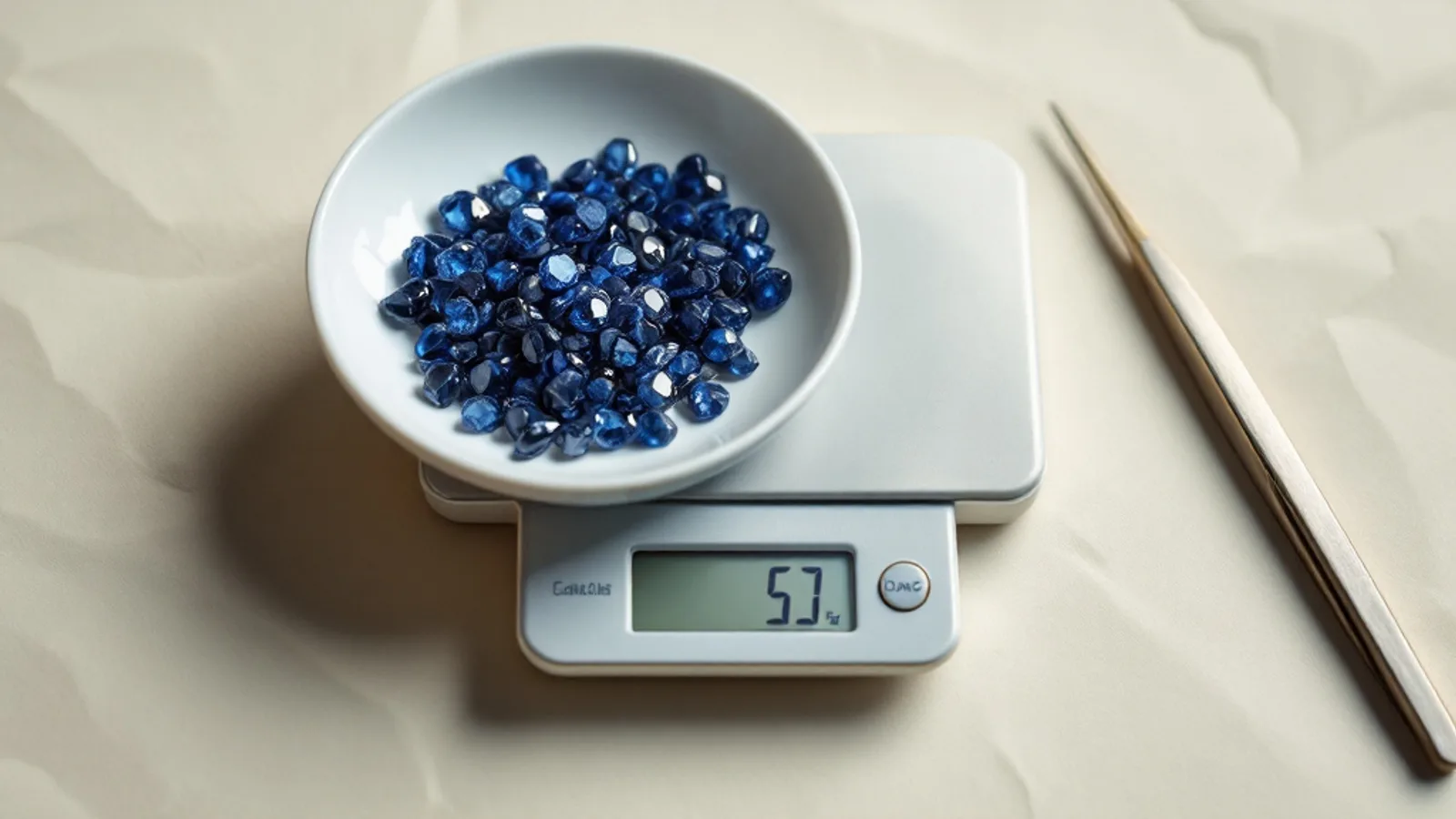
How the index will be built
Disclosed listings only
Only published listings with a stated treatment position, carat weight and shown price enter the sample. Price-on-request listings are excluded.
Paid hammer records
When GV Auctions runs, hammer prices are recorded only when the lot is paid, never on an unpaid or cancelled sale.
Sample size on every figure
Each range is published with its count, date range and the share of laboratory-reported stones. Thin cells are suppressed rather than smoothed.
What it will not be
- 01An appraisal or valuation of any individual stone.
- 02Investment advice. Gemstones are not a regulated investment and we do not present them as one.
- 03An input to the GV Score or to directory ordering.
Early access
Leave an address and we will send the first series when it is published, with the methodology note. Nothing else.
Questions, answered
How much is a sapphire per carat?
It depends on origin, treatment, colour, clarity and size band more than on carat weight alone. The index will publish ranges for each combination with the sample size, rather than one headline number.
Where does the data come from?
Disclosed dealer listings in the GemsVerified register and, once auctions run, paid hammer records. No scraped retail prices and no dealer-supplied estimates.
Can dealers pay to be included or excluded?
No. Inclusion follows the published disclosure rules; payment plays no part.