Ethiopia — guide des revendeurs et des fournisseurs
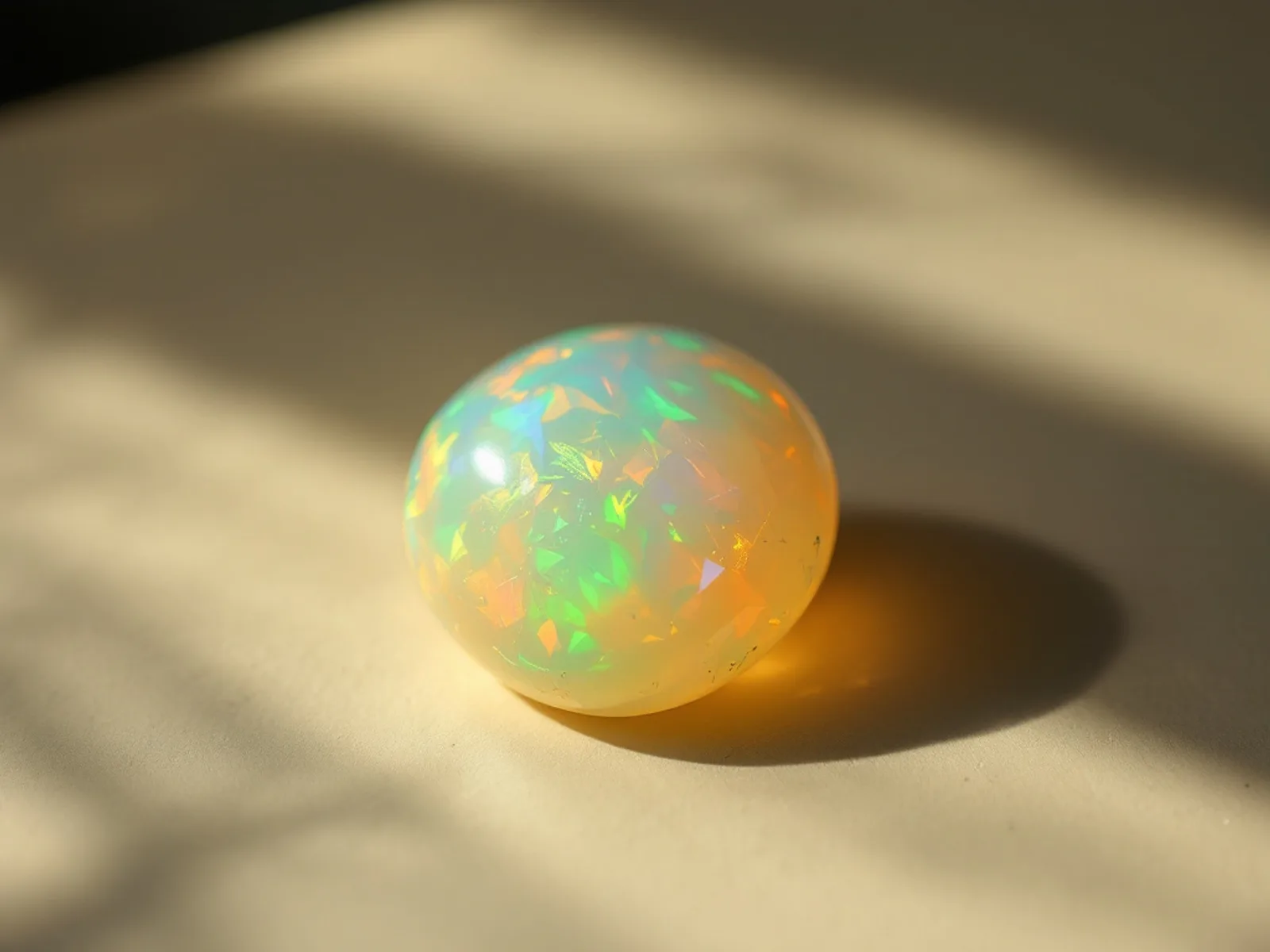
Ethiopia became a major gem origin within living memory. Precious opal turned up in Wollo province in 2008 and changed the opal market permanently, handing a trade that Australia had defined for a century a second major source, and finds of emerald and sapphire since 2016 have taken the country beyond a single stone. Below: the Wollo fields and what hydrophane means for handling, Shakiso emerald, the sapphire from around Aksum, the treatments that follow Ethiopian material around, and what to ask before paying.
Wollo opal
The fields sit at altitude near Wegel Tena, in the Delanta district, where seams run through one layer of volcanic ash rock high in the north-central highlands. Earlier Ethiopian opal, from Mezezo in Shewa from 1994, was chocolate brown and prone to cracking. Wollo is a different animal, and it is what a dealer means today by Ethiopian opal or Welo opal. At its best the material shows vivid pattern in crystal and white body tones, with dark base stones commanding strong prices. Naturally dark material does exist, from the Stayish workings, and it should say so on paper.
Wollo opal is hydrophane. It absorbs water. When it does, the play of colour can fade or go altogether, the body can turn glassy and transparent, and the stone takes a day or two to dry back to where it started. Usually it comes back. Not always, and a stone that has been soaked and dried repeatedly can craze. That is a handling consequence an honest dealer explains rather than hides: keep it away from water and oils, never put it in an ultrasonic, and think hard before setting it in a ring for daily wear.
Addis Ababa is the trading hub. Rough is licensed for export through the capital and graded parcels move from there to cutting centres worldwide, Jaipur first among them, though a growing share is now cut in Ethiopia itself.
Shakiso emerald and Aksum sapphire
The Shakiso district in the south, in Oromia, began producing emerald in quantity in 2016. The stone grew in schist, as Zambian emerald did, and the fine pieces show a saturated, slightly bluish green that stands comparison with older sources. Some come out clean enough to sell with no oil at all, which for emerald is news. Mining is by cooperatives and small licences. Rough goes to Addis, then to Jaipur and Bangkok for cutting.
Blue sapphire from around Aksum in the north, in Tigray, entered the market soon after, in 2016 and 2017, and it entered in volume. Much of it is dark. Much of it is unheated. A portion is a fine open blue that has surprised people. The unheated share matters for pricing: "no indication of heating" on an Ethiopian sapphire report is a common thing to read, not a rarity, and the premium should be sized accordingly.
Treatments and disclosure
Hydrophane opal takes dye and smoke treatment readily. Smoke, from burning paper or a sugar solution, darkens the body so that a white stone passes as black opal. Dye turns it pink, purple or blue, colours the seams do not produce. Treated dark material has circulated widely since about 2011 and still does. Written disclosure and, on any significant stone, a laboratory report are the practical safeguards; GIA and the other major houses identify smoke treatment under magnification and will say so. If a dark Ethiopian opal is cheap, it was smoked until a report says otherwise.
Emerald follows the usual oiling conventions. The report states none, minor, moderate or significant clarity enhancement and names oil or resin where it can tell. Sapphire should carry an explicit heat declaration, and on Ethiopian material there is every reason to ask for it, since so much genuinely unheated stone exists to compare against.
Buying Ethiopian stones
The trade in Addis Ababa spans everything from careful exporters to informal dealing, and verification exists to make that difference visible. Compare declared treatments closely on opal in particular. Ask whether a white opal has been stabilised, because some material is resin impregnated and that changes both the care instructions and the price. Ask how the stone has been stored; a hydrophane opal that arrives wet is telling you something.
On emerald and sapphire, GIA, Gübelin, SSEF and GRS now issue Ethiopia as an origin opinion, based on inclusions and trace element chemistry, and for a stone whose price depends on where it came from that opinion is the thing to have. It is an opinion drawn from evidence. Nobody has a certificate from the mine.
Buying through the register
The dealers listed on this page have had legitimacy, certification practice and disclosure checked. Ask for the laboratory report, have the treatment confirmed in writing, and use the declared treatments on each listing as your point of comparison before you make contact.
GemsVerified verifies dealers, not individual stones. The report from an independent laboratory tells you what the stone is.
Concessionnaires inscrits au registre
Afficher tous les éléments du répertoire →
Questions et réponses
What stones come from Ethiopia?
Wollo opal leads by a distance, mined near Wegel Tena since 2008. Emerald from the Shakiso district in the south has been coming out in quantity since 2016, and blue sapphire from around Aksum in Tigray followed soon after, much of it unheated. See the verified dealer grid on this page for what is available now.
Why does hydrophane opal need care?
Because it absorbs water. A wet Wollo opal can lose its play of colour or turn transparent for a day or two, and repeated soaking and drying can craze it. It also takes dye and smoke readily. Keep it out of water, oils and ultrasonic cleaners, and buy it with written treatment disclosure.
Is Ethiopian opal treated?
A lot of the dark material is. Smoke treatment darkens the body so a white opal passes as black; dye adds pink, purple or blue. Some white opal is resin stabilised. Natural dark opal from Wollo exists, so the claim is plausible, but on any significant stone it should rest on an independent laboratory report, not the seller's word.
How good is Ethiopian emerald?
Fine Shakiso stones show a saturated, slightly bluish green that compares with Zambian material, and a share are clean enough to sell with no oil. The bulk is commercial. Laboratories state clarity enhancement as none, minor, moderate or significant, and several now offer Ethiopia as an origin opinion, which is what a premium should rest on.
Is Ethiopian sapphire heated?
Much of the Aksum production is sold unheated, and "no indication of heating" is common on reports for it. Some is heated to lighten dark stones. Ask for the heat declaration in writing and, above a carat or two, for a laboratory report; unheated is a positive claim and it should be tested, not assumed.