Vietnam — guia de revendedores e fornecedores
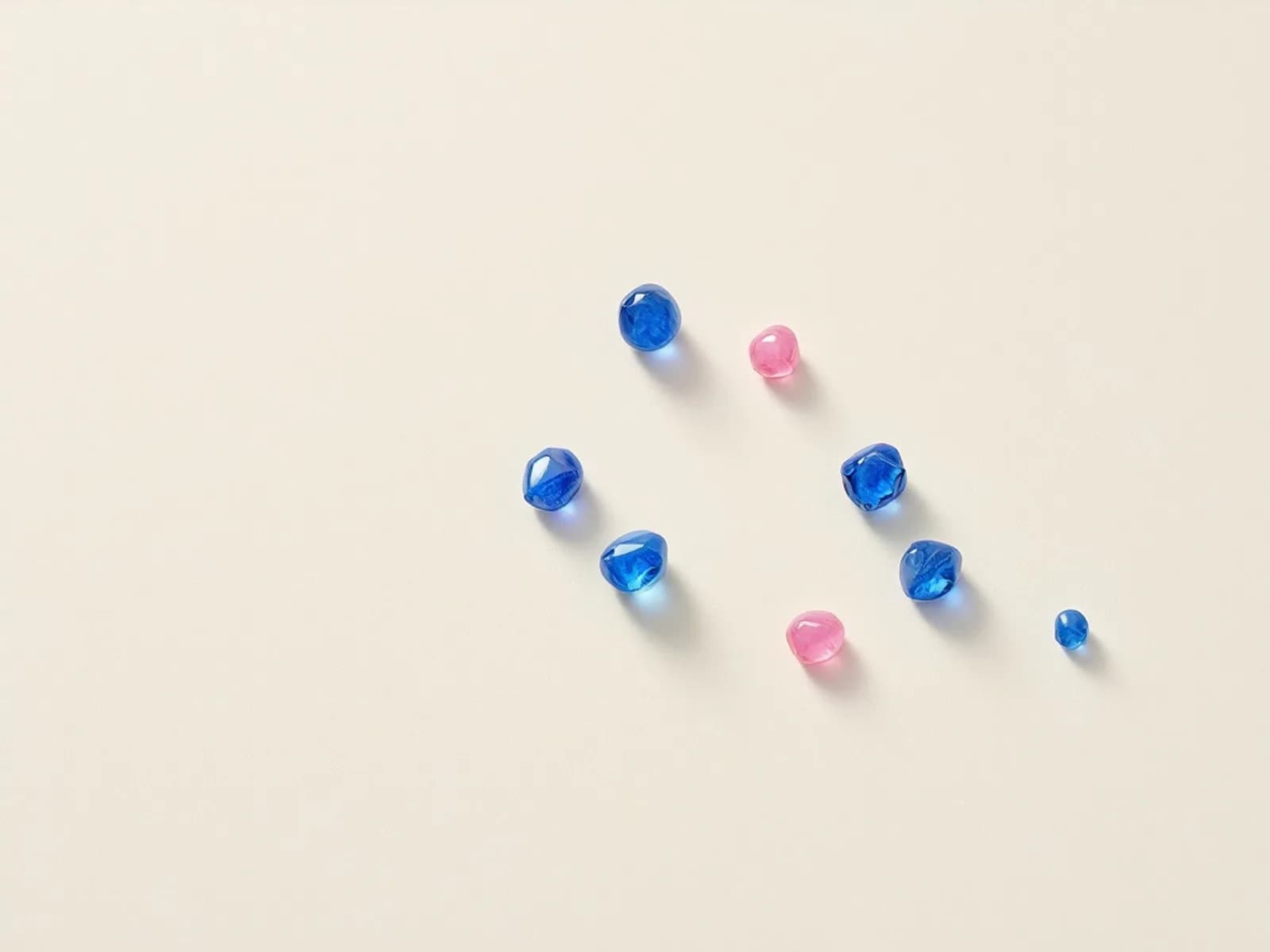
Vietnam entered the first rank of gem origins with the discovery of spinel and ruby around Luc Yen in Yen Bai province in the late 1980s. Three decades on, the district is the source of some of the finest spinel in the trade, including a cobalt blue that exists nowhere else in that form, and its morning stone market remains one of the most direct routes from mine to buyer anywhere in the gem world. Below: Luc Yen and its spinel, the ruby from Luc Yen and Quy Chau, how the market works from the ground to Hanoi, treatments, laboratory origin, and buying notes.
Luc Yen and Yen Bai
The marble hosted deposits north west of Hanoi were opened for ruby in 1987 and gave spinel almost at once, from the same rocks. The spinel comes in an unusual range: vivid reds and pinks, violet blues, lavender, and the cobalt bearing blue spinel from the Cong Troi area of An Phu commune that has become one of the most expensive spinels on the market. Cobalt spinel is small. A clean 1 ct stone is a serious purchase and 2 ct clean is rare, which is part of the price. The colour is a saturated blue with a glow to it that ordinary iron coloured blue spinel does not have; laboratories confirm it by measuring cobalt in the chemistry rather than by eye.
Ruby from the same marbles can approach Burmese character, and it should, since the geology is much the same: low iron, strong fluorescence, calcite inclusions. Fine unheated Luc Yen ruby exists and fetches a premium. Most of the district's ruby is heavily included and cut as cabochon or star. Luc Yen also produces pink and blue sapphire, tourmaline, and humite group collector stones, and the town has a cottage industry making pictures out of gem gravel, which tells you how much low grade there is. Quy Chau in Nghe An province, found in 1990, adds a second ruby source further south with a similar range and its own share of star material.
The market, from the ground to Hanoi
Rough and cut stones trade at the open morning market in Luc Yen town, where sellers sit at low tables from about six and pack up by mid-morning; through dealers in Yen Bai; and onward through Hanoi exporters, some of them with shops in the old quarter, and from Hanoi to Bangkok and Chanthaburi. Prices at source reward knowledge and punish haste. A stone that looks a bargain on a table in Luc Yen at seven in the morning has usually been looked at by twenty people who knew more, and the reason it is still there is not always obvious in daylight. Established houses with mine relationships matter more here than in centralised markets, because they see the parcels before the table does.
Treatments and disclosure
Spinel is not routinely treated, and that is one of its strongest selling points. Cobalt blue stones should nonetheless be tested, since synthetic cobalt spinel and cobalt diffused natural spinel both circulate and both are blue for the same reason. Diffusion leaves a colour concentration at the surface that a laboratory finds; a report that reads natural spinel, no indications of treatment, with cobalt noted as the cause of colour, is what a cobalt spinel premium should rest on. Heating of spinel is rare but not unknown, and the major houses can pick it up by spectroscopy.
Vietnamese ruby follows the standard heat conventions. Heated is normal and declared. Unheated is a positive claim on a report. Any glass filling demands explicit declaration as composite ruby, and Vietnamese rough was among the material that fed the lead glass trade in Bangkok in the 2000s, so on a cheap transparent Vietnamese ruby the question is not whether to ask but how firmly.
Laboratory origin
Gübelin, SSEF, GRS, AIGS and Lotus all issue Vietnam as an origin opinion for spinel, and the same houses and GIA do so for ruby, drawn from inclusions and trace element chemistry. For spinel the call between Vietnam, Burma, Sri Lanka and Tanzania rests on chemistry more than on anything under the microscope, and it is an opinion. For ruby, telling Luc Yen from Mogok is one of the harder jobs a laboratory has, because both grew in marble; the report will still say Vietnam or Burma, and the price difference is large enough that you want it said by an independent house rather than by the seller.
Buying Vietnamese stones
For cobalt spinel and fine ruby, ask for a laboratory report naming both species and origin, and for cobalt spinel one that mentions the cause of colour. For the wider range of spinel and sapphire, the declared treatment on each listing is the comparison point. Ask where the dealer bought the stone and from whom. Ask, on any ruby, whether it is glass filled. And be a little sceptical of "Burma-like" as a description, since it is doing a lot of work.
Buying through the register
The dealers listed on this page have had legitimacy, certification practice and disclosure checked. Ask for the laboratory report, have the treatment confirmed in writing, and put the report wording next to the invoice before you pay.
GemsVerified verifies dealers, not individual stones. The report from an independent laboratory tells you what the stone is.
Revendedores inscritos no registo
Ver tudo no diretório →
Perguntas e respostas
What stones come from Vietnam?
Spinel from Luc Yen in red, pink, violet, lavender and cobalt blue; ruby from Luc Yen and from Quy Chau in Nghe An; pink and blue sapphire and tourmaline alongside, plus humite group collector stones. Hanoi is the export point. See the verified dealers on this page for current availability.
Is Vietnamese spinel treated?
Spinel is not routinely treated, which is much of its appeal. Cobalt blue stones should still be laboratory tested, since synthetic cobalt spinel and cobalt diffused natural spinel both circulate. Some material is heated. A report from an independent laboratory stating natural spinel, no indications of treatment, and origin is what a premium should rest on.
What is cobalt spinel and why is it so expensive?
Blue spinel coloured by cobalt, from the Cong Troi area near Luc Yen, with a saturated glowing blue that iron coloured spinel does not show. Clean stones above 1 ct are scarce and above 2 ct rare, and demand from collectors has risen sharply. Laboratories confirm the cobalt in the chemistry; the eye alone is not enough.
How can I tell if a ruby is from Vietnam?
You cannot by eye. Luc Yen and Quy Chau ruby grew in marble, as Burmese ruby did, so the two look alike and share inclusions. GIA, Gübelin, SSEF, GRS, AIGS and Lotus give Vietnam as an origin opinion on ruby from inclusions and chemistry, and the price gap makes it worth having that opinion from an independent laboratory rather than the seller.
Is Vietnamese ruby glass filled?
Some is. Heavily fractured rough from Luc Yen and Quy Chau fed the lead glass filling trade in Bangkok in the 2000s, and composite stones still circulate. Glass filled ruby must be declared as such and is damaged by heat and jeweller's acids. On any cheap transparent Vietnamese ruby ask directly, and get a report.