Verified Tourmaline dealers & buying guide
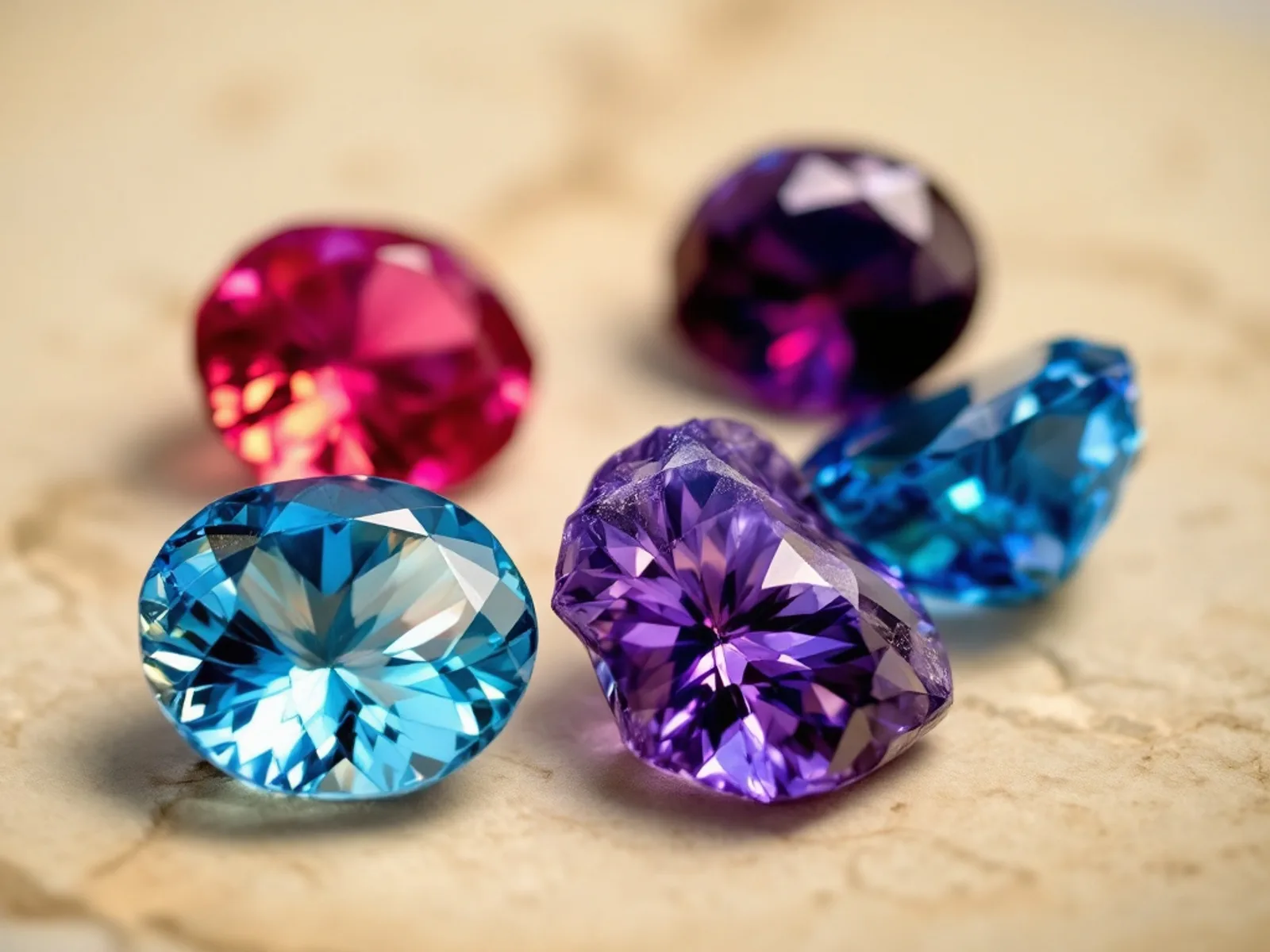
Tourmaline comes in more colours than any other gem family. The range runs from the copper-bearing neon blues called Paraiba, through red rubellite and blue indicolite, to watermelon slices sold by the gram. Most of it is cheap and lightly treated. Paraiba is not, and its price rests on chemistry and source that only a laboratory can confirm. This page covers Brazil against Mozambique and Nigeria, rubellite and indicolite, how heat and irradiation are used and disclosed, and what to ask.
Paraiba, rubellite, indicolite
Tourmaline is a complex boron silicate. The species elbaite gives most of the gem colours, with iron, manganese and copper doing the work. Paraiba turned up in Brazil's state of Paraíba in 1989, at the Batalha mine near São José da Batalha. It is elbaite carrying copper and manganese, in electric blue, turquoise and green, with a glow nothing else in the family shows. The name is now a matter of chemistry rather than geography. Under the LMHC's harmonised wording, laboratories call any copper-bearing elbaite of blue to green colour "Paraiba tourmaline", whatever its source. They add a country where they can determine one. Plenty of dealers still keep "Paraiba" for Brazilian stones and call the rest "cuprian" or "Paraiba-type". Ask which meaning is on the table before you discuss price.
Rubellite is red to pinkish red, from manganese, and the trade uses the word for stones that stay red under a lamp rather than going brown. Indicolite is iron blue, greenish blue to deep blue and much darker than Paraiba. Chrome tourmaline is a vivid green from chromium and vanadium, almost all of it Tanzanian. Green, pink, bicolour and cat's-eye stones fill out the rest of the family; dark verdelite and brownish dravite are the cheap end.
Brazil, Nigeria, Mozambique
Brazil gave the first stones, from Batalha, Mulungu and Quintos, spanning Paraíba and Rio Grande do Norte. Output is now tiny and the stones mostly under 3 ct. Nigeria's copper-bearing tourmaline appeared around 2001, generally lighter in colour. Mozambique followed in 2005 with the Mavuco deposit. It gave larger, cleaner stones, a few as fine as anything Brazilian and many paler. Brazil carries a clear premium for the same colour, and buyers pay it. Laboratories separate the three sources by trace elements, though some stones come back "undetermined". Gübelin, SSEF, GIA, AIGS and GRS all report Paraiba origin.
Rubellite comes from Minas Gerais in Brazil, Nigeria, Mozambique and Madagascar. Indicolite from Brazil, Namibia, Nigeria and Afghanistan. Chrome tourmaline is East African. Outside Paraiba, source adds little to price.
Heat and irradiation
Tourmaline is heated at low to moderate temperature to lighten dark stones and take out unwanted tints. Most Paraiba is heated to bring out the blue, above all where the rough is greenish or purplish. Heat is hard for laboratories to detect in copper-bearing tourmaline. Reports say "no indications of heating" where the evidence supports it. Otherwise they say "heated", or note that the variety is commonly heated. Unheated stones of fine colour carry a premium. Irradiation deepens pink and red and turns pale stones into rubellite colour. It is stable in most cases but not always detectable. A laboratory may note that it cannot be excluded. Neither treatment is disclosed by every seller. Fracture filling occurs in included pink and red material, and coated stones surface now and then.
Price, and what to ask
For Paraiba the order is saturation, hue, source, size. A vivid 2 ct Brazilian stone can outprice a far larger pale Mozambique one. Clarity is expected in the blues, and tolerated in the rarest colours. Rubellite is priced on how red it stays in every light, and on clarity. Red tourmaline is often heavily included. Indicolite is priced on how open and bright the blue is, since dark stones are common. Cutting matters across the family. Tourmaline is strongly pleochroic. A stone oriented the wrong way looks nearly black down its length.
Ask whether "Paraiba" means copper-bearing or Brazilian. Ask what source and what copper content the laboratory reports, and whether the stone is heated. The recurring false claims are indicolite or apatite sold as Paraiba, Mozambique stones sold as Brazilian, "Paraiba colour" used for iron-blue material, and irradiated pink sold as natural rubellite with no report.
Buying through the register
Every dealer on this page has been checked by GemsVerified for legitimacy, certification practice and disclosure. Each works with recognised laboratories and states source, chemistry and treatment plainly.
Ask for the report, get treatment and origin in writing, and match the report to the stone. GemsVerified verifies dealers, not individual stones; the report is your evidence for what you are buying.
Dealers on the register
View all in directory →









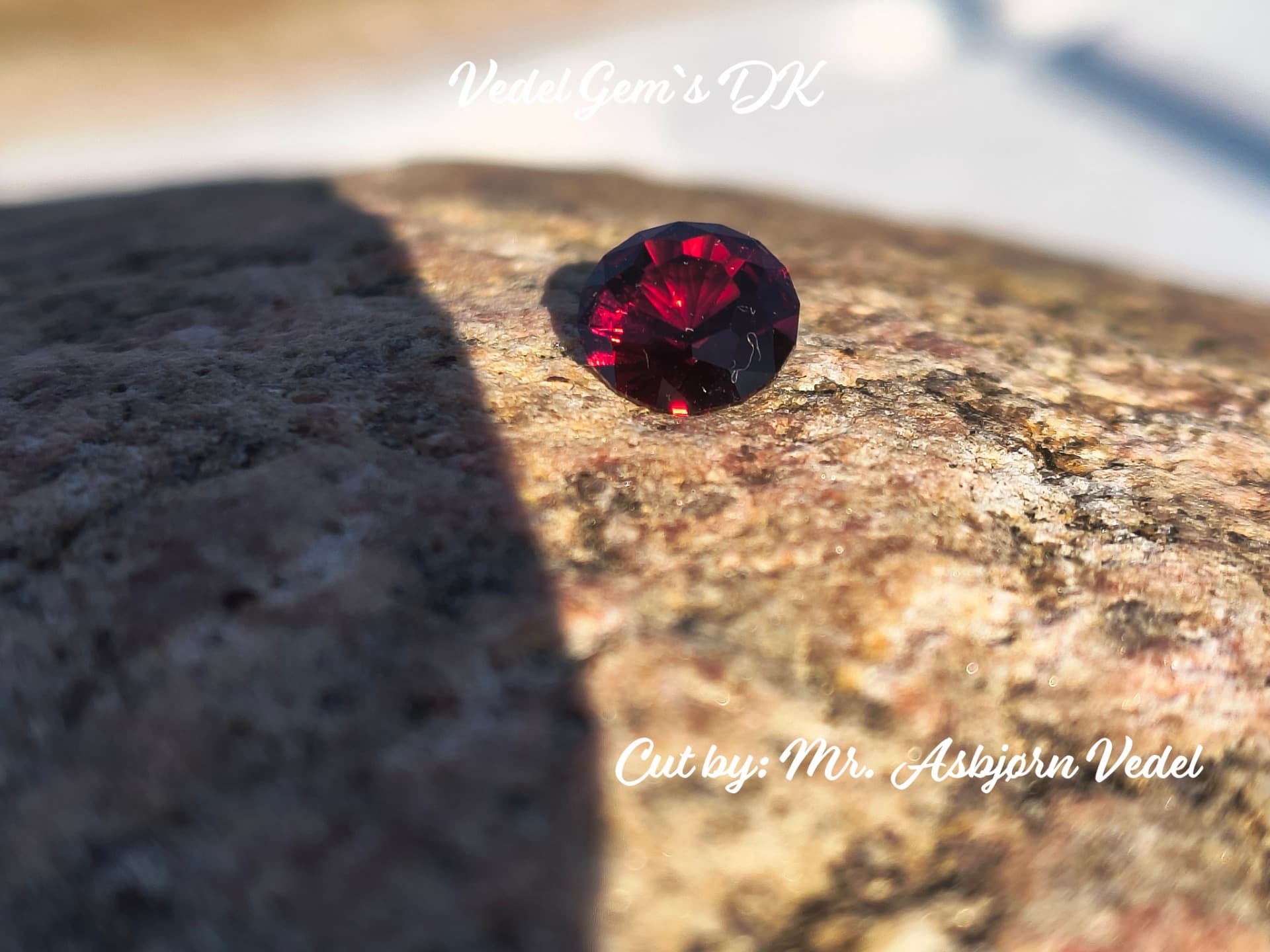

Tourmaline by origin
Questions, answered
What makes a tourmaline Paraiba?
Under the harmonised laboratory definition, Paraiba tourmaline is copper-bearing elbaite in blue to green colours, from any origin. The name comes from Paraíba in Brazil, where it was first found in 1989. Some dealers keep the word for Brazilian stones only, so ask which meaning is intended and check the report for copper content and origin.
Is Mozambique Paraiba real Paraiba?
Yes, under the definition most laboratories use: copper-bearing tourmaline from Mozambique is reported as Paraiba tourmaline with Mozambique as origin. Brazilian stones fetch a premium for equal colour. Origin is a laboratory opinion drawn from trace-element chemistry, so ask for it on an independent report rather than taking the seller's word.
Is Paraiba tourmaline heated?
A great deal of it, at moderate temperature, to bring out the blue and remove purple or green tints. Heat is hard to detect in copper-bearing tourmaline. Reports read "no indications of heating" for stones where the evidence supports it, and note heating where it is evident. Unheated Paraiba of fine colour carries a premium and needs a laboratory report.
What is rubellite?
Red to pinkish red tourmaline coloured by manganese. The trade reserves the term for stones that stay red under incandescent light instead of turning brownish. Red tourmaline is often included, so clean stones cost more. Some pink tourmaline is irradiated to deepen the colour, and that is not always disclosed.
What is the difference between indicolite and Paraiba?
Indicolite is blue tourmaline coloured by iron, usually a greenish blue to deep blue and much darker than Paraiba. Paraiba is coloured by copper and shows a bright neon glow. Chemistry separates them. Iron-blue tourmaline is sometimes sold as "Paraiba colour", so ask for the report to state whether copper is present.