宝石与半宝石
宝石与半宝石之分源自十九世纪的零售业,而非宝石学,业界一个世纪以来一直在摒弃这一说法。以下是本名录收录的品种:它们是什么、哪些处理必须披露、哪些鉴定报告具有分量,以及由谁经销。
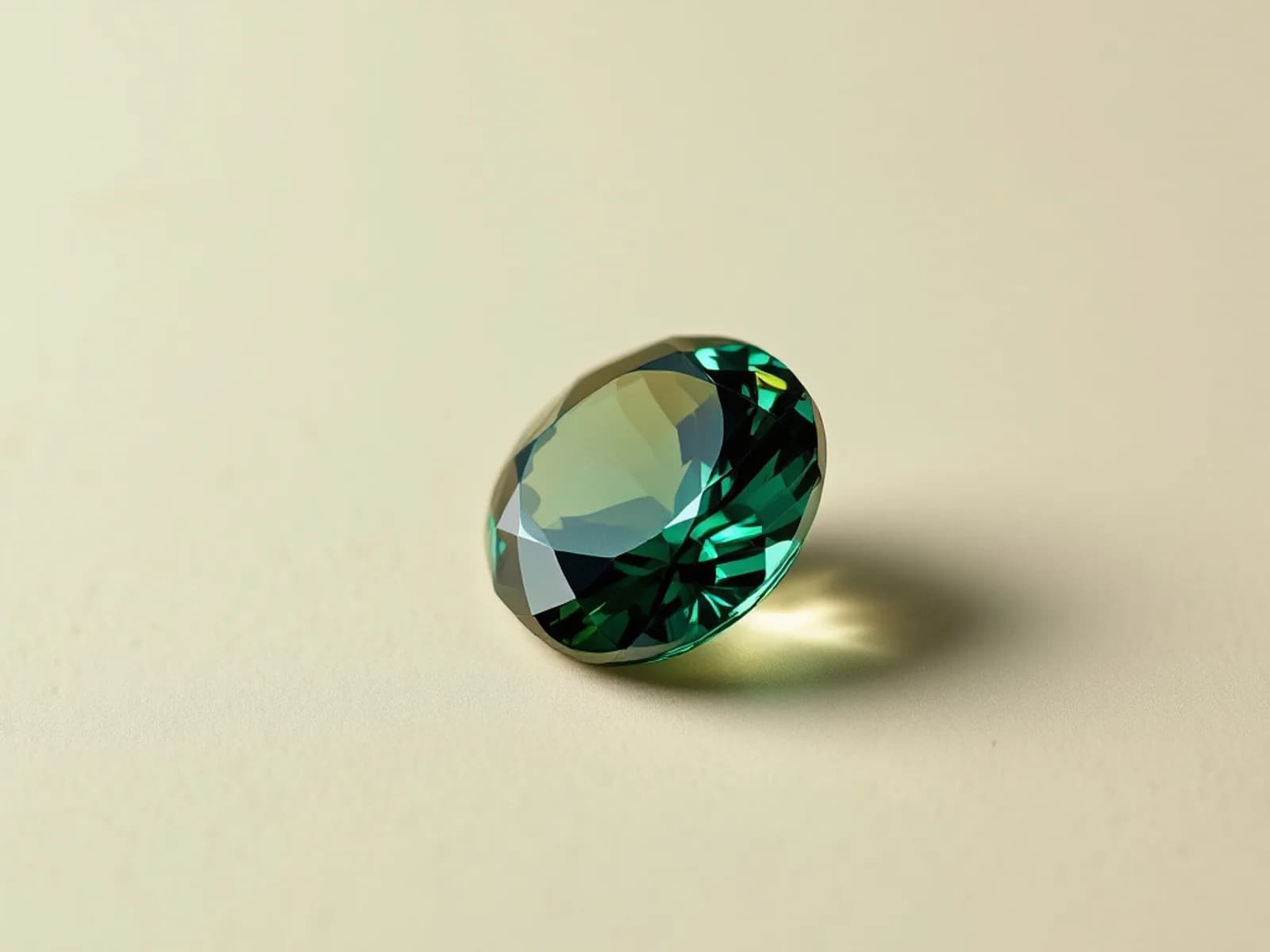 Alexandrite
Alexandrite is the colour-change variety of chrysoberyl: green to bluish-green in daylight, red to purplish-red under incandescent light.
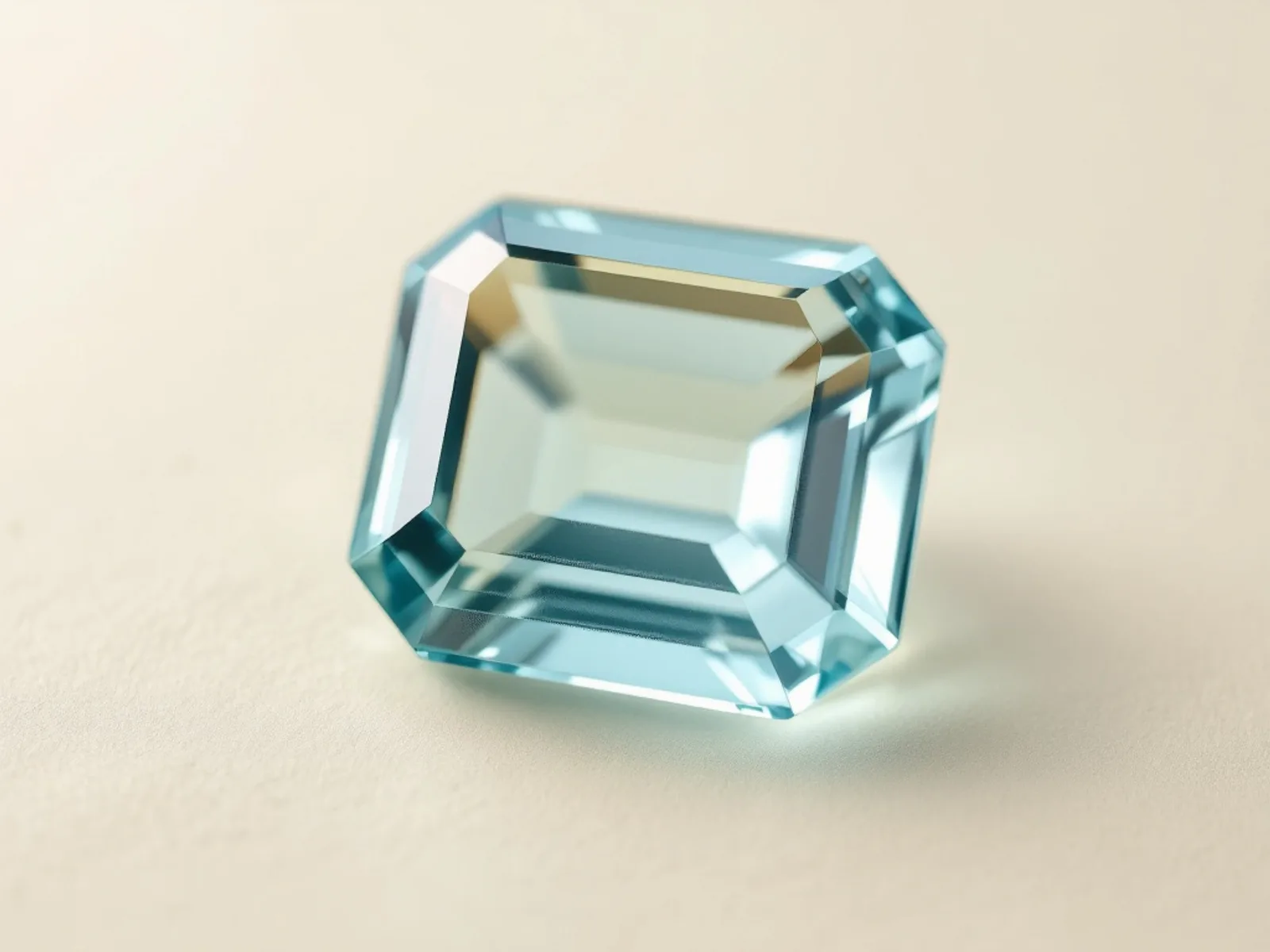 Aquamarine
Aquamarine is blue beryl, cousin to emerald and morganite, and it is heated as a matter of course.
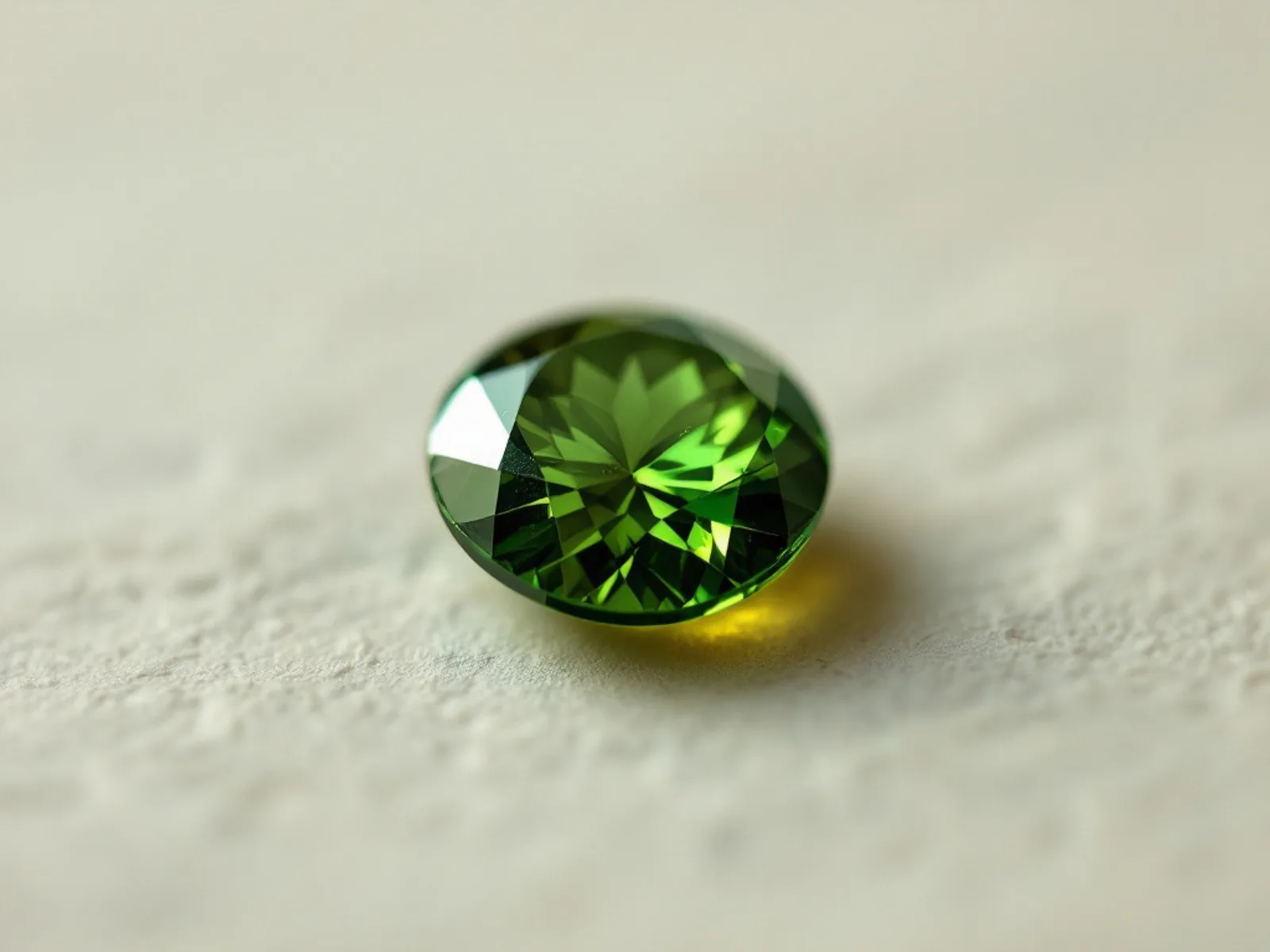 Demantoid
Demantoid is the green variety of andradite garnet.
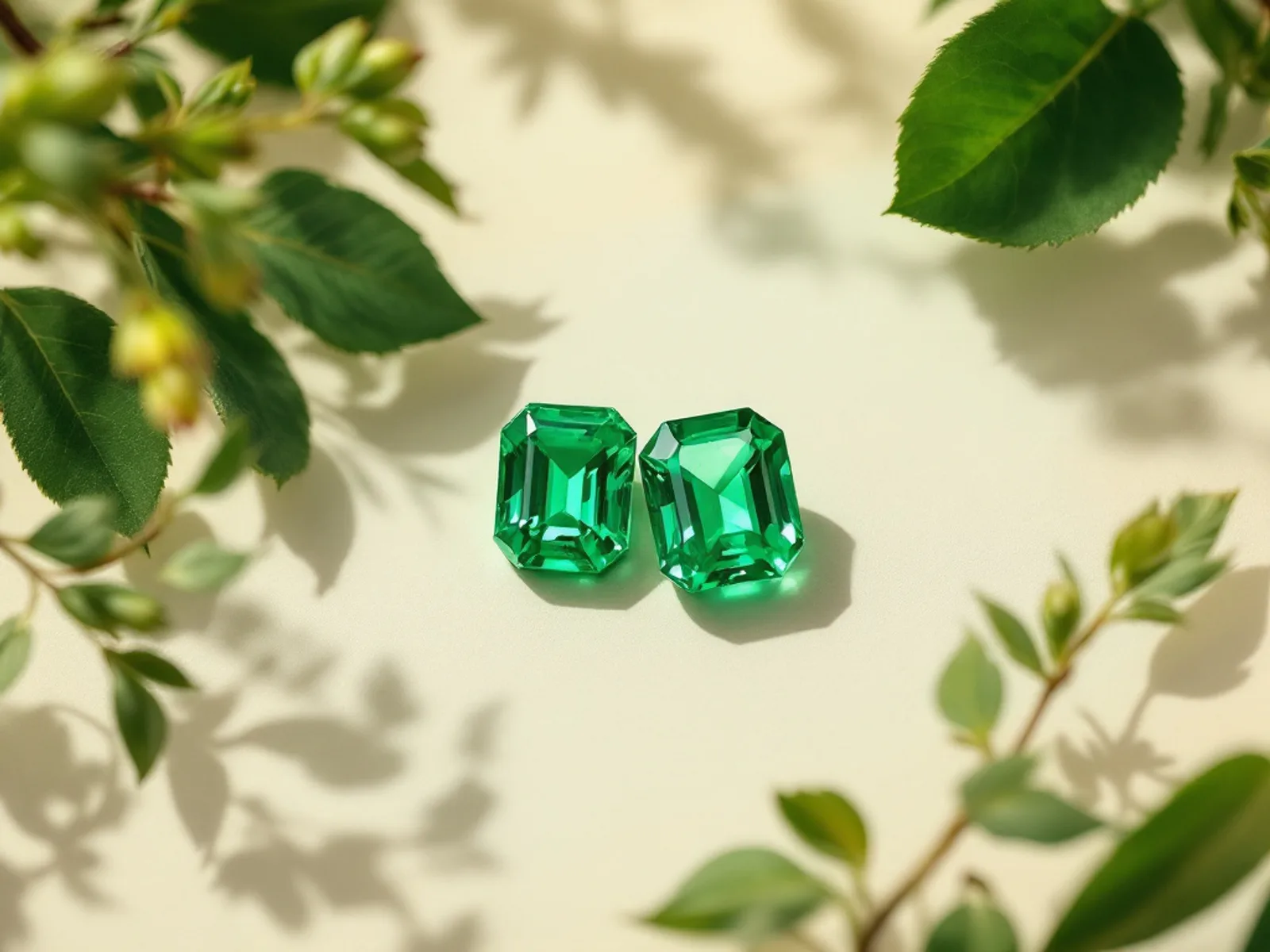 Emerald
Emerald is green beryl, coloured by chromium, vanadium or both, and nearly every one sold has had oil or resin run into its fractures.
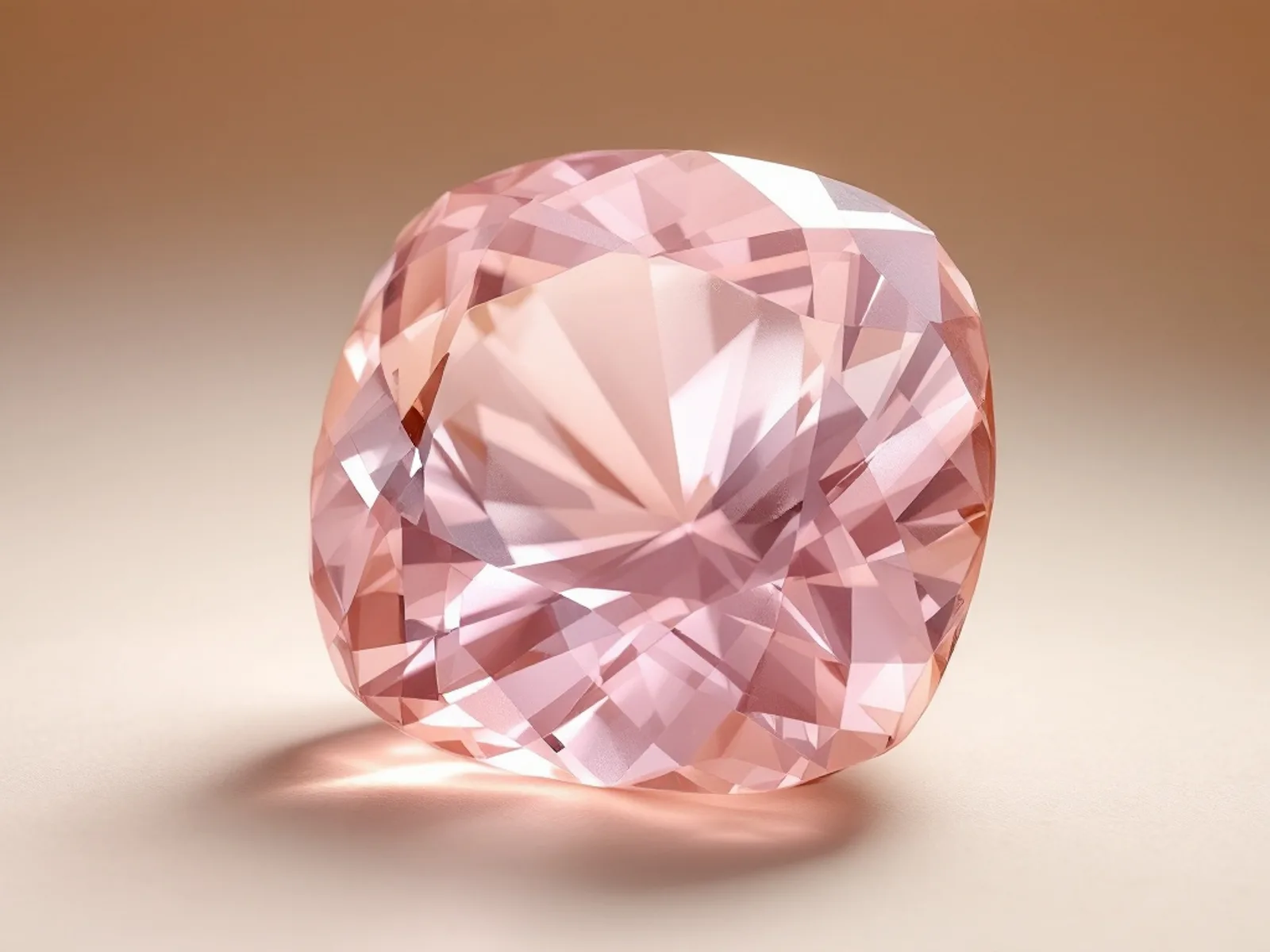 Kunzite
Kunzite is the pink to violet variety of spodumene, a lithium aluminium silicate, named for the gemmologist George Frederick Kunz after he described the first Californian crystals in 1902.
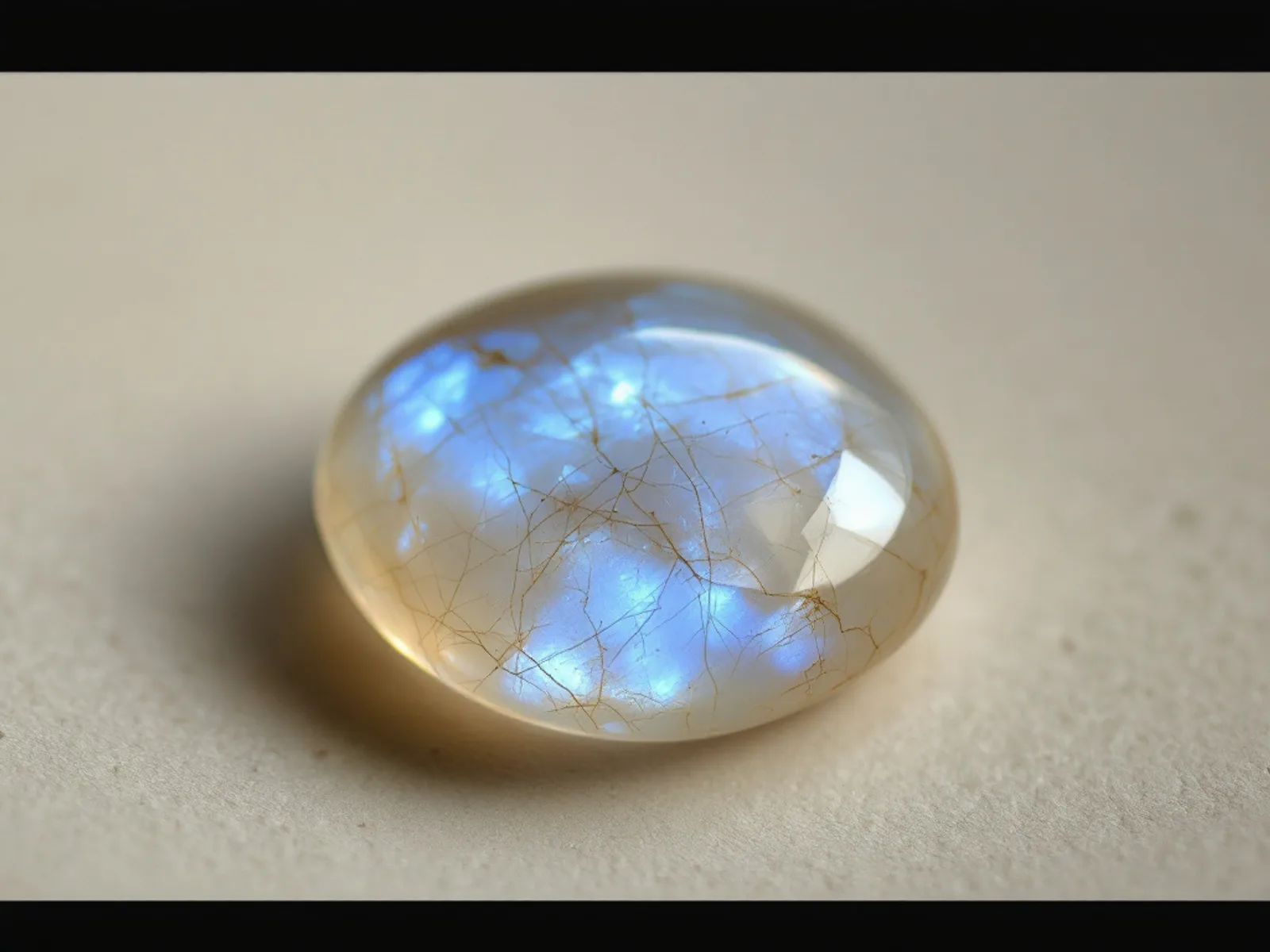 Moonstone
Moonstone is graded on its sheen before anything else.
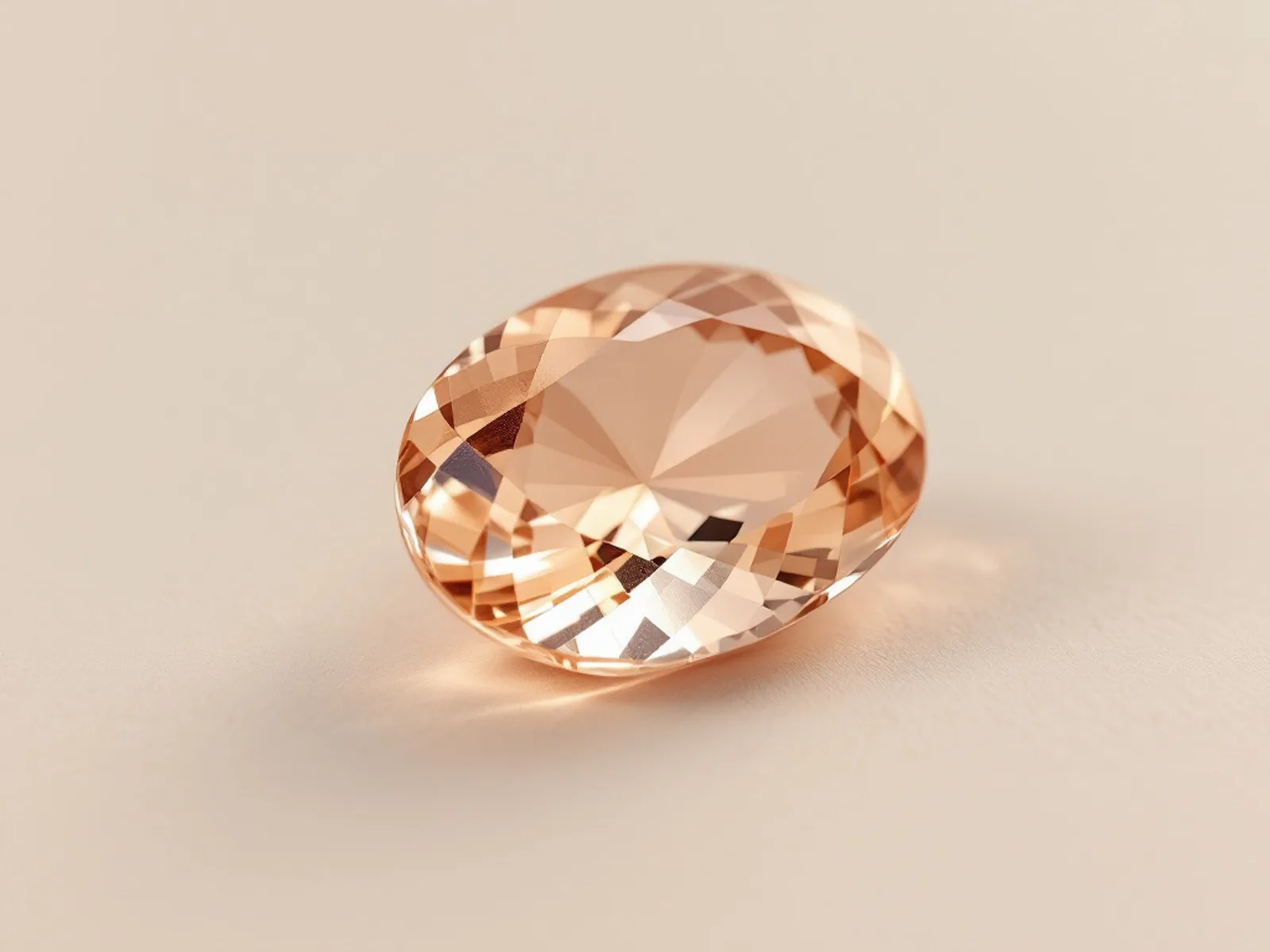 Morganite
Morganite is the pink to peach beryl, the same mineral as emerald and aquamarine, coloured by manganese rather than by chromium or iron.
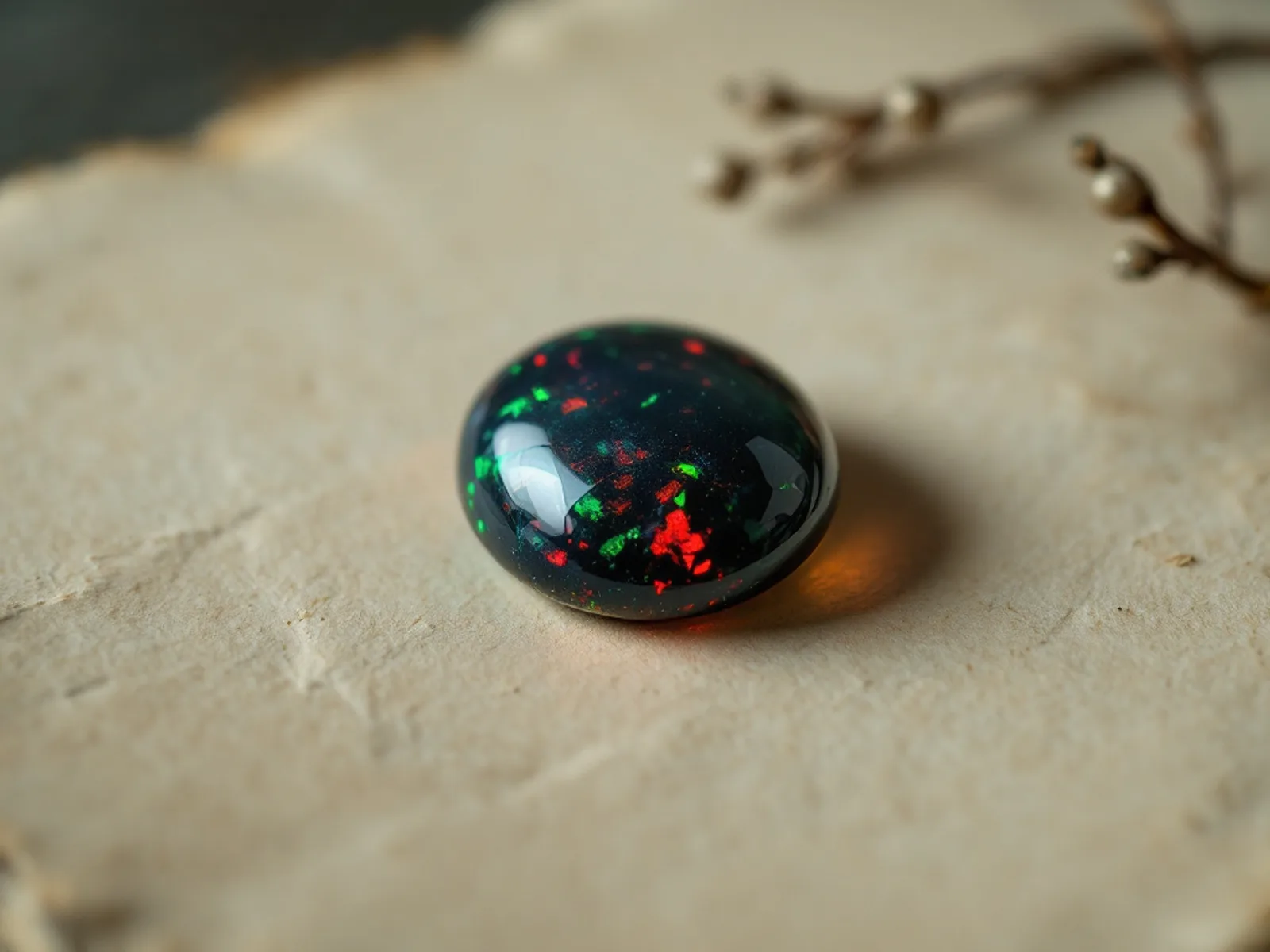 Opal
OpalOpal is priced on play-of-colour, the flashes of spectral colour that travel across the stone as it moves.
 Peridot
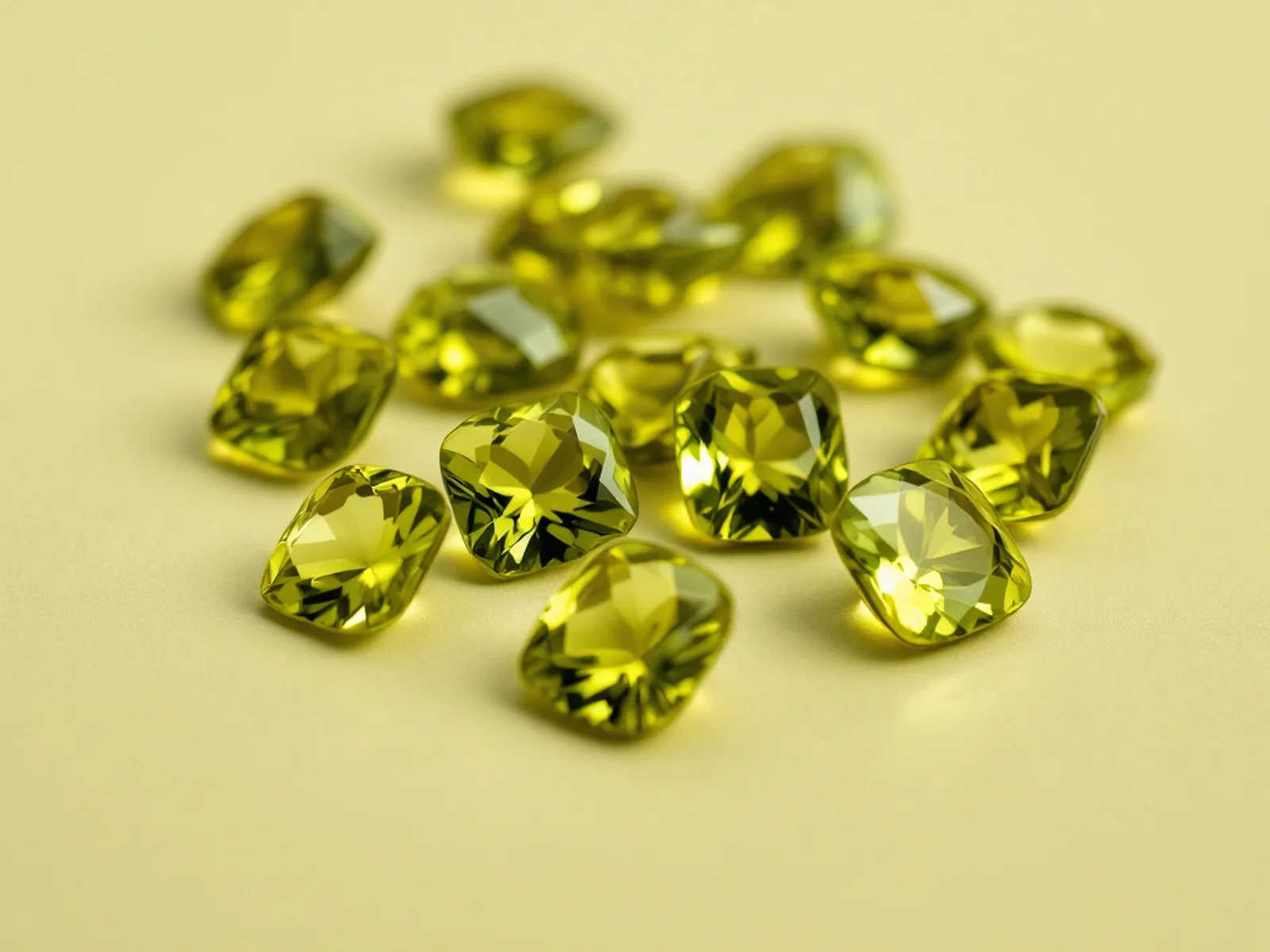
Peridot is gem olivine, and the iron that colours it green is part of the mineral rather than an impurity that can be put in or taken out.
 Ruby
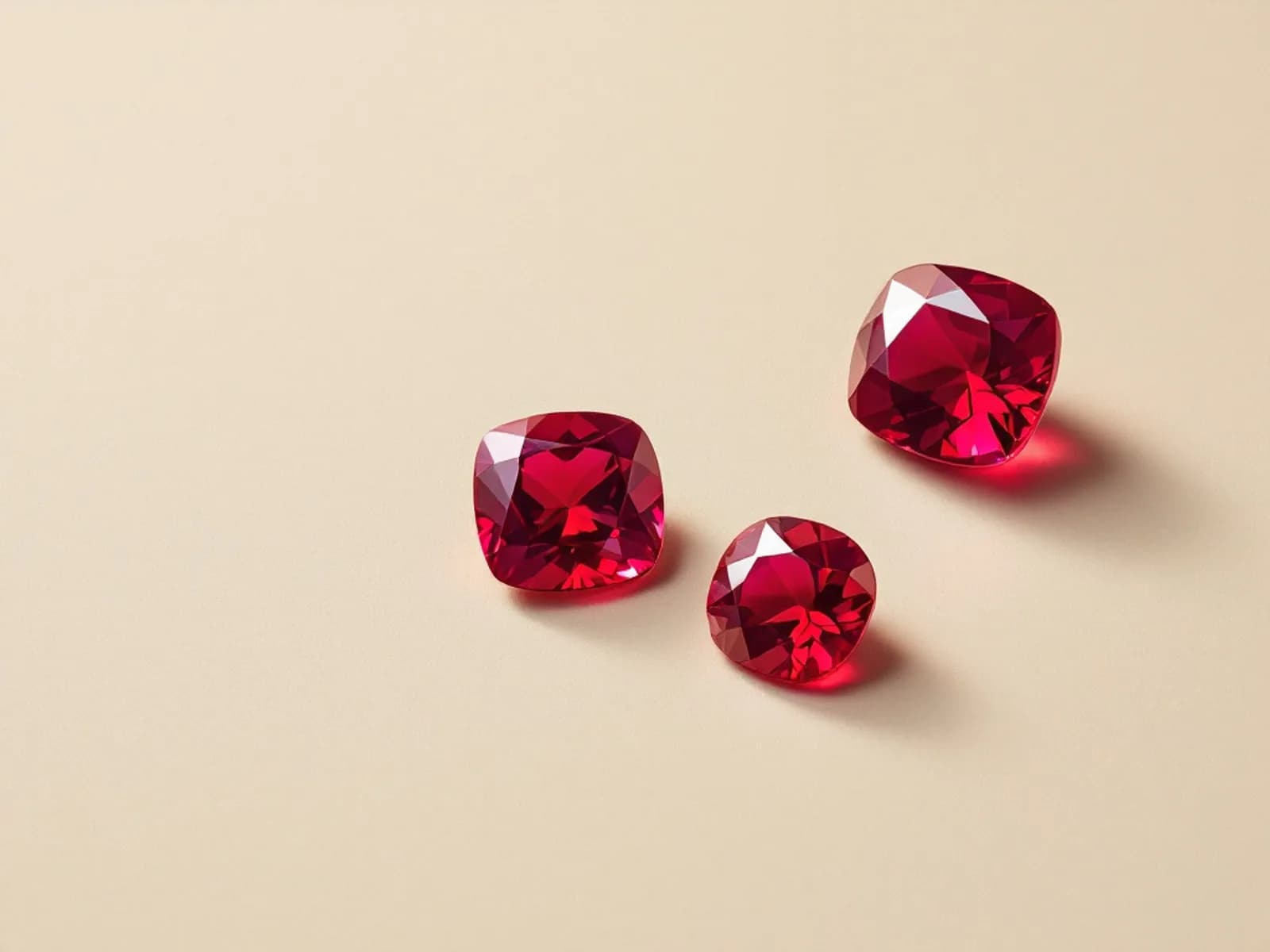
RubyRuby is red corundum, coloured by chromium, and at the top end it is the most expensive coloured stone per carat that changes hands.
 Sapphire
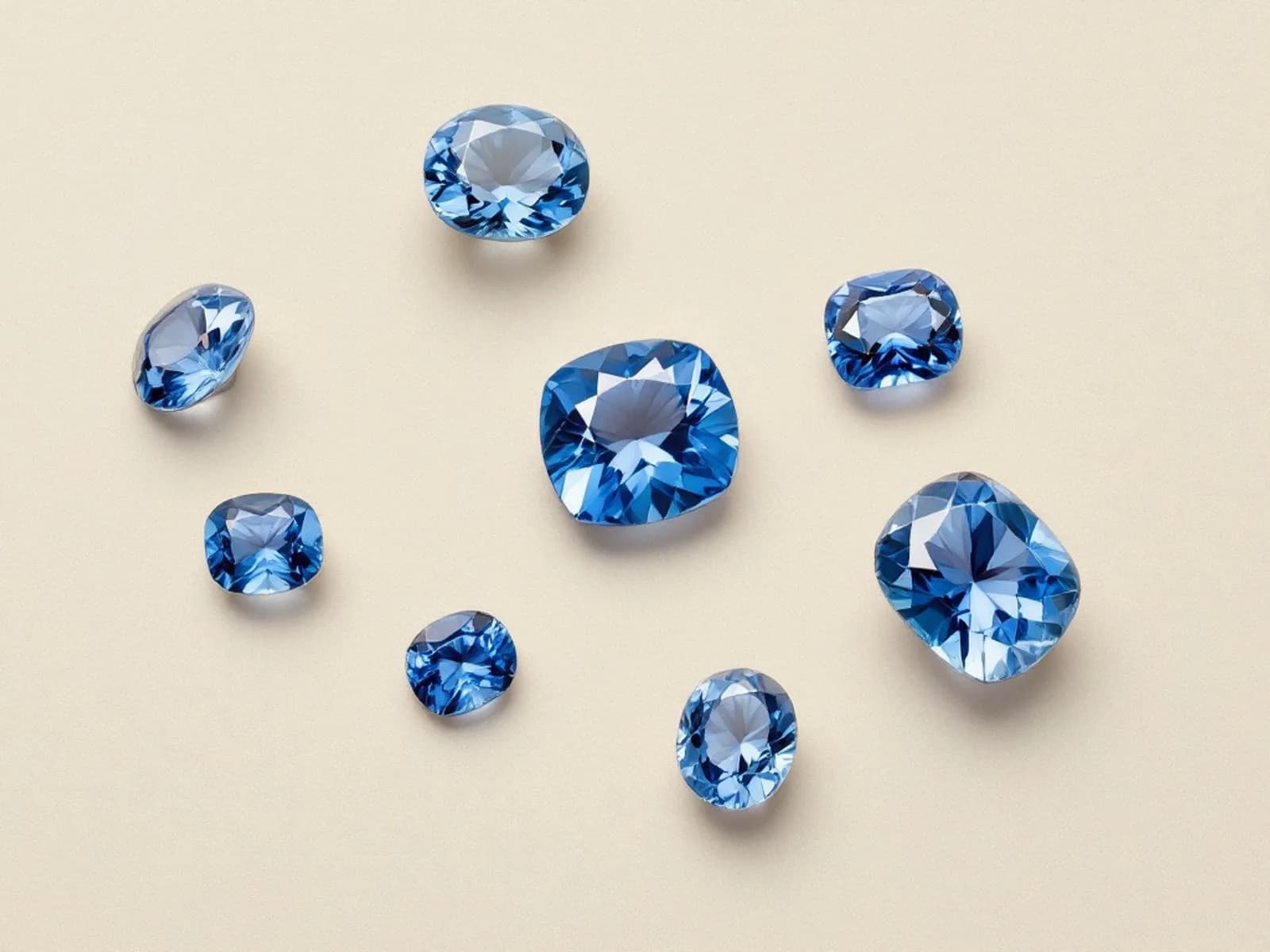
Sapphire is corundum in every colour except red, and red is ruby.
 Spessartite
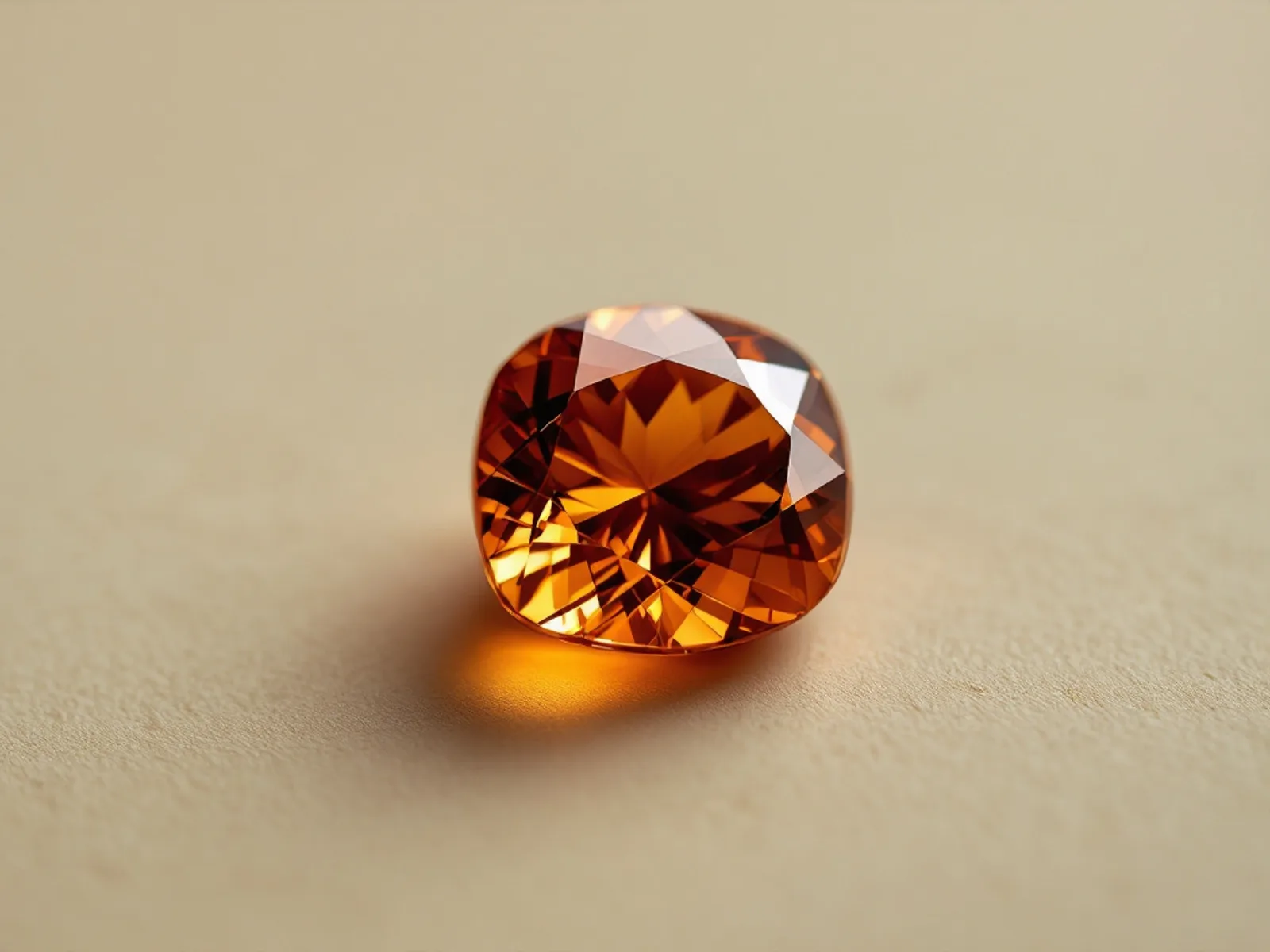
Spessartite is the manganese garnet, and its orange has no equal among untreated gems.
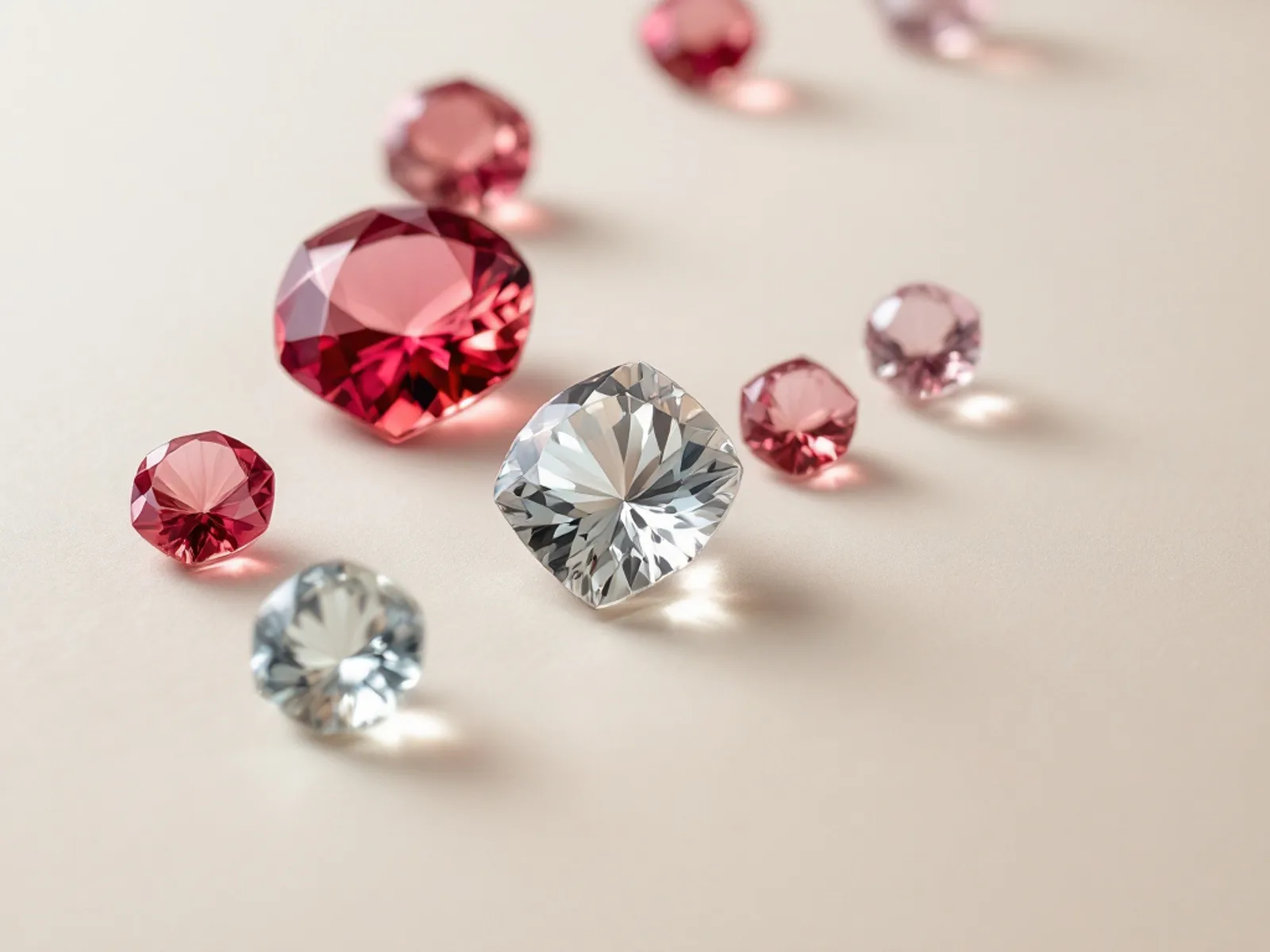 Spinel
Spinel is magnesium aluminium oxide.
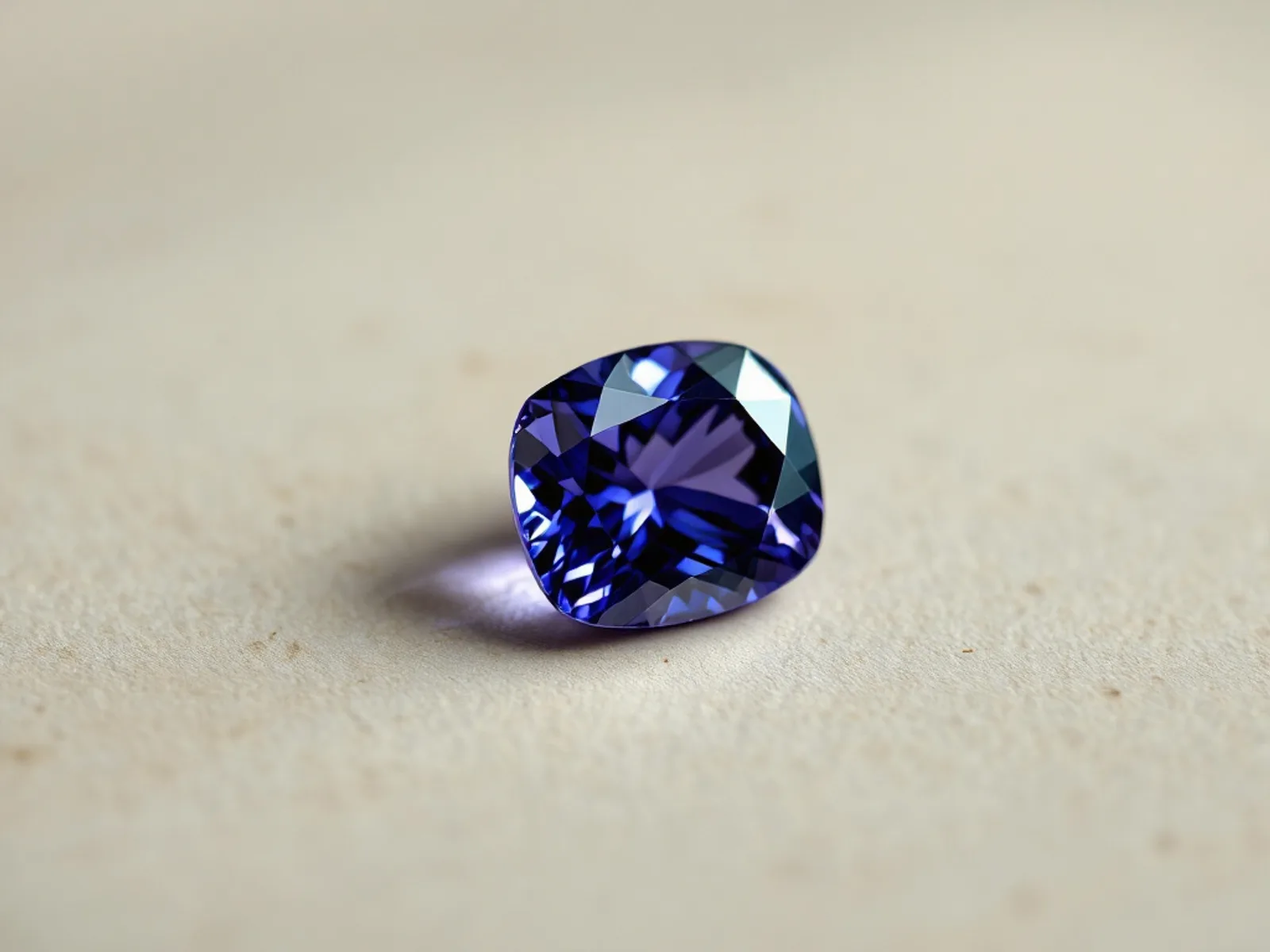 Tanzanite
Tanzanite is blue-to-violet zoisite from one strip of ground on earth, the Merelani Hills outside Arusha in northern Tanzania.
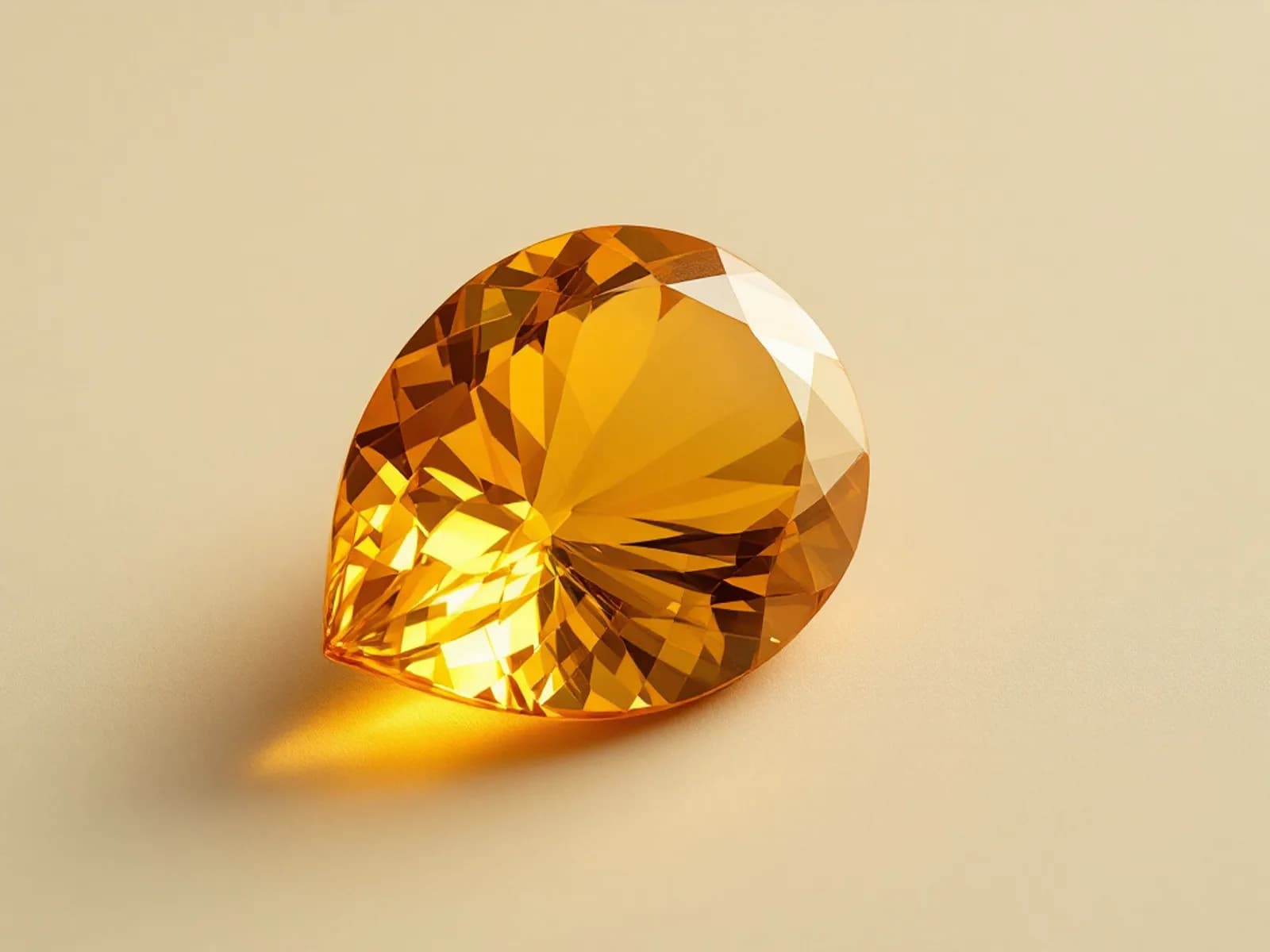 Topaz
TopazTopaz is two markets wearing one name.
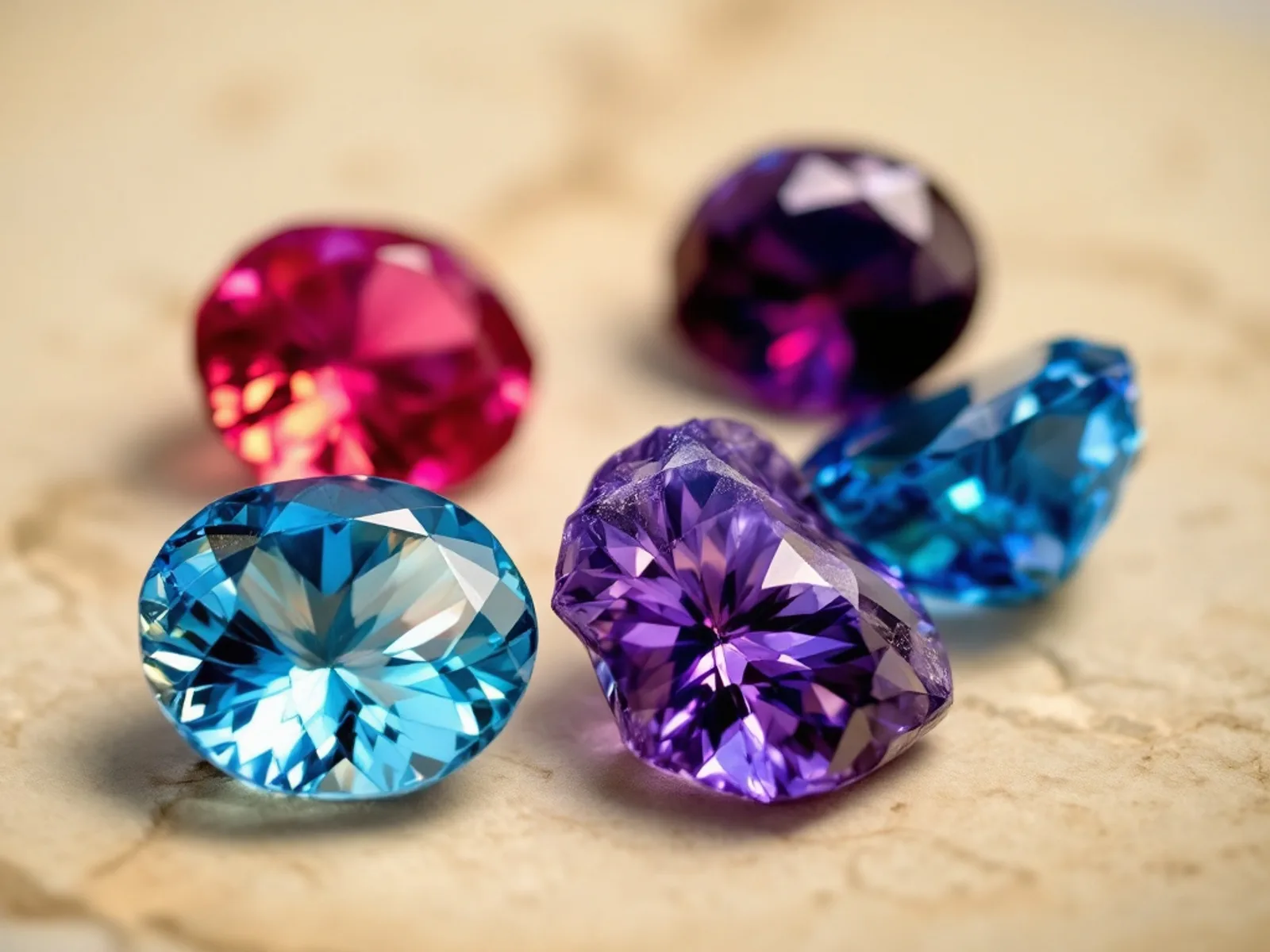 Tourmaline
Tourmaline comes in more colours than any other gem family.
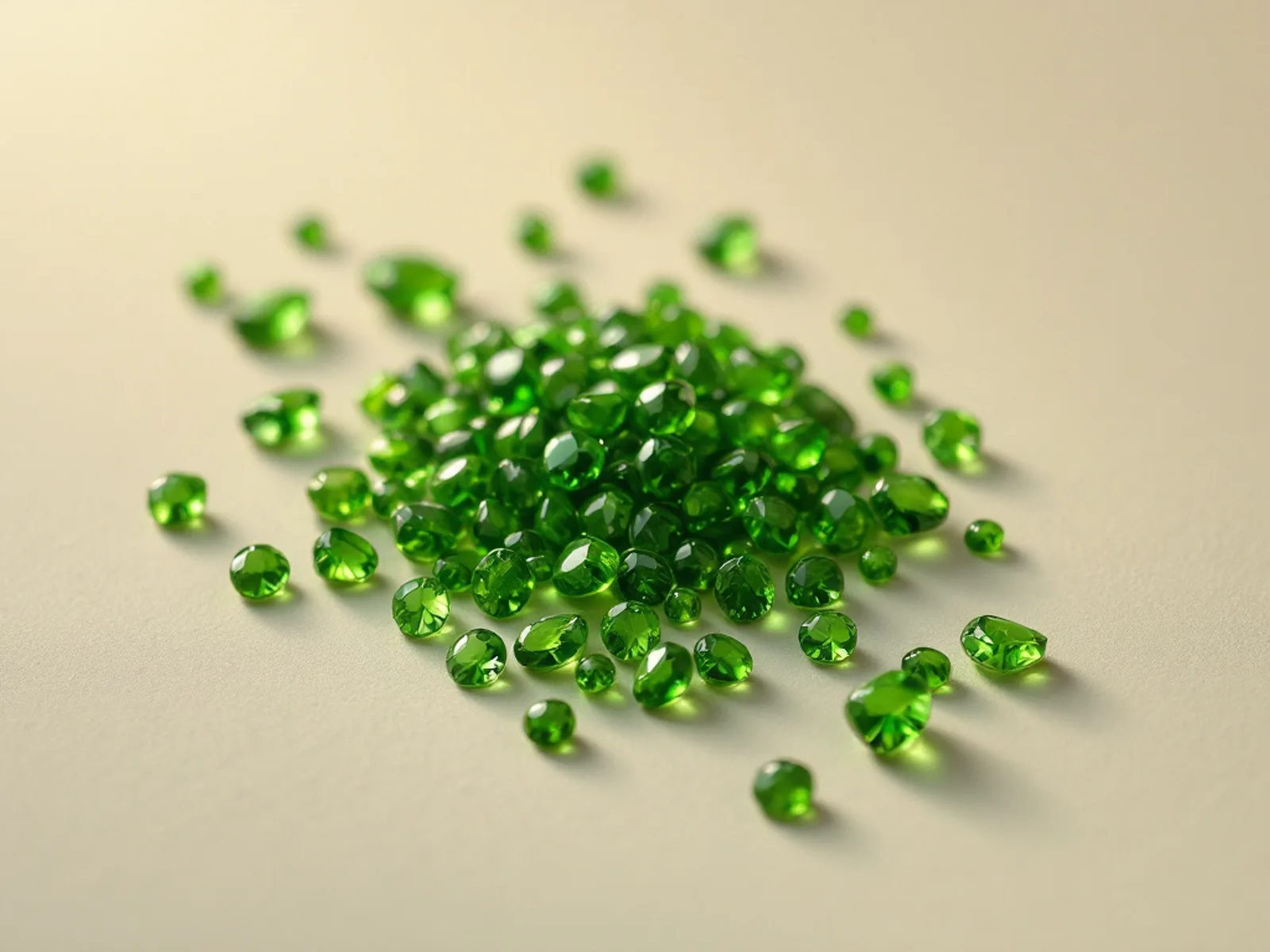 Tsavorite
Tsavorite is green grossular garnet from the Kenya-Tanzania border, coloured by vanadium with some chromium.
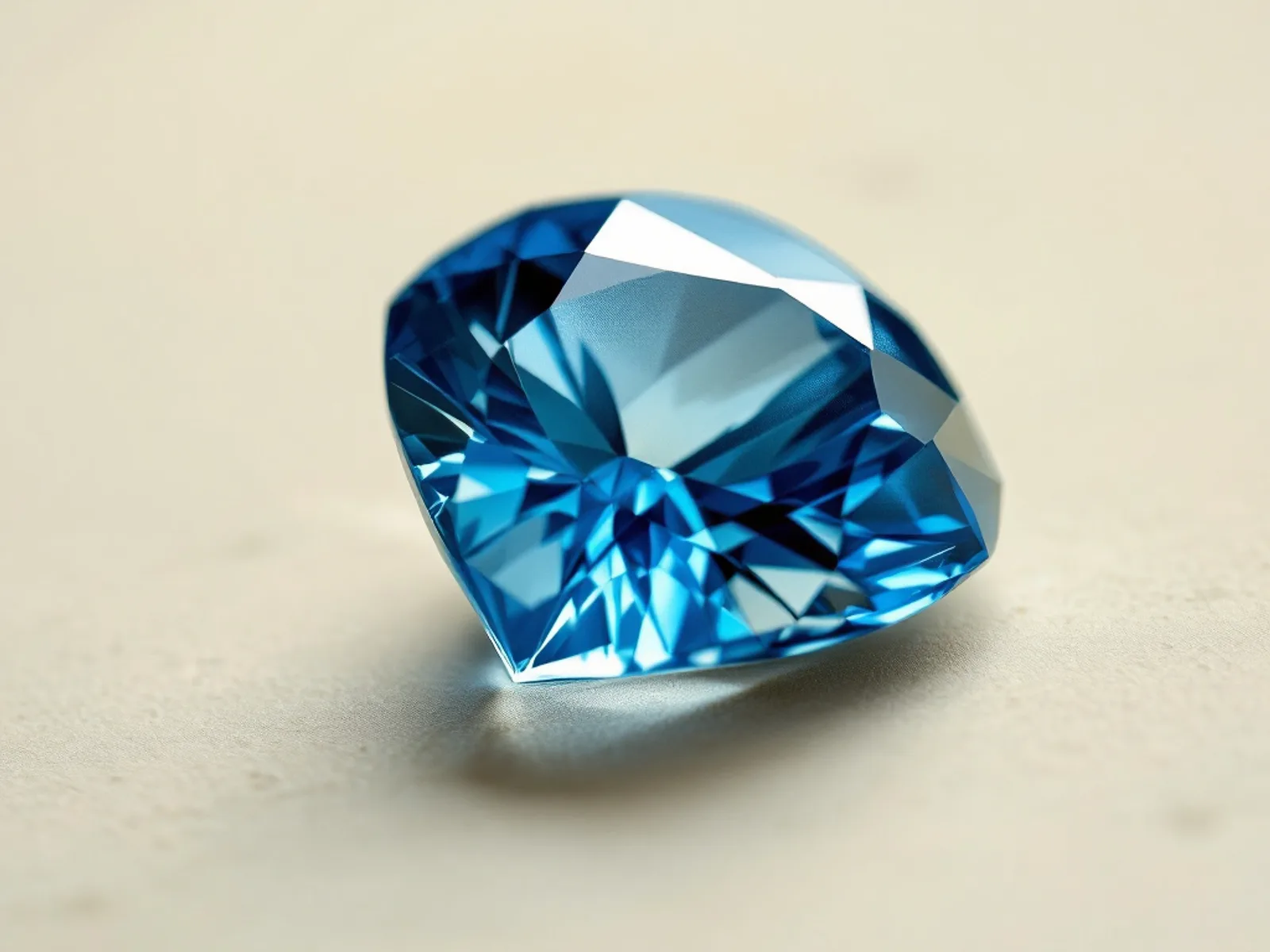 Zircon
Zircon is the oldest mineral ever dated on earth, from grains in Western Australia at over four billion years.
购买有色宝石
购买宝石前应该检查哪些方面?
处理方式,以及卖家是否会在书面文件中明确标注。市场上几乎所有的红宝石和蓝宝石都经过加热处理,大多数祖母绿的裂隙中都填充了油或树脂,这些处理本身并无不妥;珠宝行业沿用这些做法已有数百年之久,价格理应反映这些处理情况。真正的问题在于卖家的沉默。 一颗unheated缅甸红宝石与一颗经过加热处理的红宝石,在桌面上看起来可能完全一样,但价格却可能相差十倍;因此,如果卖家不愿在发票上注明处理方式,要么是他们没有向供应商询问,要么就是希望你不知道答案。颜色、切工和重量,你可以用自己的眼睛和天平来判断。 但处理情况却无法凭肉眼判断,这正是你必须坚持确认的原因。
在哪里可以买到正品宝石?
来自一位能说出宝石产地、且不介意你核实的人。宝石展是老方法,但依然很靠谱:二月的图森、秋天的慕尼黑、三月的香港。 在那里,你可以将宝石置于自然光下观察,而非在商家的灯下——因为许多宝石的色彩正是在灯光下被掩盖了。如今,切工师们在斋浦尔、曼谷和伊达尔-奥伯施泰因等地直接销售,这省去了一道中间环节。 在线购买时,实验室报告上的编号应能让你在该实验室的官方网站上查到这颗宝石的信息;GIA和SSEF都允许你在浏览器中输入该编号进行查询。卖家通过电子邮件发送给你的PDF文件则完全是另一回事。该名录列出了各家机构及其公开的信息,每条条目都注明了其建立的依据。
常见问题解答
宝石与半宝石有什么区别?
这是营销之分,而非宝石学之分。十九世纪的零售业将钻石、红宝石、蓝宝石和祖母绿定为四大宝石,其余一律归为半宝石——这一名称如今既涵盖上品尖晶石,也涵盖滚筒抛光的玛瑙。市场并不理会:优质尖晶石和碧玺的价格往往数倍于商业级蓝宝石,而这两个词都不会出现在实验室鉴定报告上。
在网上购买宝石安全吗?
合理地,应设有一段退货期限。照片往往无法真实呈现宝石的颜色,而且任何屏幕都无法展示宝石在倾斜时的效果,因此,这十四天的时间让独立第三方对宝石进行鉴定,其价值远胜于任何文字描述。应以书面形式确认处理结果,并提供可供您自行查询的报告编号。
一颗真正的宝石要多少钱?
从每克拉几英镑到六位数不等。产地、处理工艺和尺寸对价格的影响如此之大,若缺少其中任何一项,价格区间便毫无参考价值。我们不发布任何估值信息。
如何判断一颗宝石是否是真品?
仅凭肉眼无法可靠辨别,这才是诚实的答案。合成刚玉自20世纪初起便已实现商业化生产,其化学成分与天然开采的刚玉完全相同,因此能骗过常见的家庭检测方法。鉴定工作必须在实验室进行:只有GIA(SSEF)、Gubelin(GRS)或其同行出具的鉴定报告,才能最终确定其真伪。
天然宝石和实验室培育宝石有什么区别?
生长环境。实验室培育的蓝宝石就是蓝宝石——化学成分相同、硬度相同,莫氏硬度同样为9——其价格应仅为天然开采蓝宝石的一小部分。卖家必须明确告知您购买的是哪一种。
哪些宝石值得投资?
本登记册不提供投资建议,并对任何提供此类建议的人持谨慎态度。有色宝石流动性差,其价格通过协商而非交易所确定,且存在价差——大多数买家往往直到试图出售时才会发现这一点。如果您要购买,请直接购买宝石本身。