कीमती और अर्ध-कीमती रत्न
कीमती और अर्ध-कीमती का विभाजन उन्नीसवीं सदी के खुदरा व्यापार से आया है, रत्नविज्ञान से नहीं, और व्यापार एक सदी से इससे दूर होता आया है। ये वे प्रजातियाँ हैं जो रजिस्टर में दर्ज हैं: प्रत्येक क्या है, किन उपचारों का खुलासा अनिवार्य है, किन रिपोर्टों का महत्व है, और उन्हें कौन बेचता है।
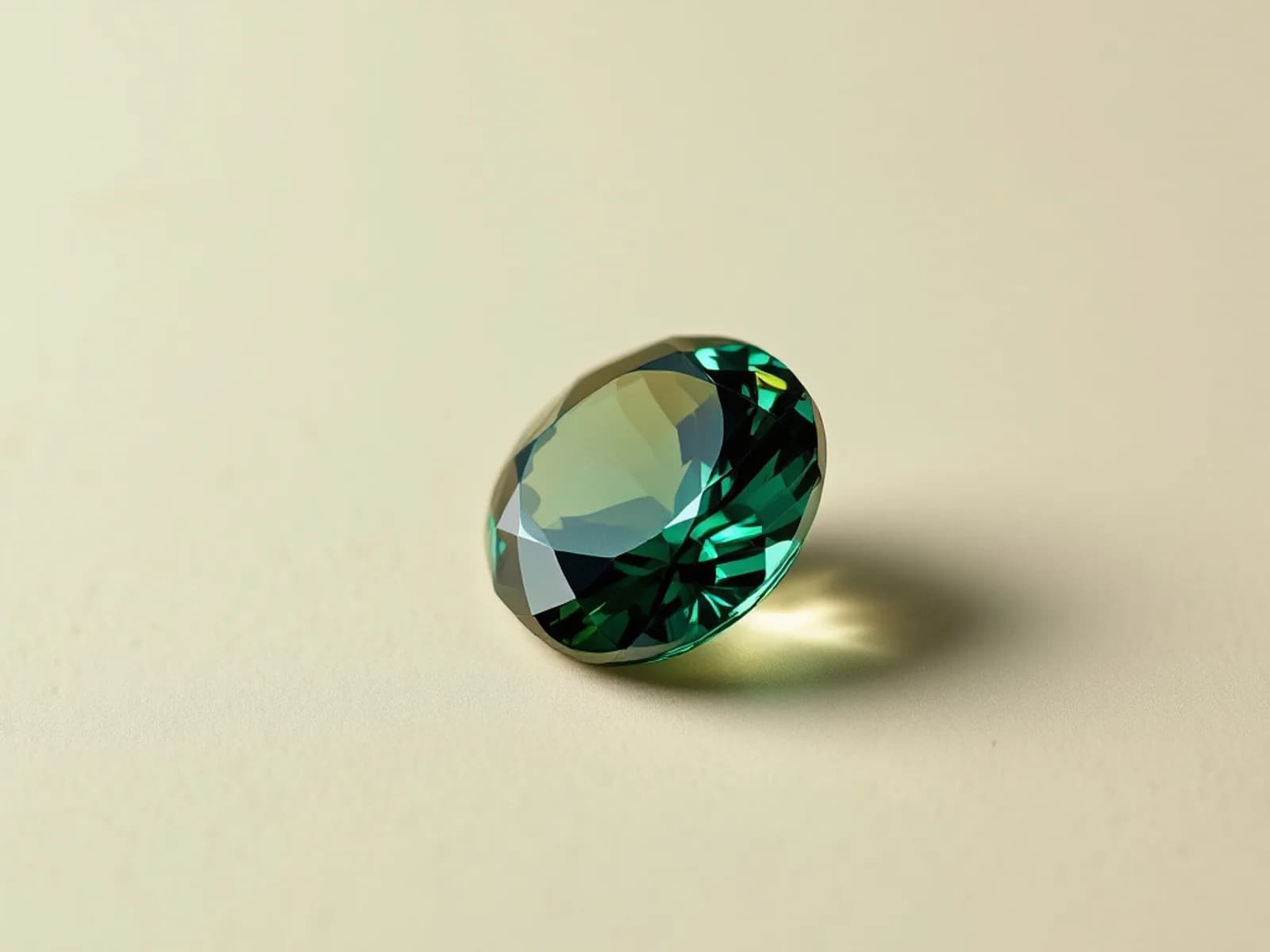 Alexandrite
Alexandrite is the colour-change variety of chrysoberyl: green to bluish-green in daylight, red to purplish-red under incandescent light.
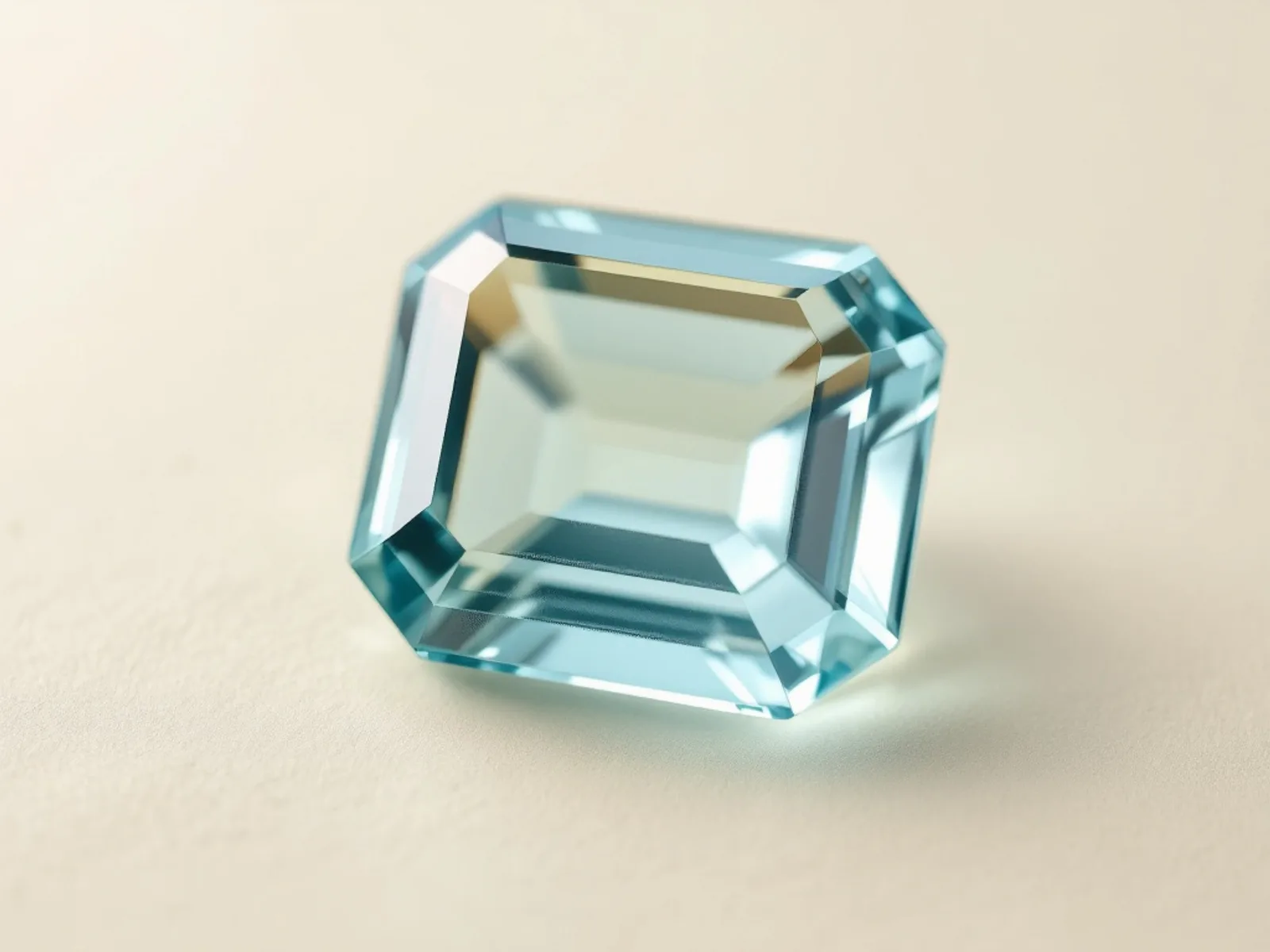 Aquamarine
Aquamarine is blue beryl, cousin to emerald and morganite, and it is heated as a matter of course.
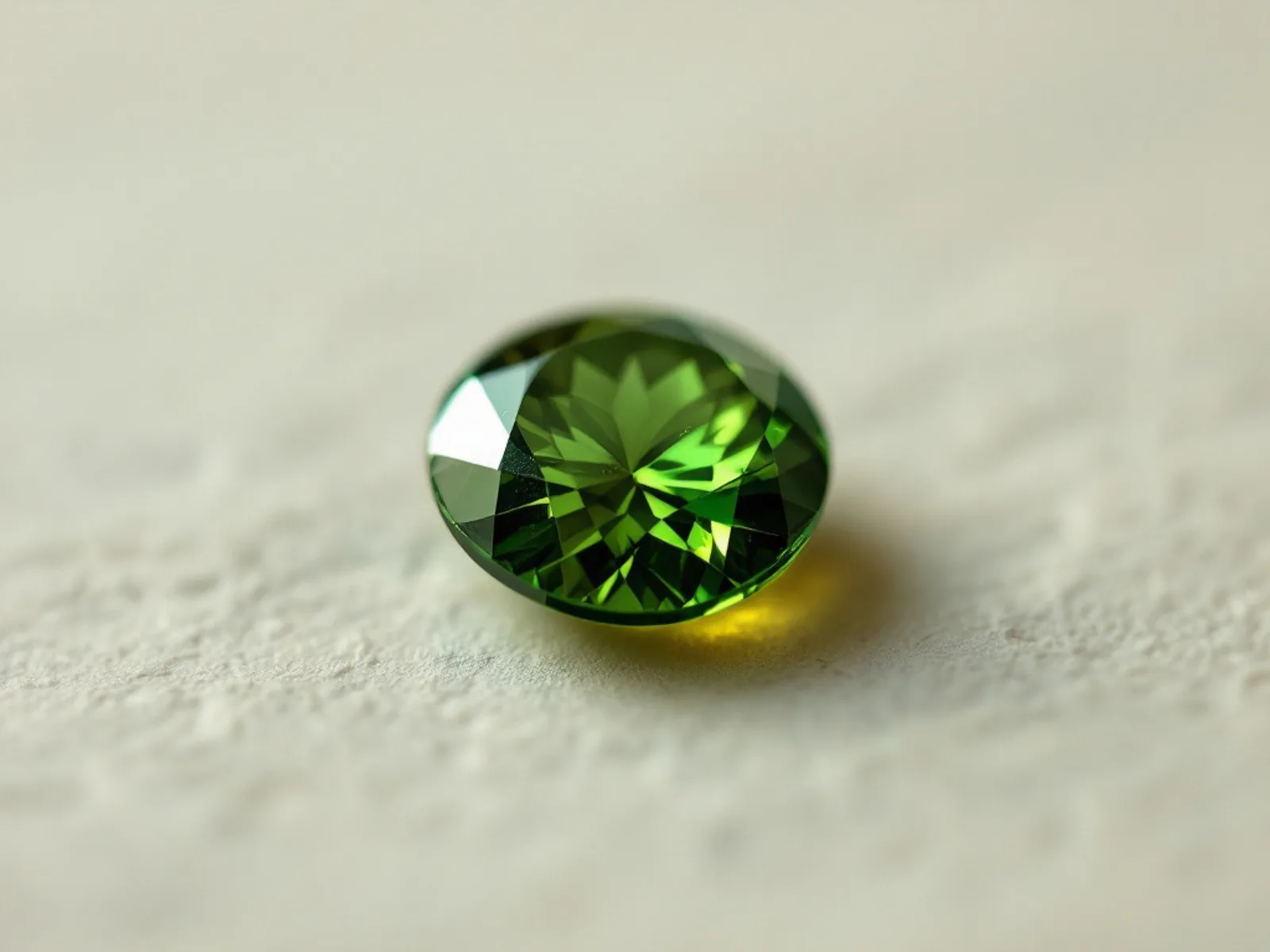 Demantoid
Demantoid is the green variety of andradite garnet.
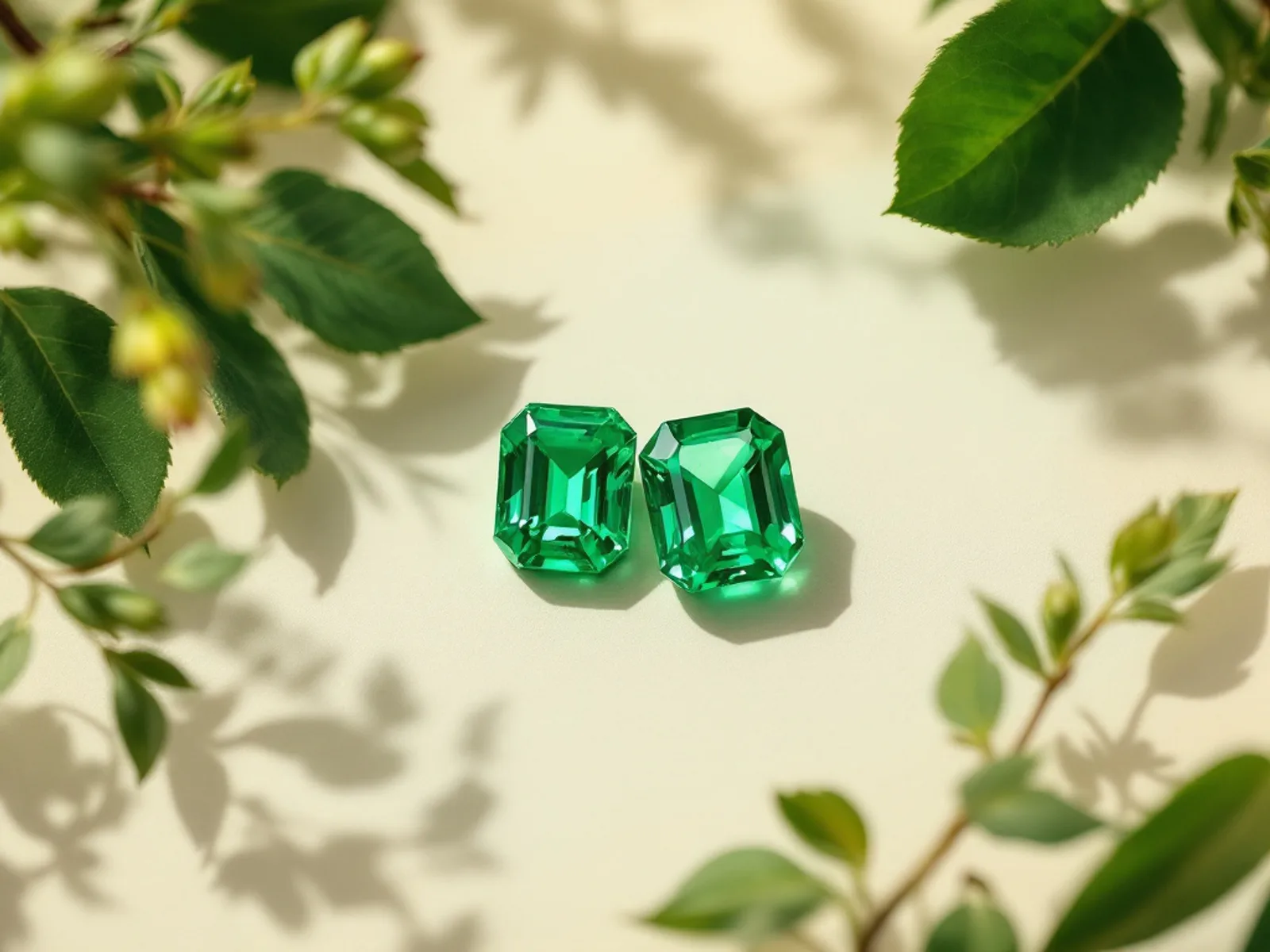 Emerald
Emerald is green beryl, coloured by chromium, vanadium or both, and nearly every one sold has had oil or resin run into its fractures.
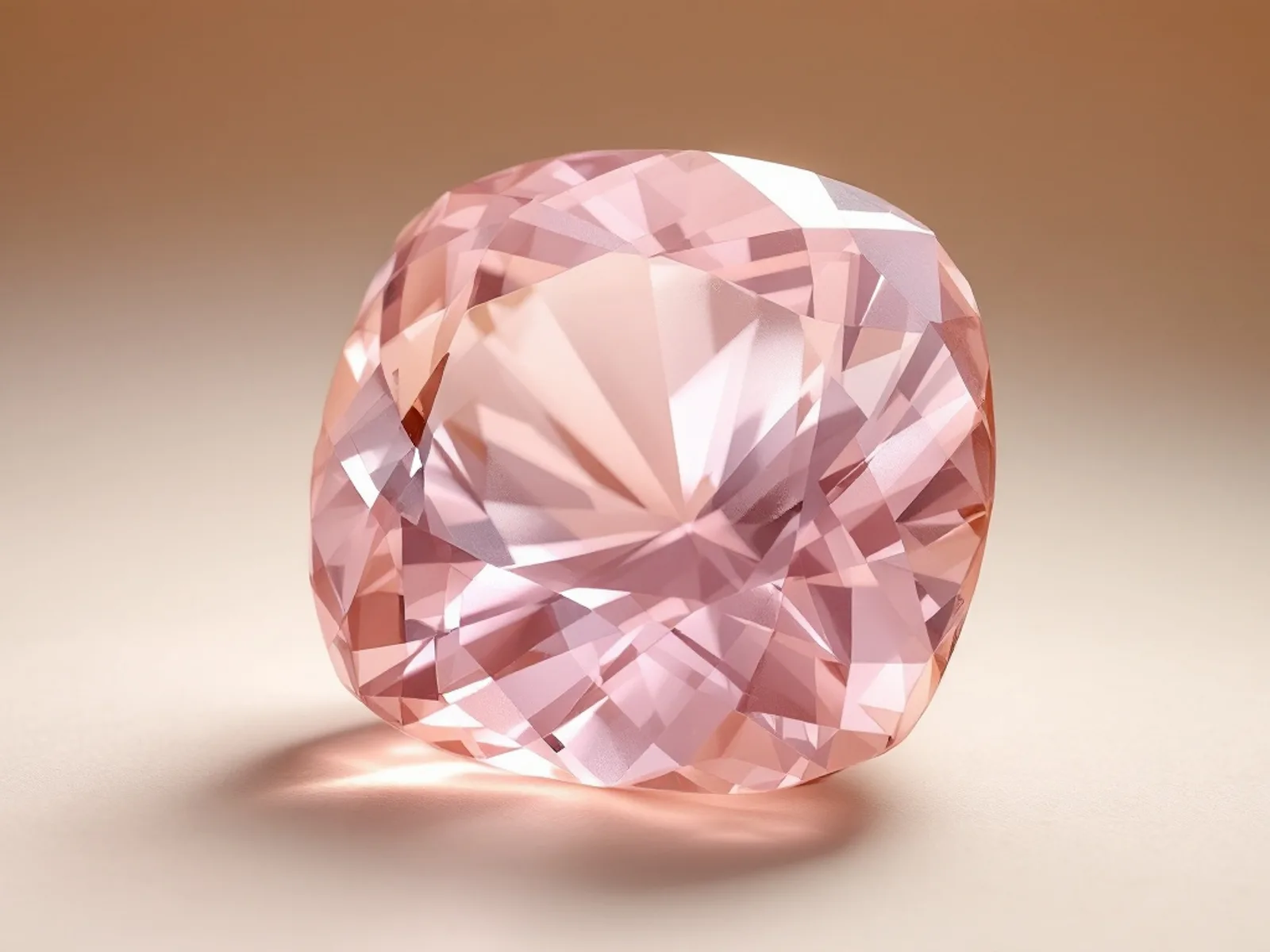 Kunzite
Kunzite is the pink to violet variety of spodumene, a lithium aluminium silicate, named for the gemmologist George Frederick Kunz after he described the first Californian crystals in 1902.
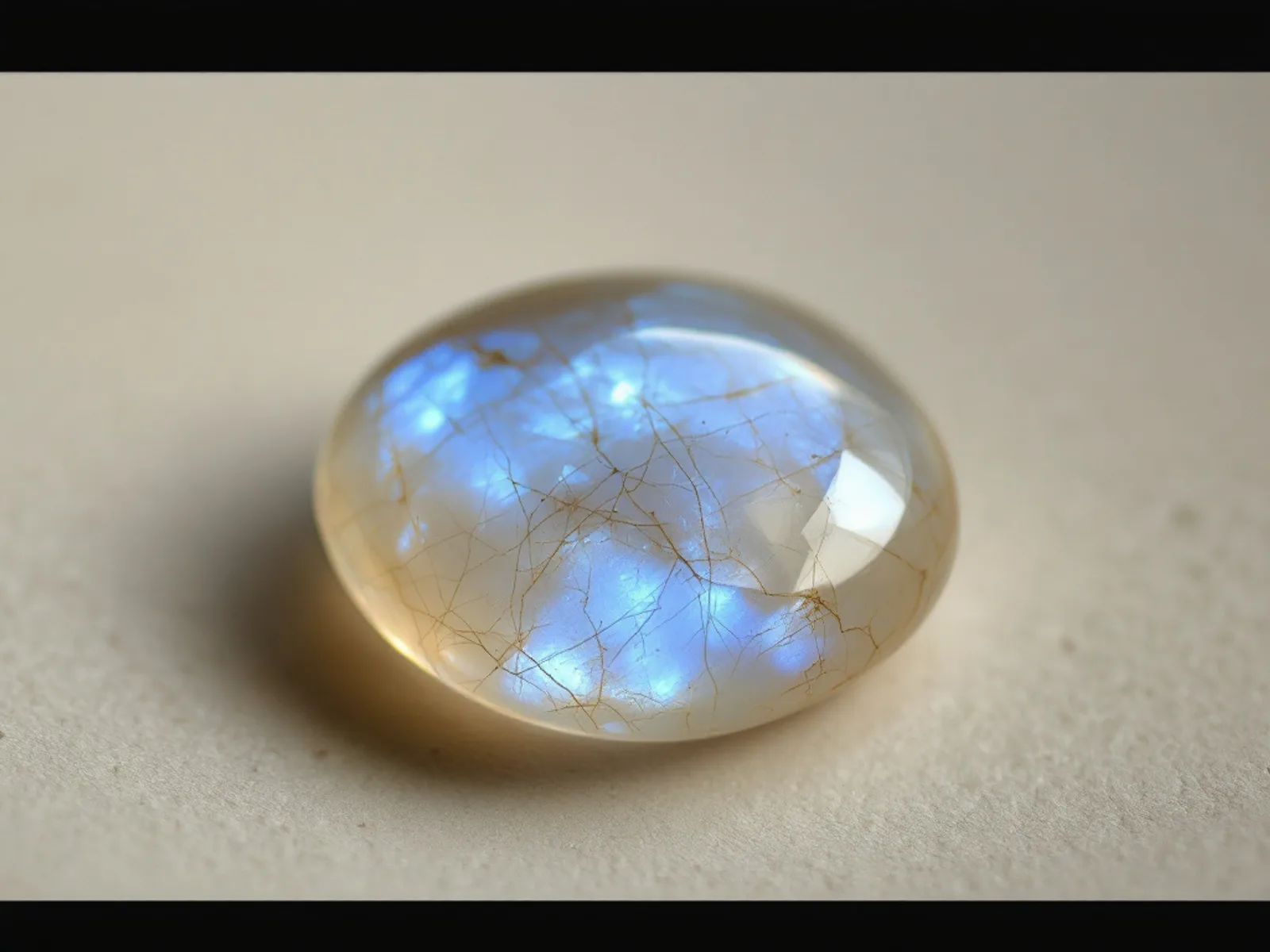 Moonstone
Moonstone is graded on its sheen before anything else.
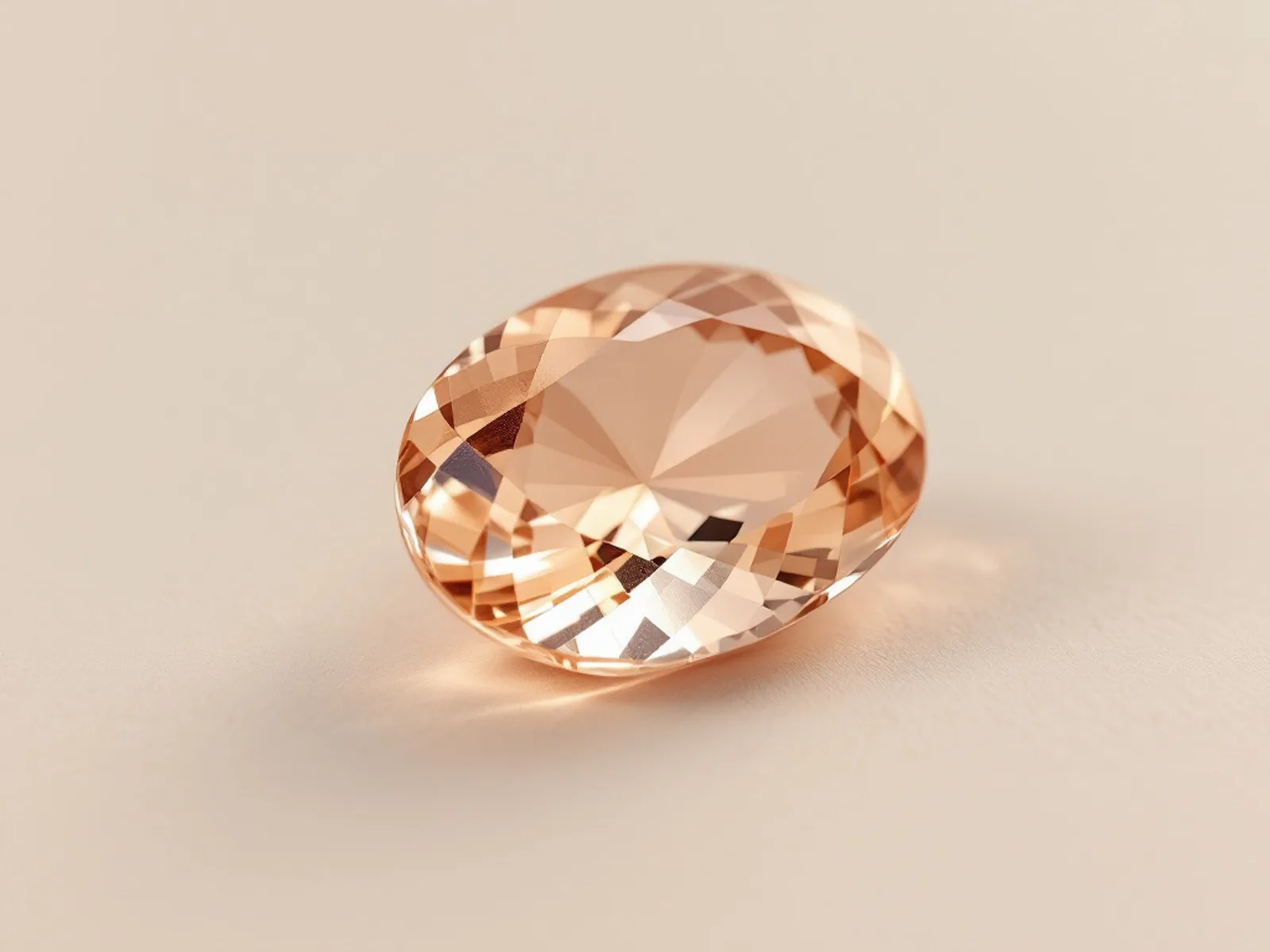 Morganite
Morganite is the pink to peach beryl, the same mineral as emerald and aquamarine, coloured by manganese rather than by chromium or iron.
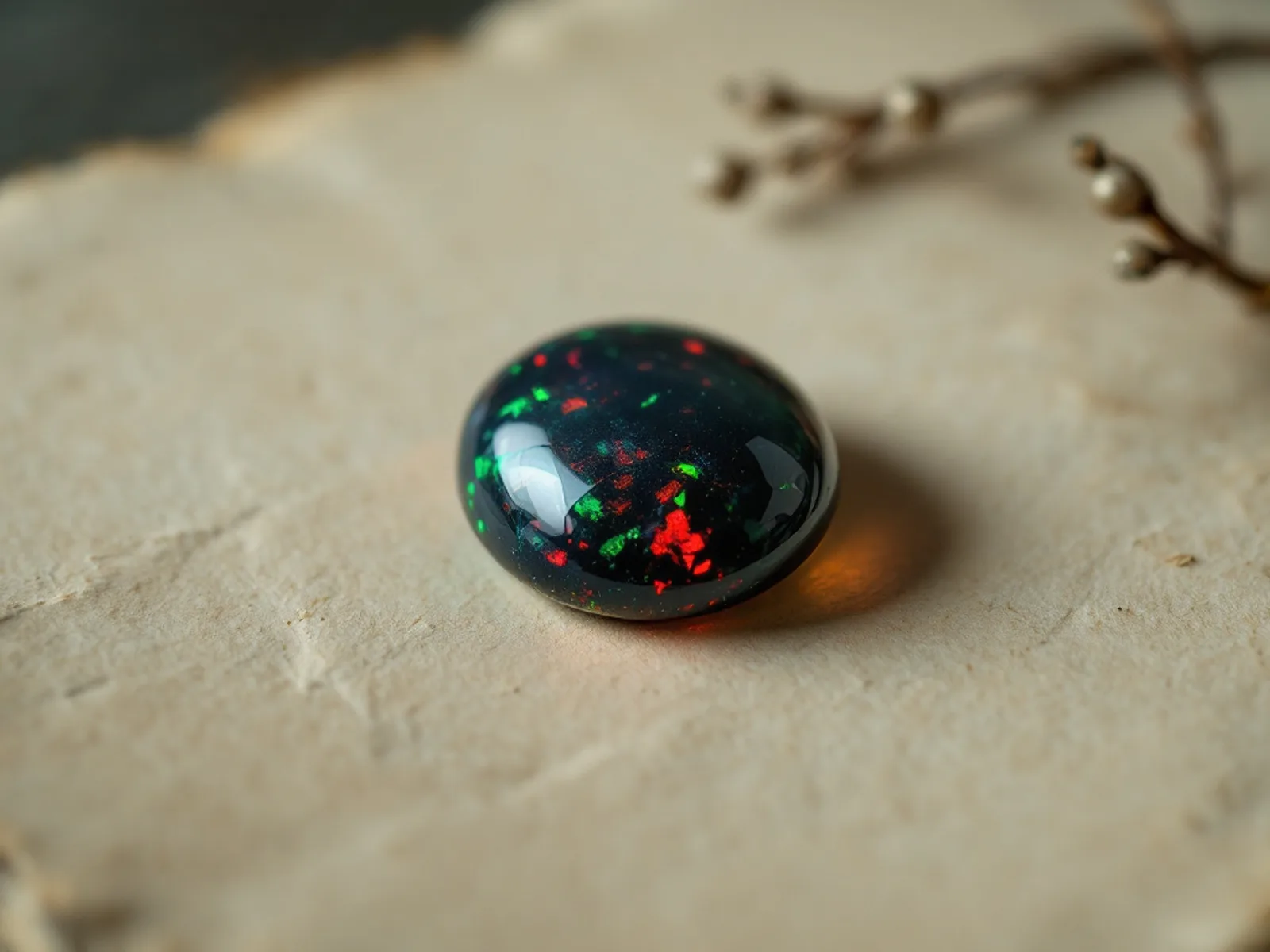 Opal
OpalOpal is priced on play-of-colour, the flashes of spectral colour that travel across the stone as it moves.
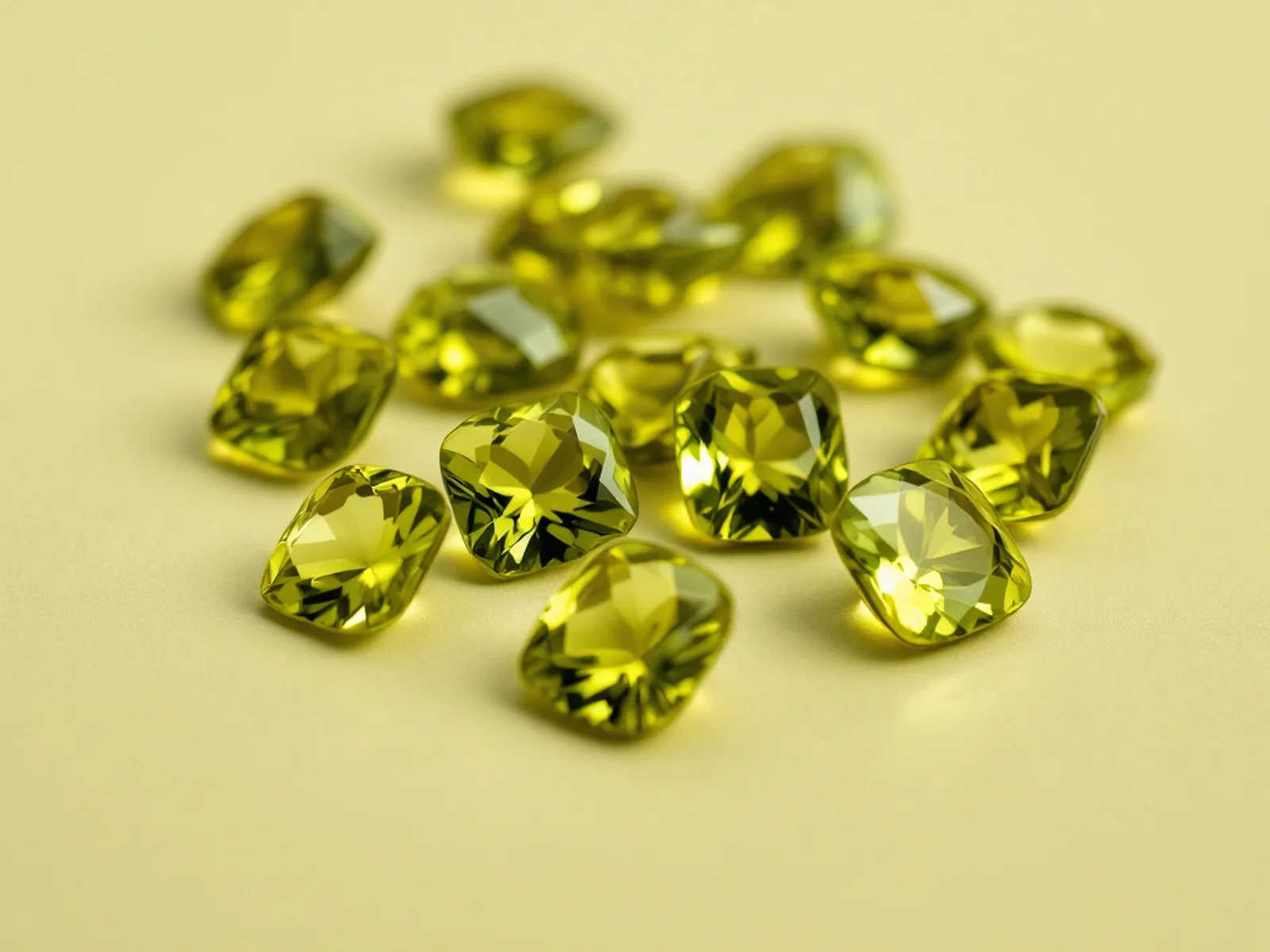 Peridot
Peridot is gem olivine, and the iron that colours it green is part of the mineral rather than an impurity that can be put in or taken out.
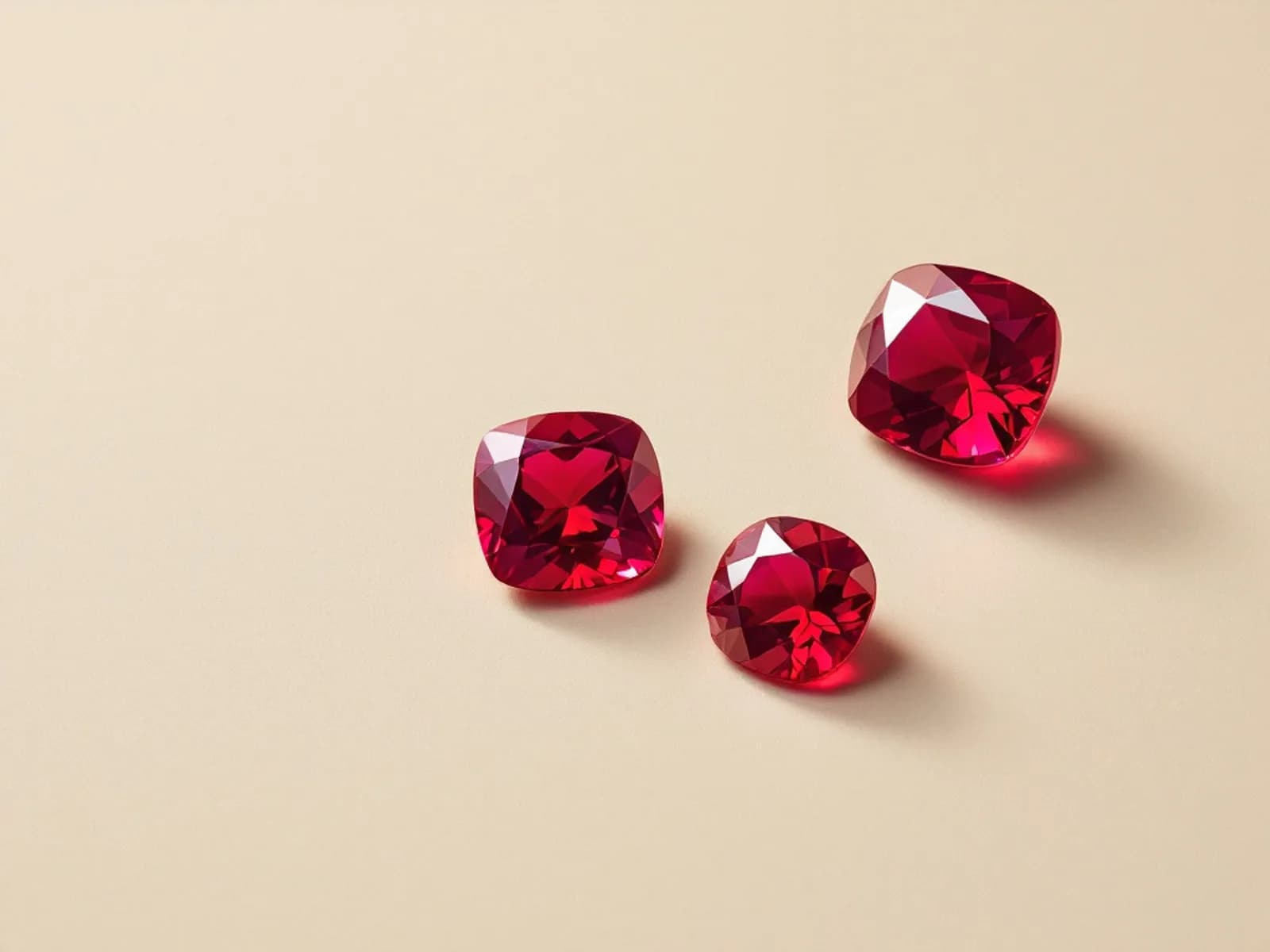 Ruby
RubyRuby is red corundum, coloured by chromium, and at the top end it is the most expensive coloured stone per carat that changes hands.
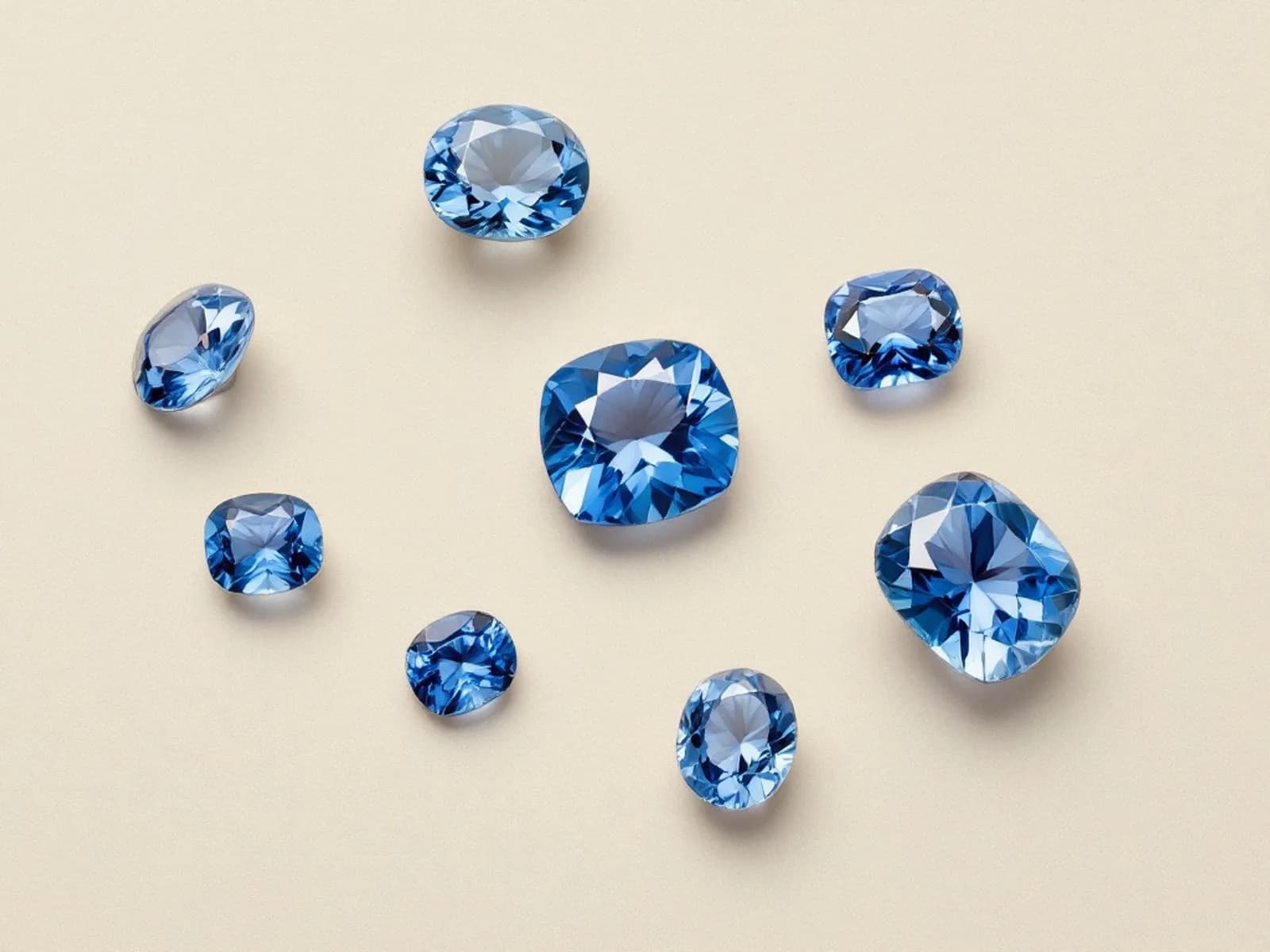 Sapphire
Sapphire is corundum in every colour except red, and red is ruby.
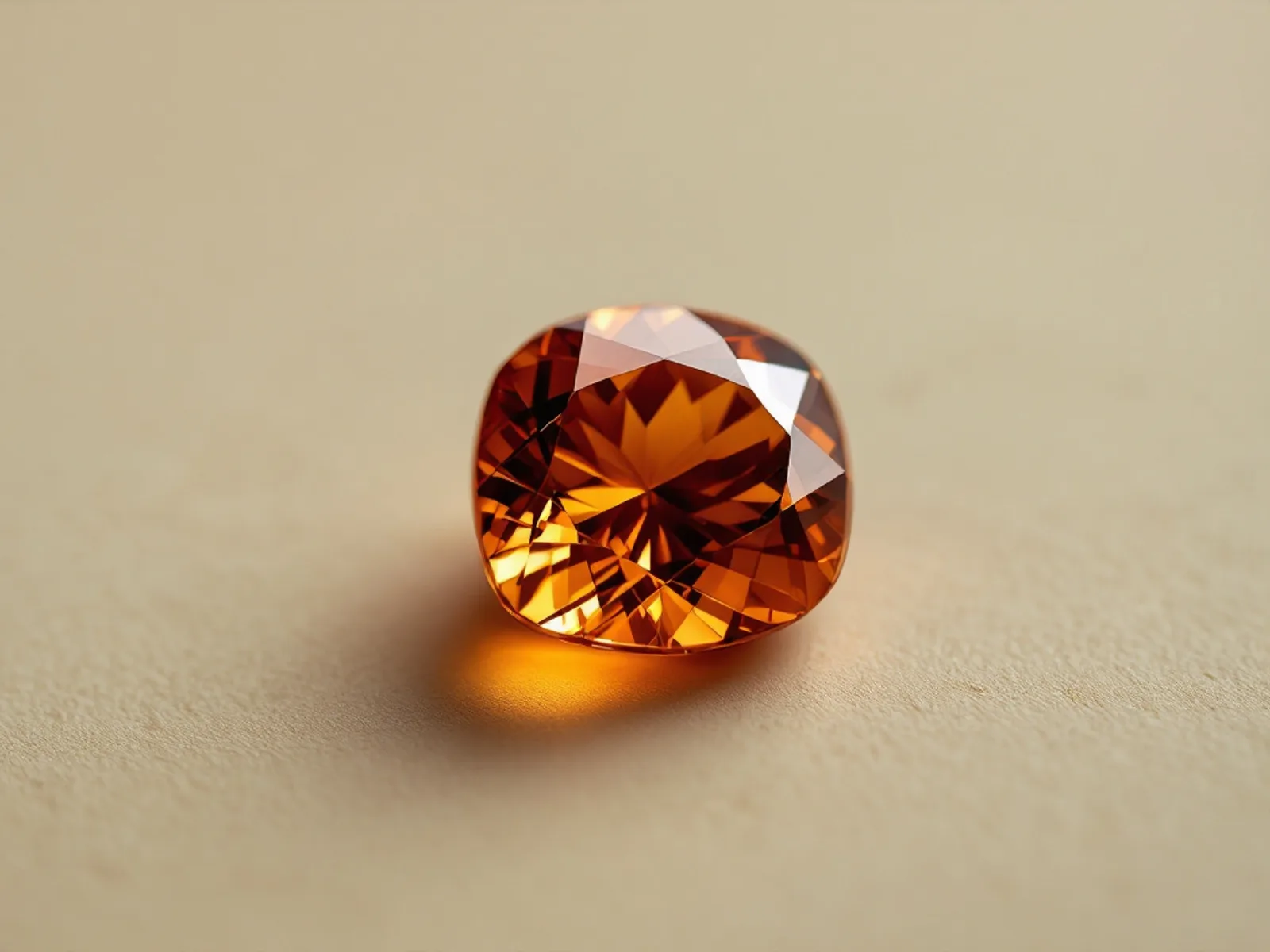 Spessartite
Spessartite is the manganese garnet, and its orange has no equal among untreated gems.
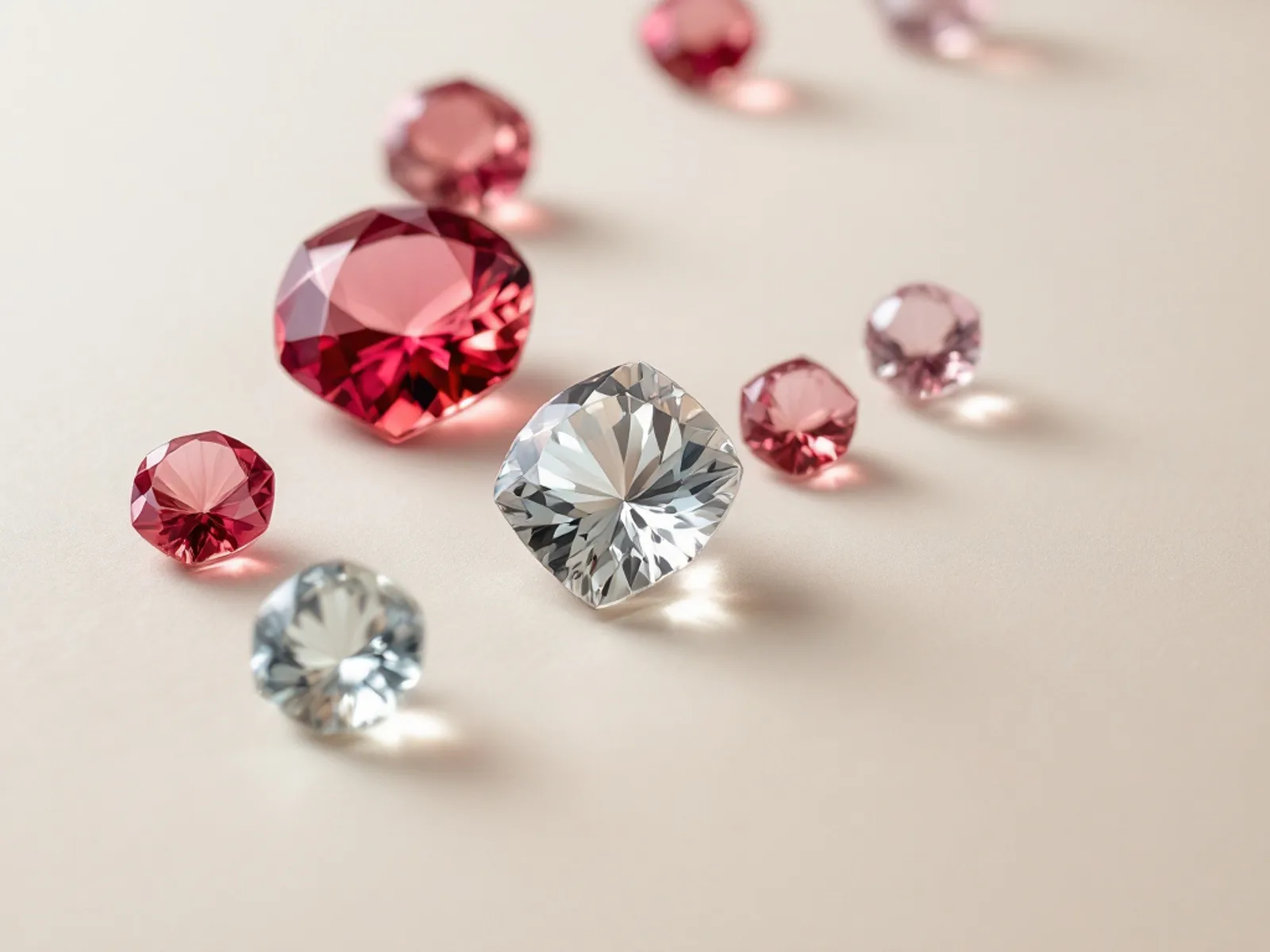 Spinel
Spinel is magnesium aluminium oxide.
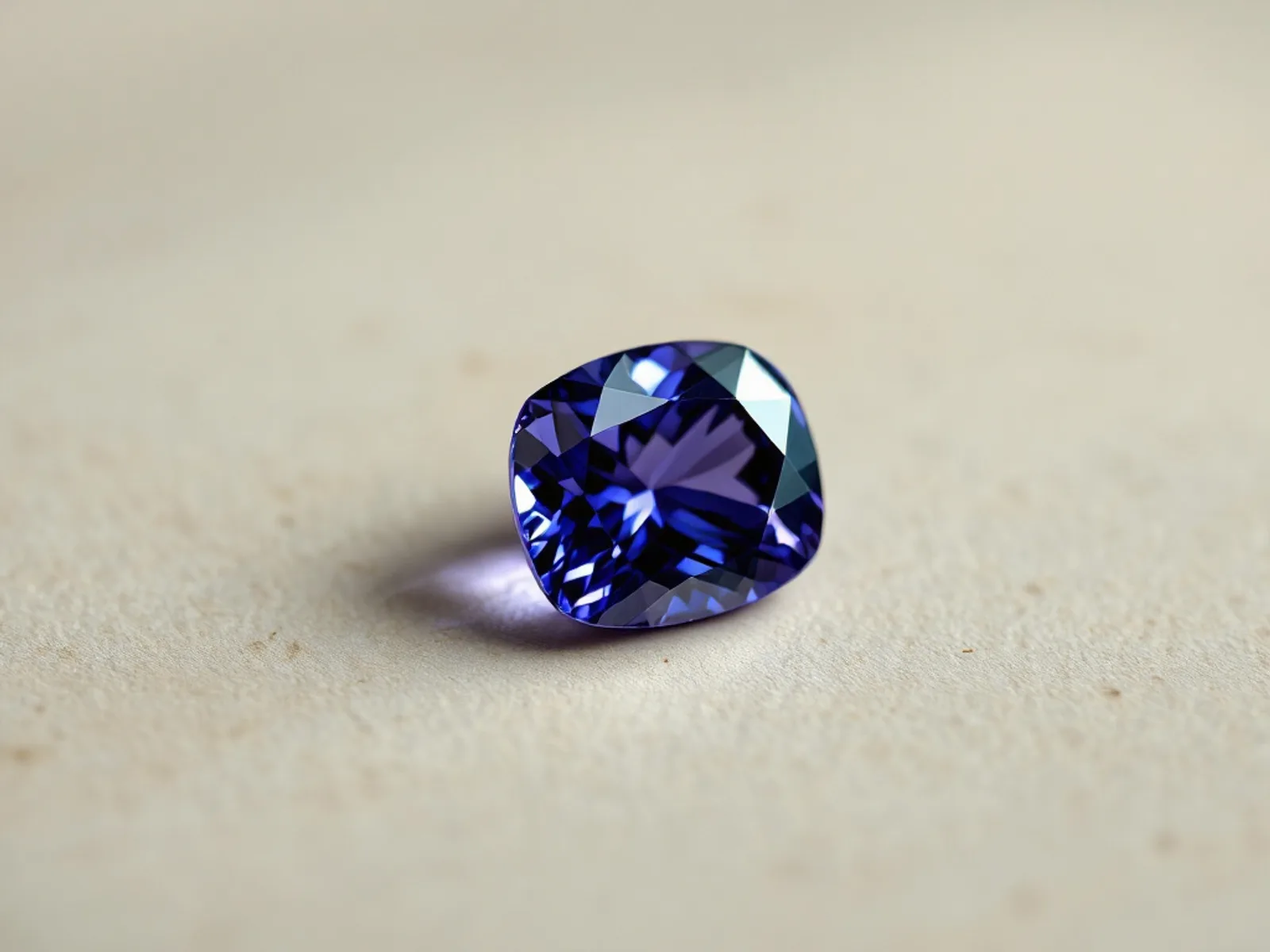 Tanzanite
Tanzanite is blue-to-violet zoisite from one strip of ground on earth, the Merelani Hills outside Arusha in northern Tanzania.
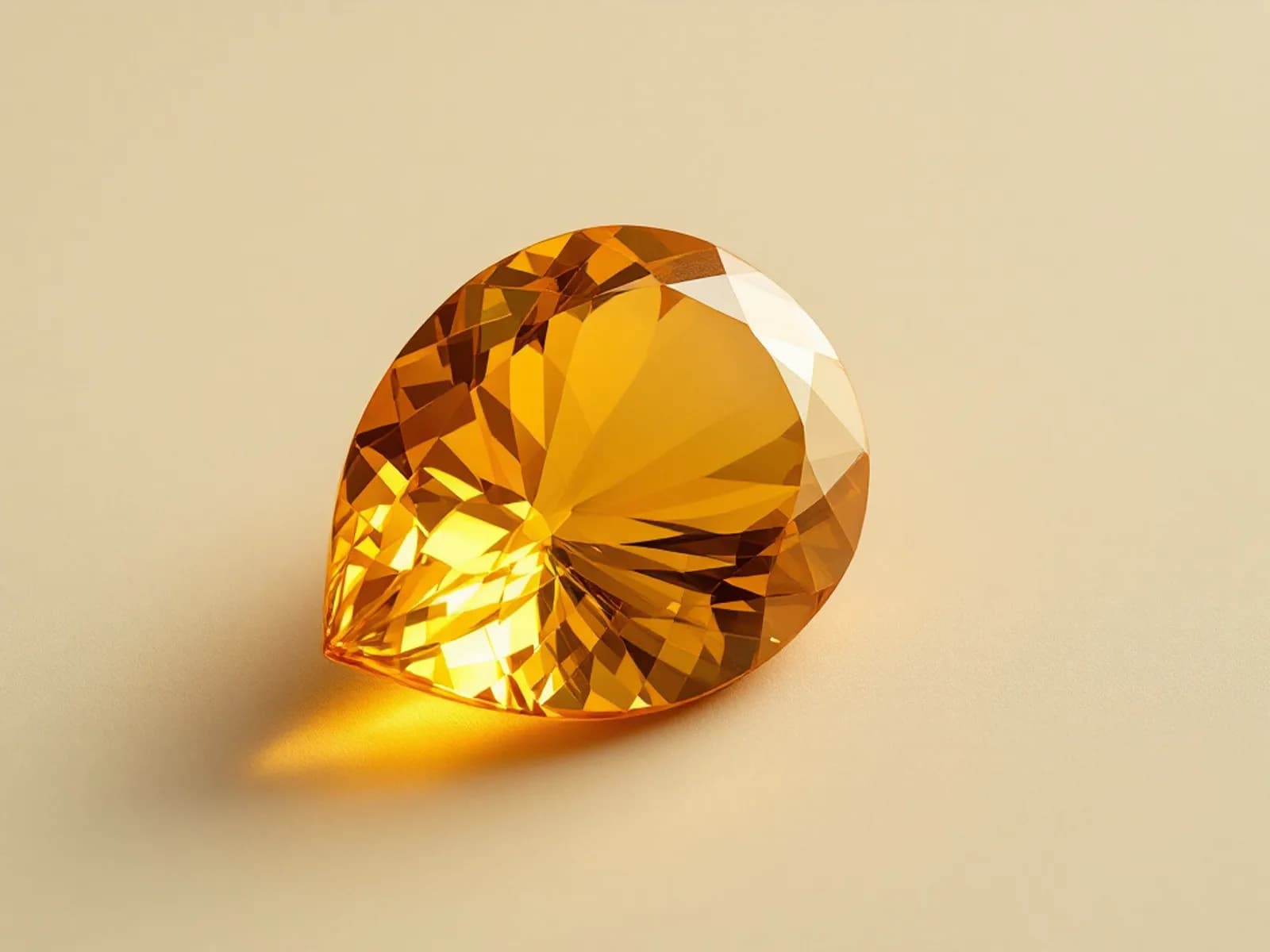 Topaz
TopazTopaz is two markets wearing one name.
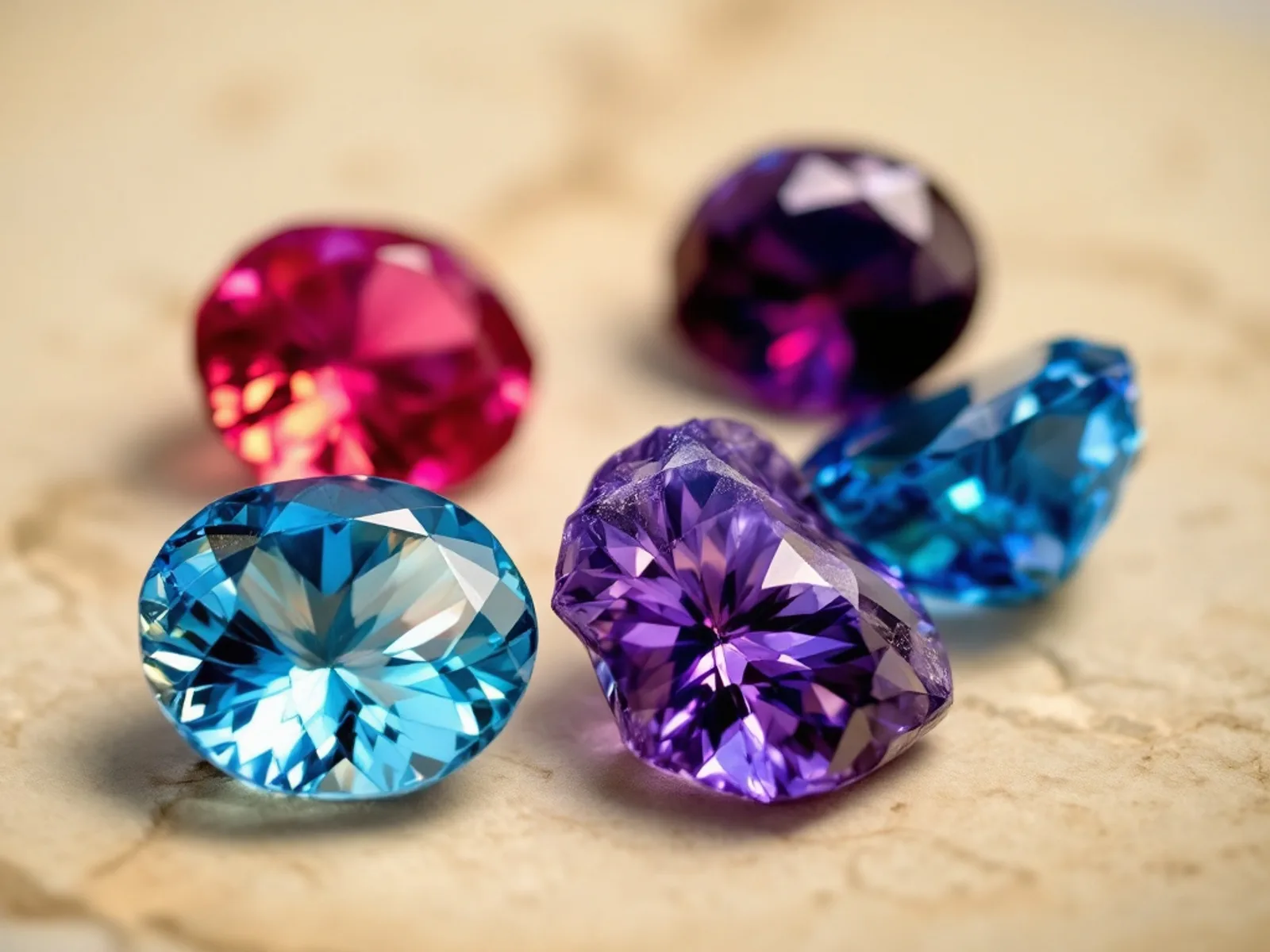 Tourmaline
Tourmaline comes in more colours than any other gem family.
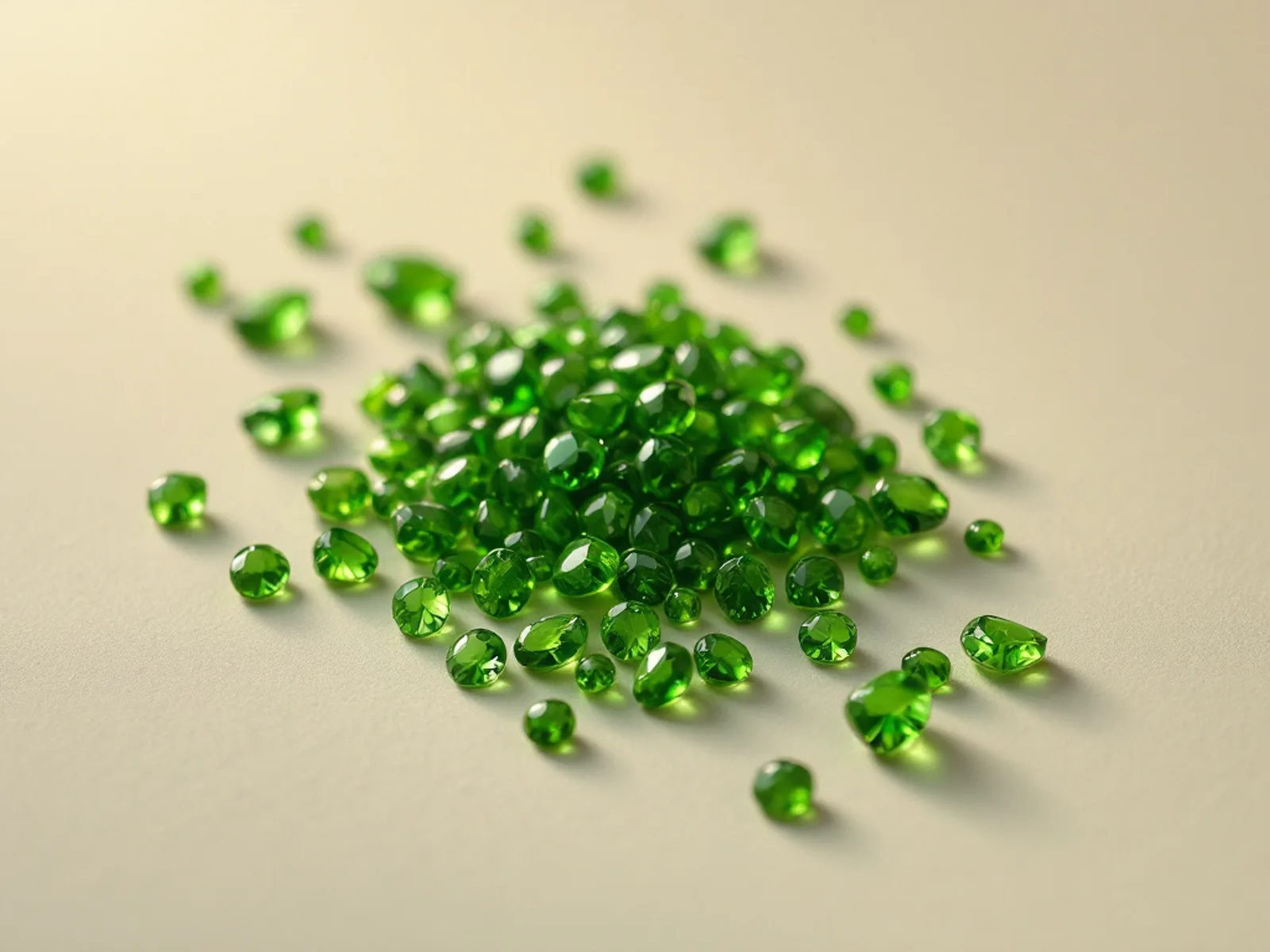 Tsavorite
Tsavorite is green grossular garnet from the Kenya-Tanzania border, coloured by vanadium with some chromium.
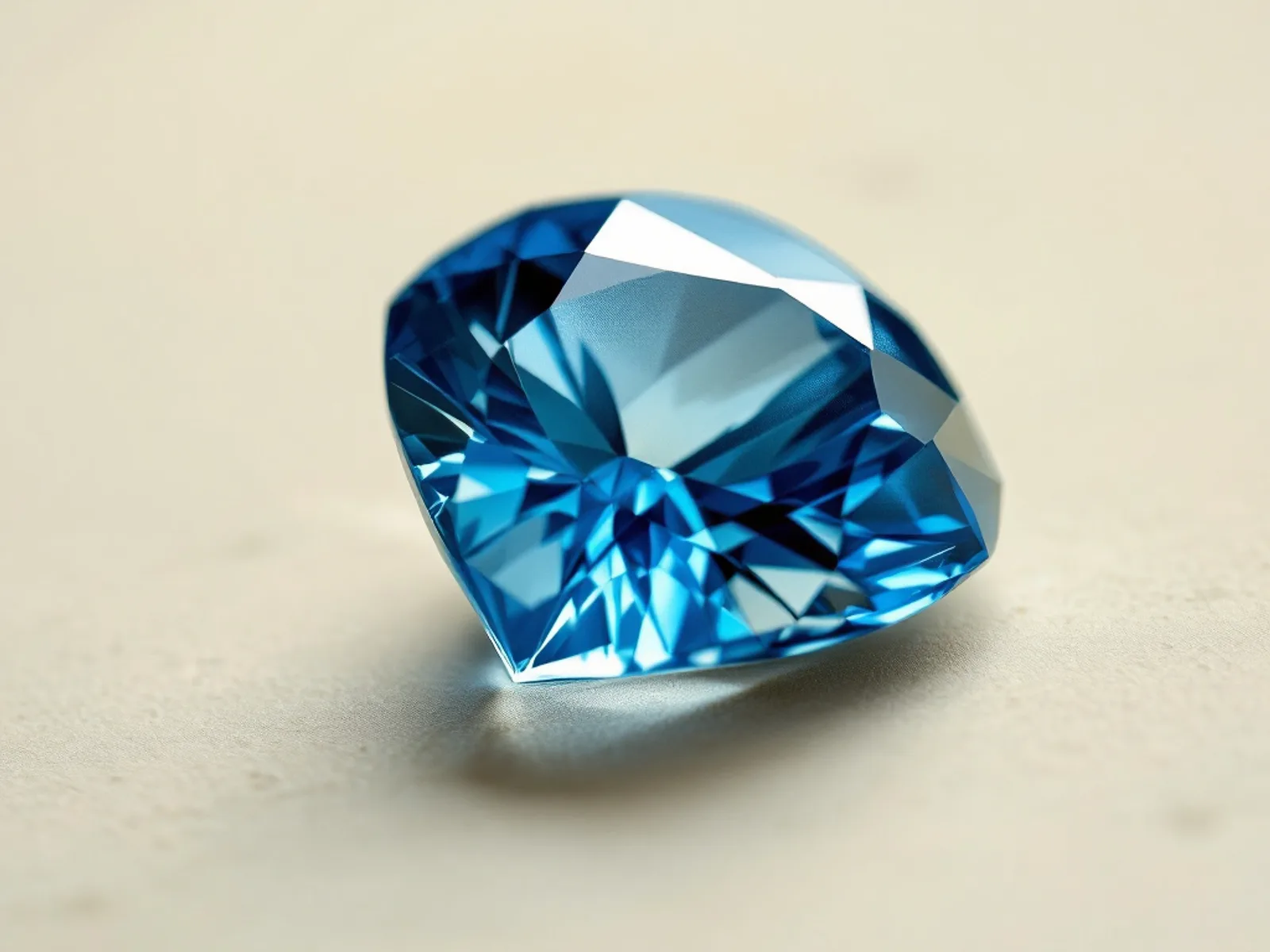 Zircon
Zircon is the oldest mineral ever dated on earth, from grains in Western Australia at over four billion years.
रंगीन पत्थर खरीदना
रत्न खरीदने से पहले आपको क्या जांचना चाहिए?
Treatment, and whether the seller will name it in writing. Almost every ruby and sapphire on the market has been heated, most emeralds carry oil or resin in their fissures, and none of that is wrong in itself; the trade has done it for centuries and the price is supposed to reflect it. What goes wrong is silence. An unheated Burmese ruby and a heated one can look identical across a table and differ by a factor of ten in price, so a seller who will not put the treatment on the invoice is either not asking their supplier or would rather you did not know the answer. Colour, cut and weight you can judge with your own eyes and a scale. Treatment you cannot, and that is exactly why it is the thing to insist on.
आप असली रत्न कहाँ से खरीद सकते हैं?
जो कोई भी उस जमीन का नाम बता सकता है जहाँ से यह निकला है और जिसे आप जाँचने में कोई आपत्ति नहीं है। रत्न प्रदर्शनियाँ पुराना उत्तर हैं और अभी भी एक अच्छा विकल्प हैं: फरवरी में टक्सन, पतझड़ में म्यूनिख, मार्च में हांगकांग। आप पत्थर को विक्रेता की लैंप की रोशनी के बजाय दिन की रोशनी में झुकाकर देख सकते हैं, जहाँ बहुत सारा रंग छिप जाता है। अब कटर सीधे जयपुर, बैंकॉक और इडर-ओबर्स्टीन में बेचते हैं, जिससे बीच का एक कड़ी हट जाती है। ऑनलाइन खरीदते समय, प्रयोगशाला रिपोर्ट पर दिया गया नंबर आपके पत्थर को उस प्रयोगशाला की अपनी वेबसाइट पर दिखाना चाहिए; GIA और SSEF दोनों आपको इसे ब्राउज़र में टाइप करने की अनुमति देते हैं। विक्रेता द्वारा आपको ईमेल किया गया एक पीडीएफ पूरी तरह से एक अलग चीज़ है। यह रजिस्टर घरों और यह सूचीबद्ध करता है कि प्रत्येक क्या प्रकाशित करता है, और हर प्रविष्टि में यह बताया जाता है कि इसे कहाँ से बनाया गया था।
प्रश्न, उत्तरित
कीमती और अर्ध-कीमती रत्नों में क्या अंतर है?
यह विपणन का मामला है, रत्नविज्ञान का नहीं। उन्नीसवीं सदी के खुदरा व्यापार ने हीरा, माणिक, नीलम और पन्ना को चार कीमती रत्न ठहराया और शेष सब को अर्ध-कीमती छोड़ दिया — यह शब्द आज बढ़िया स्पिनल और घिसे हुए अगेट दोनों पर समान रूप से लागू होता है। बाज़ार इसे नहीं मानता: अच्छा स्पिनल और टूरमलाइन व्यावसायिक नीलम से कई गुना महँगे बिकते हैं, और इनमें से कोई भी शब्द प्रयोगशाला रिपोर्ट में नहीं आता।
क्या ऑनलाइन रत्न खरीदना सुरक्षित है?
उचित रूप से, वापसी की सुविधा के साथ। तस्वीरें रंगों को बुरी तरह सपाट दिखाती हैं और कोई स्क्रीन यह नहीं दिखा सकती कि पत्थर को झुकाने पर वह कैसा दिखता है, इसलिए किसी स्वतंत्र व्यक्ति द्वारा इसे देखने के लिए चौदह दिन का समय किसी भी विवरण से अधिक मूल्यवान है। लिखित रूप में उपचार, और एक रिपोर्ट नंबर जिसे आप स्वयं जांच सकते हैं।
एक असली रत्न की कीमत कितनी होती है?
प्रति कैरेट कुछ पाउंड से छह अंकों तक। उत्पत्ति, उपचार और आकार इसे इतना प्रभावित करते हैं कि इन तीनों के बिना कोई श्रेणी आपको कुछ भी नहीं बताती। हम कोई मूल्यांकन प्रकाशित नहीं करते।
आप कैसे पता लगा सकते हैं कि कोई रत्न असली है?
आँखों से भरोसेमंद रूप से नहीं, और यही ईमानदार जवाब है। 1900 के दशक से सिंथेटिक कोरंडम का वाणिज्यिक उत्पादन हो रहा है और यह रासायनिक रूप से खनन की गई सामग्री के समान ही होता है, इसलिए यह सामान्य घरेलू परीक्षणों को धोखा दे देता है। पहचान प्रयोगशाला में ही की जाती है:GIA, SSEF, Gubelin, GRS या उनके किसी समकक्ष की रिपोर्ट ही इसे अंतिम रूप देती है।
प्राकृतिक पत्थर और प्रयोगशाला में उगाए गए पत्थर में क्या अंतर है?
जहाँ यह उगाया गया। प्रयोगशाला में उगाया गया नीलम ही नीलम है — वही रसायन, वही कठोरता, मोस पैमाने पर वही 9 — और इसकी कीमत खनन किए गए पत्थर की तुलना में बहुत कम होनी चाहिए। विक्रेताओं को यह बताना अनिवार्य है कि वे आपको कौन सा नीलम बेच रहे हैं।
किस रत्न में निवेश करना फायदेमंद है?
यह रजिस्टर निवेश संबंधी सलाह नहीं देता और जो कोई भी ऐसा करे, उसे सतर्कता से देखेगा। रंगीन पत्थर तरल नहीं होते, इन्हें एक्सचेंज के बजाय बातचीत के जरिए मूल्यित किया जाता है, और इन्हें ऐसे स्प्रेड पर बेचा जाता है जिसे अधिकांश खरीदार तब ही जानते हैं जब वे इन्हें बेचने की कोशिश करते हैं। यदि आप खरीदें, तो पत्थर ही खरीदें।