Precious and semi-precious stones
Precious and semi-precious is a Victorian retail division, not a gemmological one, and the trade has spent a century walking away from it. These are the species the register catalogues: what each is, which treatments must be disclosed, which reports carry weight, and who deals in it.
 Alexandrite
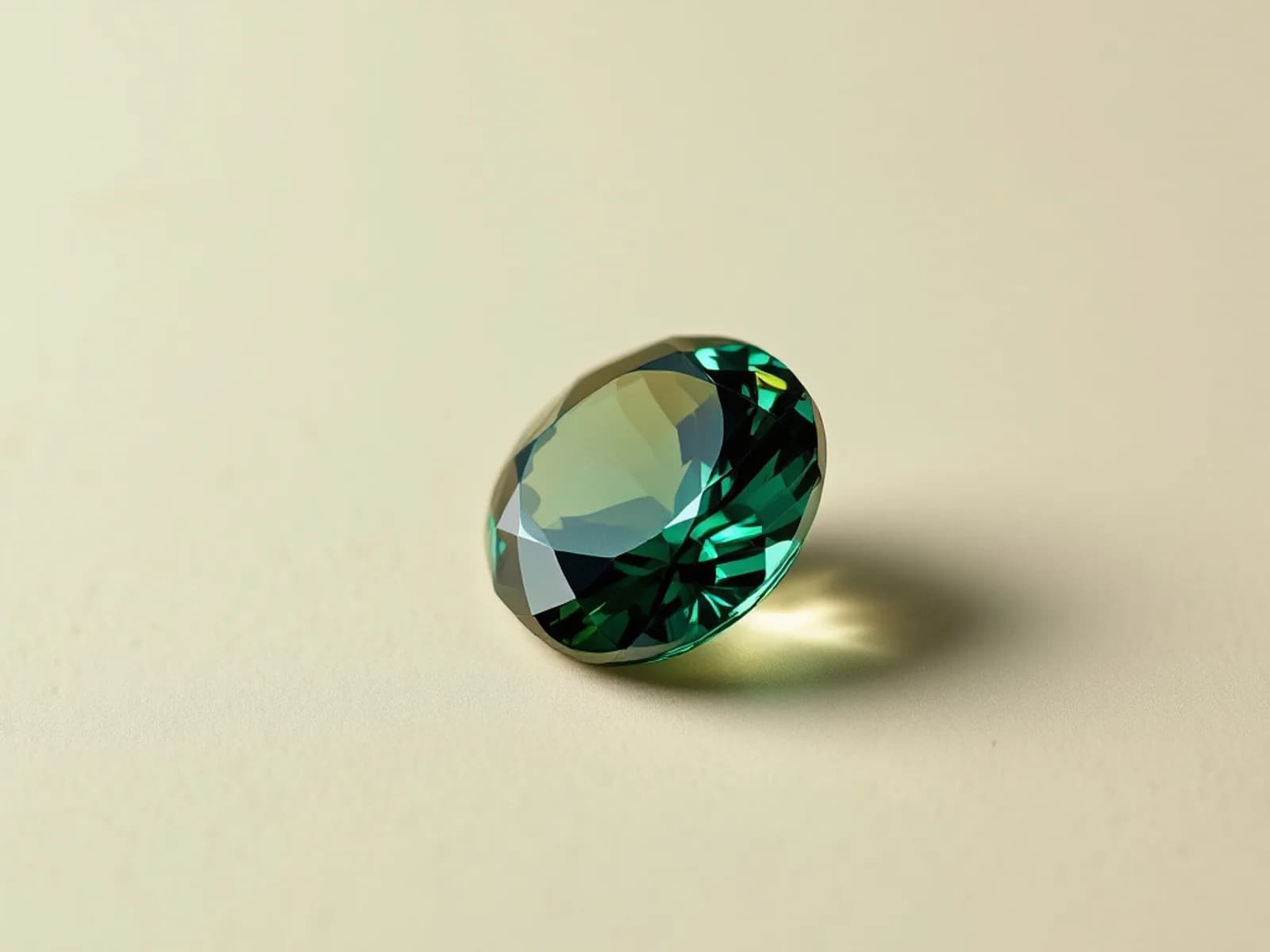
Alexandrite is the colour-change variety of chrysoberyl: green to bluish-green in daylight, red to purplish-red under incandescent light.
 Aquamarine
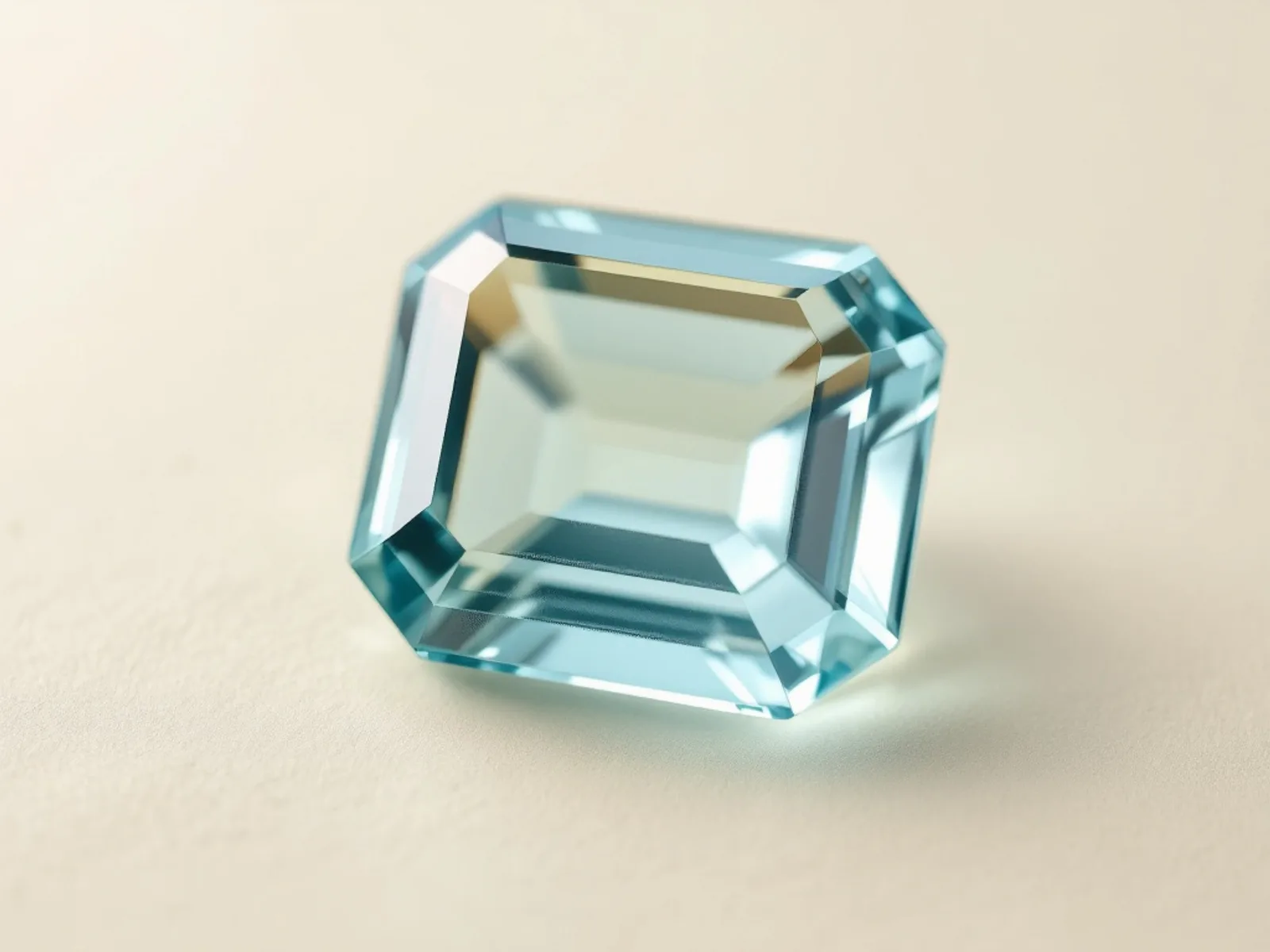
Aquamarine is blue beryl, cousin to emerald and morganite, and it is heated as a matter of course.
 Demantoid
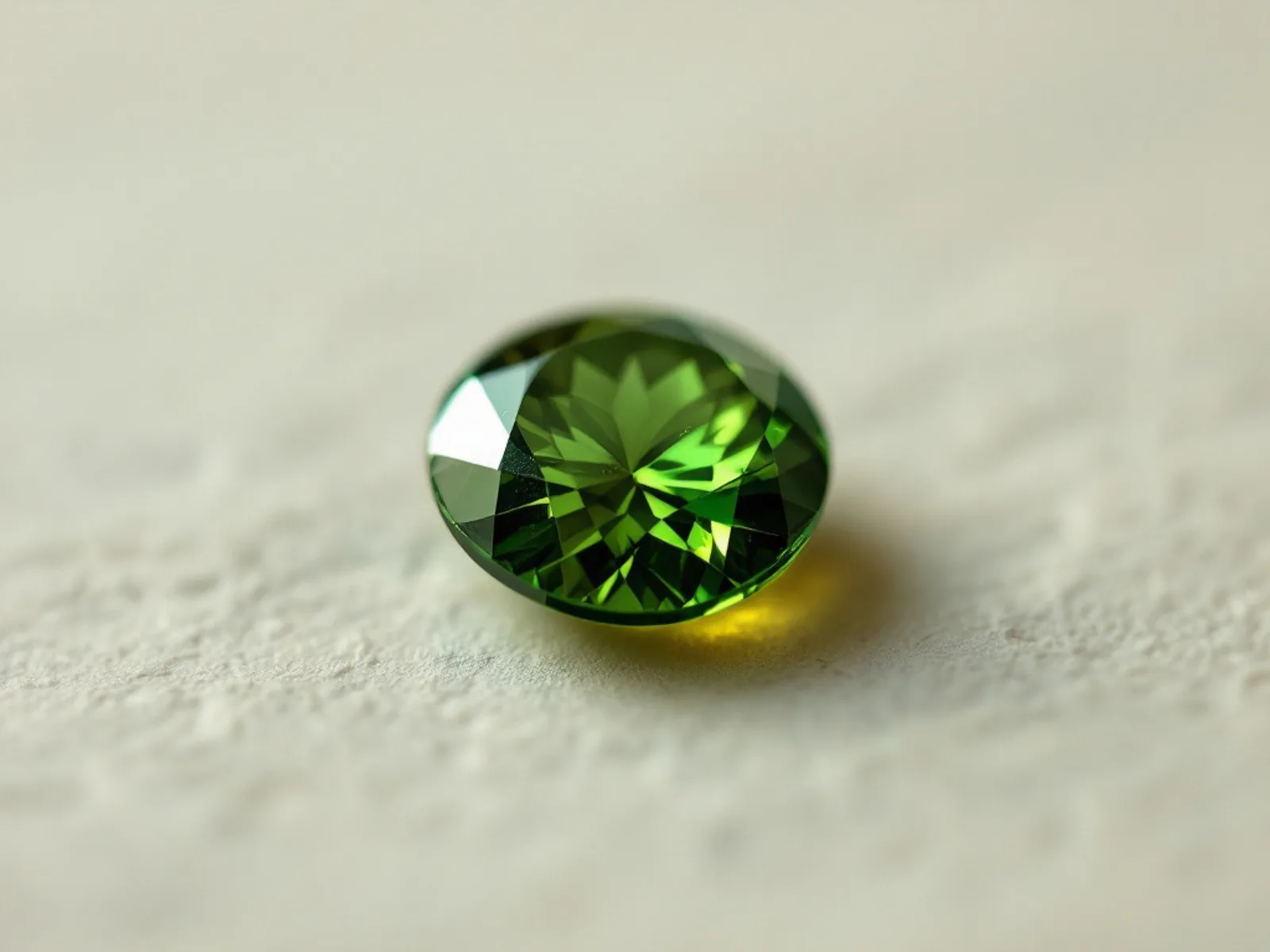
Demantoid is the green variety of andradite garnet.
 Emerald
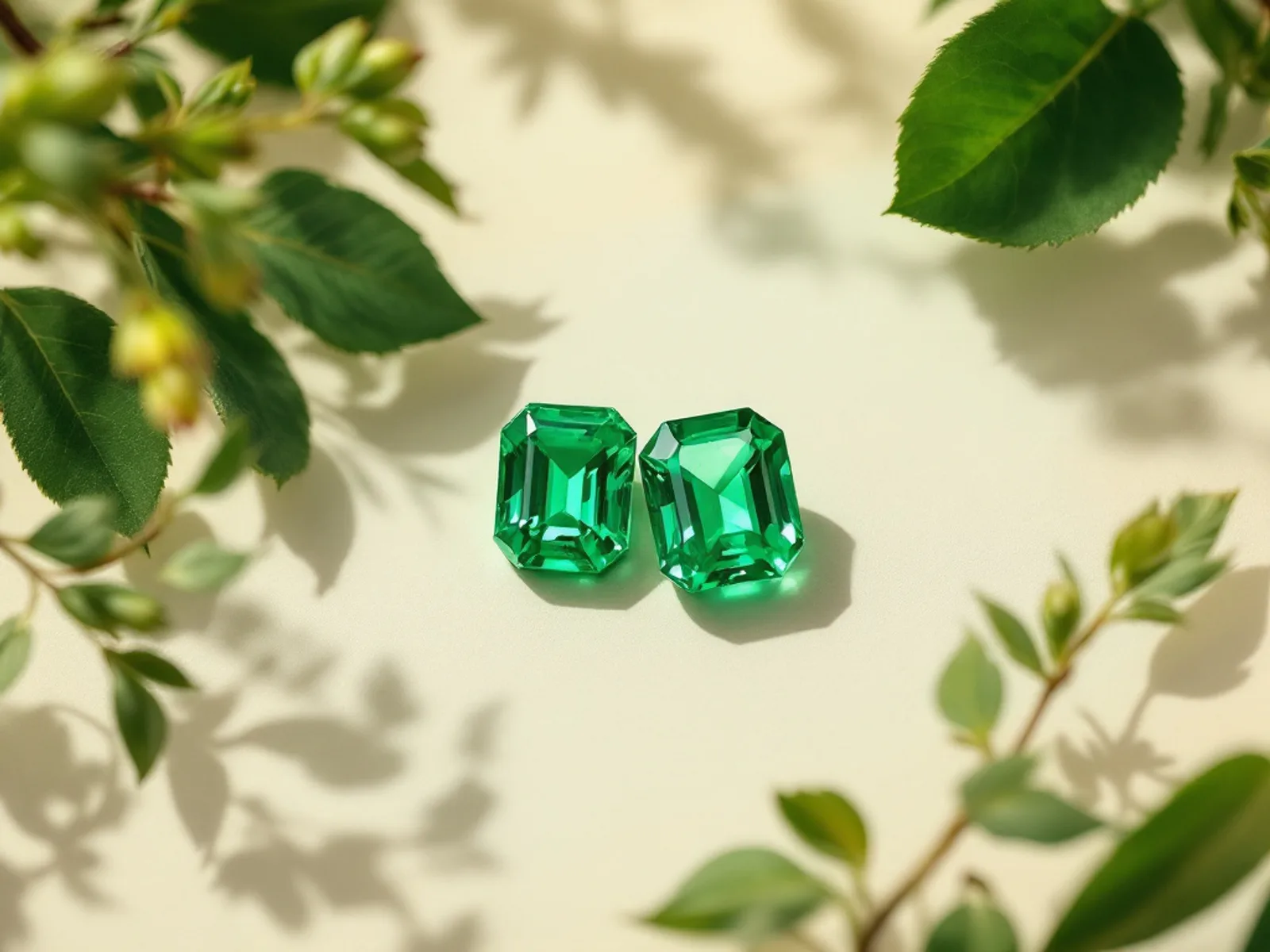
Emerald is green beryl, coloured by chromium, vanadium or both, and nearly every one sold has had oil or resin run into its fractures.
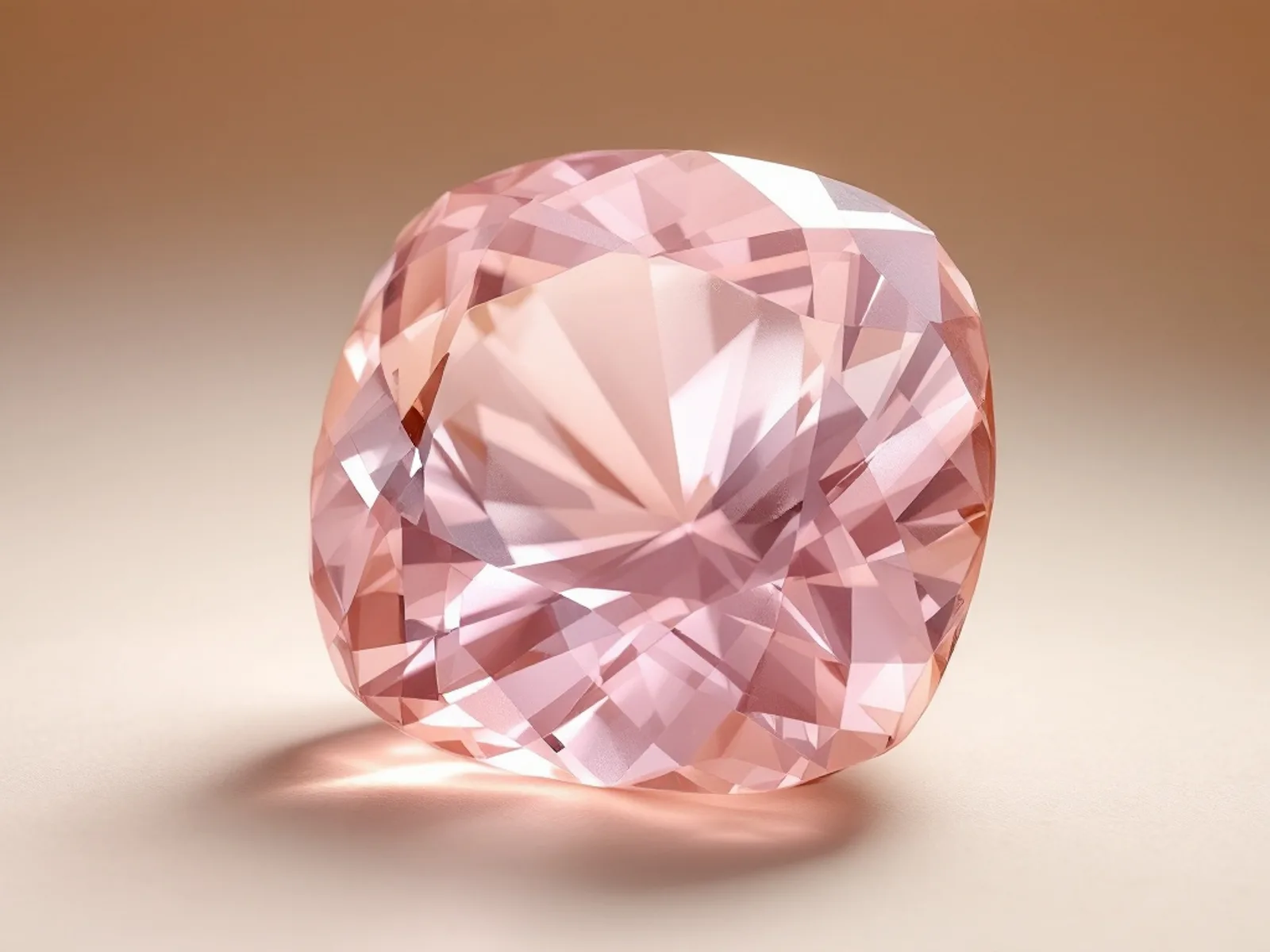 Kunzite
Kunzite is the pink to violet variety of spodumene, a lithium aluminium silicate, named for the gemmologist George Frederick Kunz after he described the first Californian crystals in 1902.
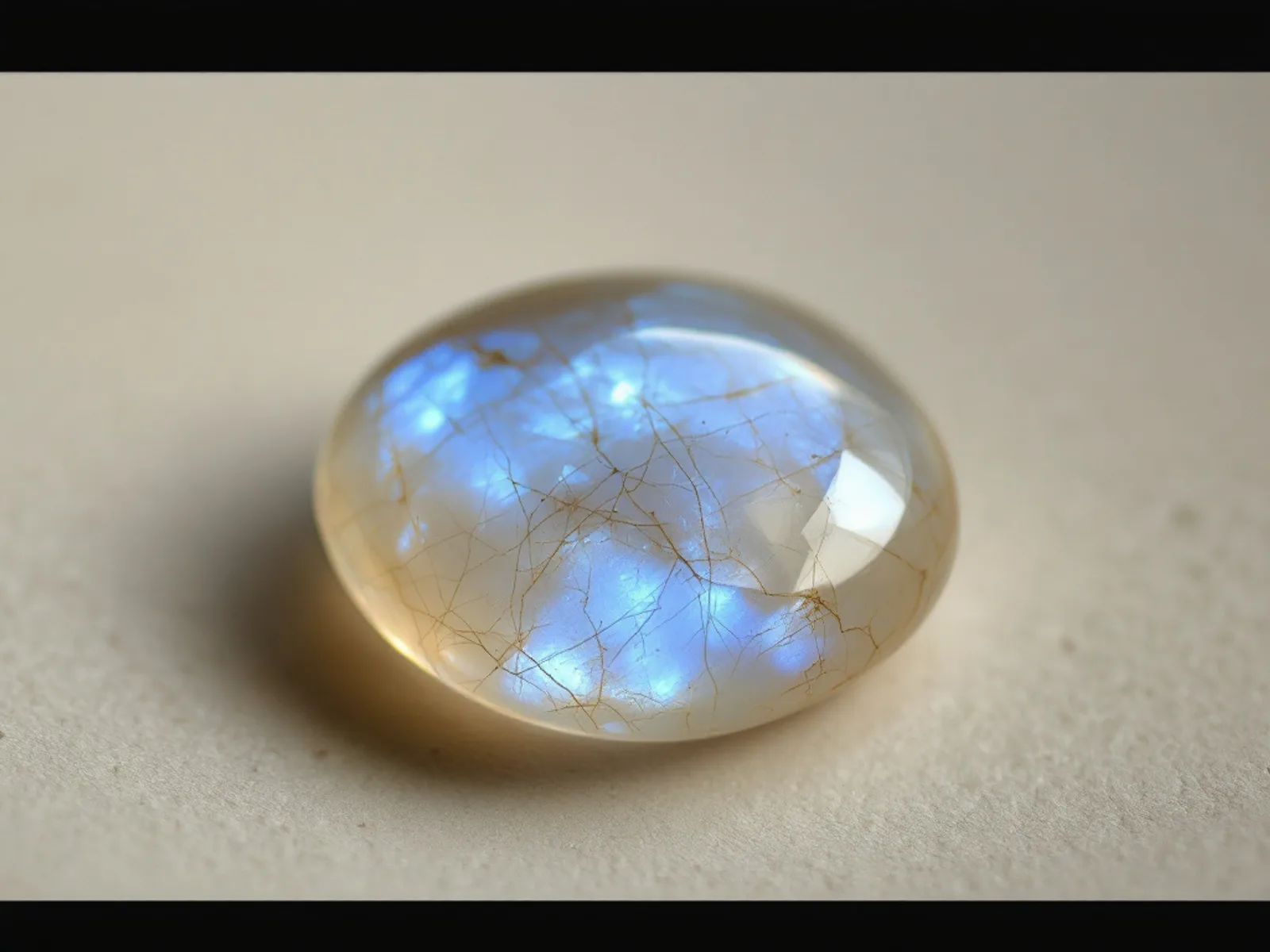 Moonstone
Moonstone is graded on its sheen before anything else.
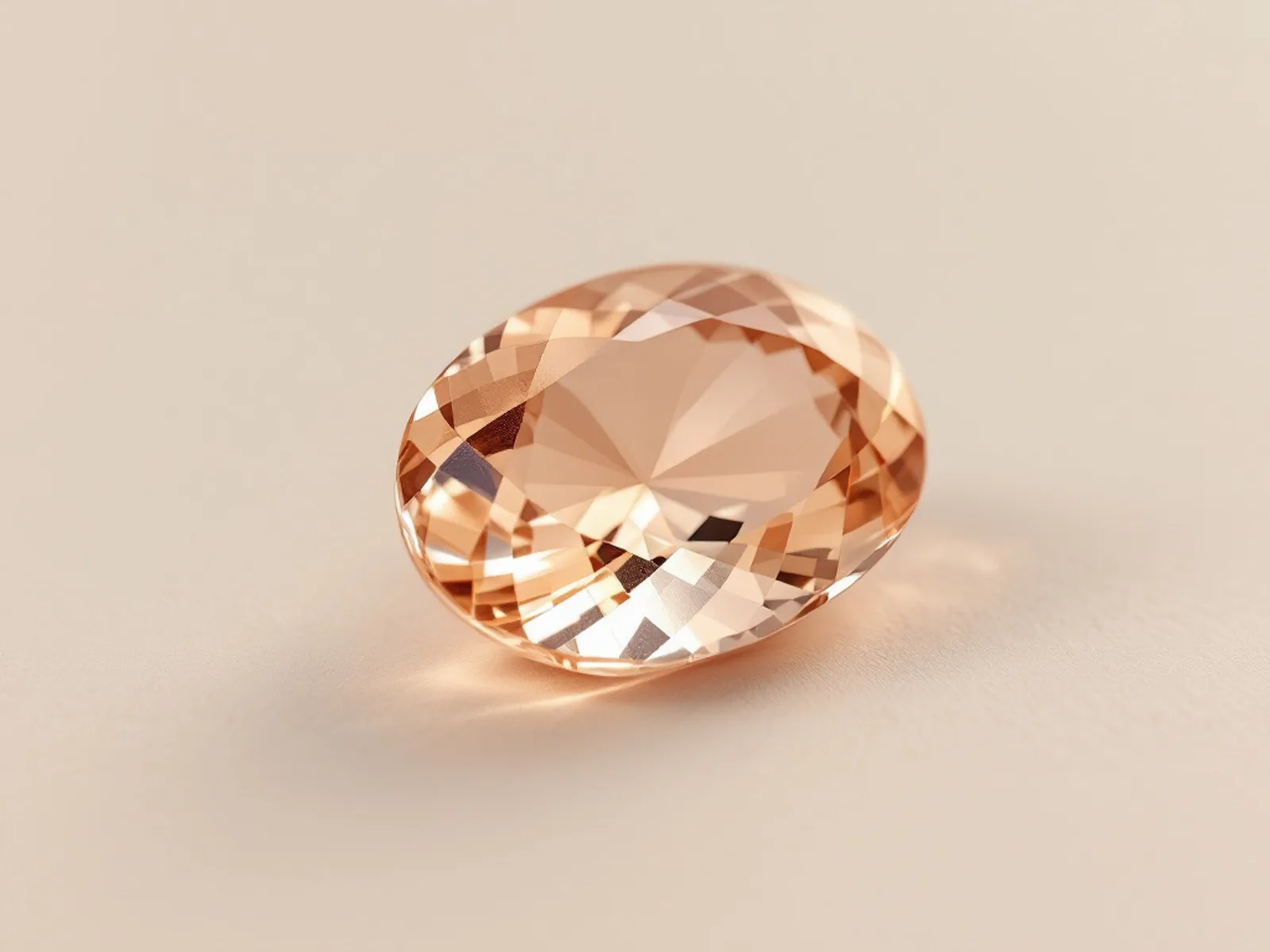 Morganite
Morganite is the pink to peach beryl, the same mineral as emerald and aquamarine, coloured by manganese rather than by chromium or iron.
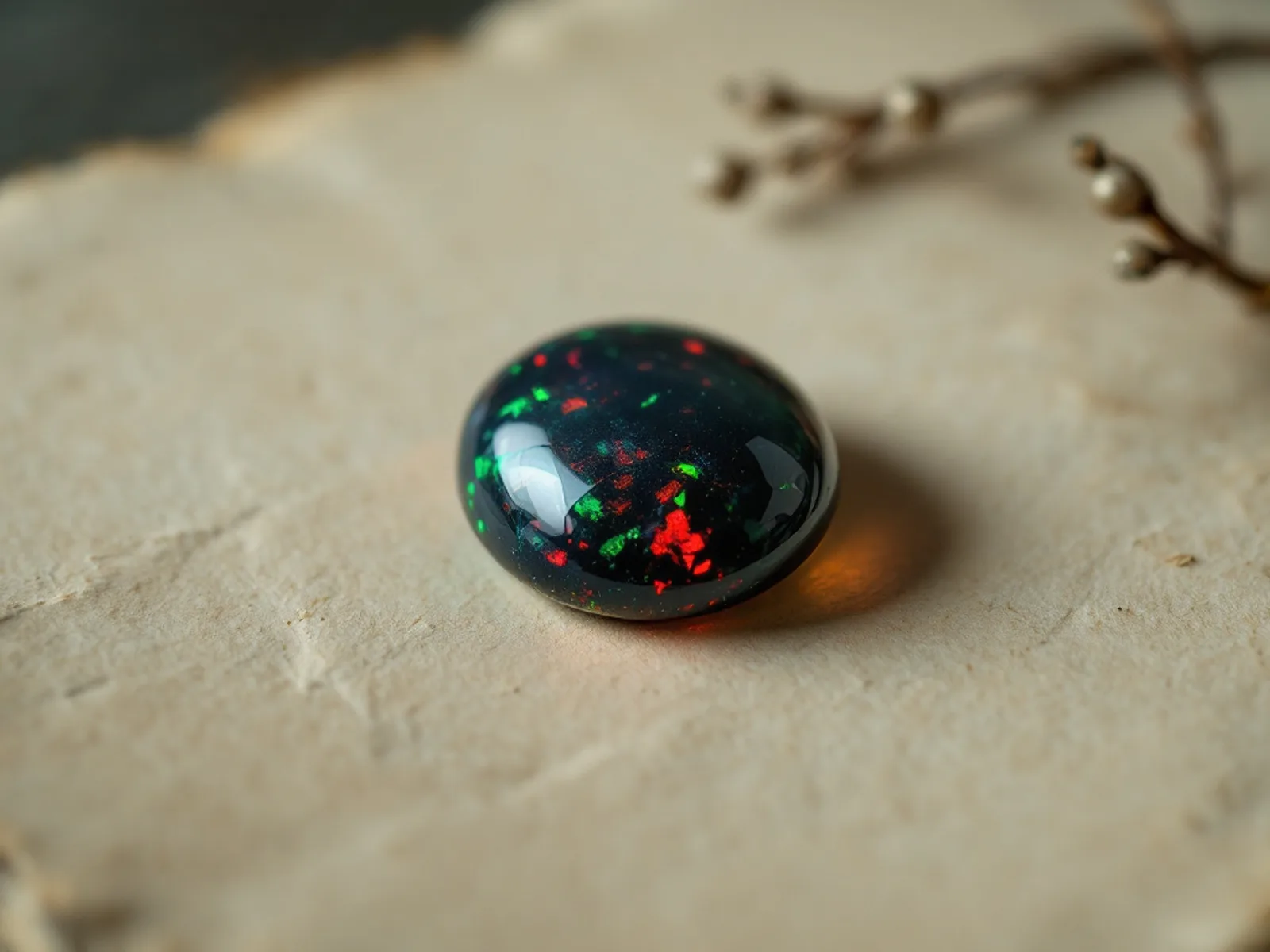 Opal
OpalOpal is priced on play-of-colour, the flashes of spectral colour that travel across the stone as it moves.
 Peridot
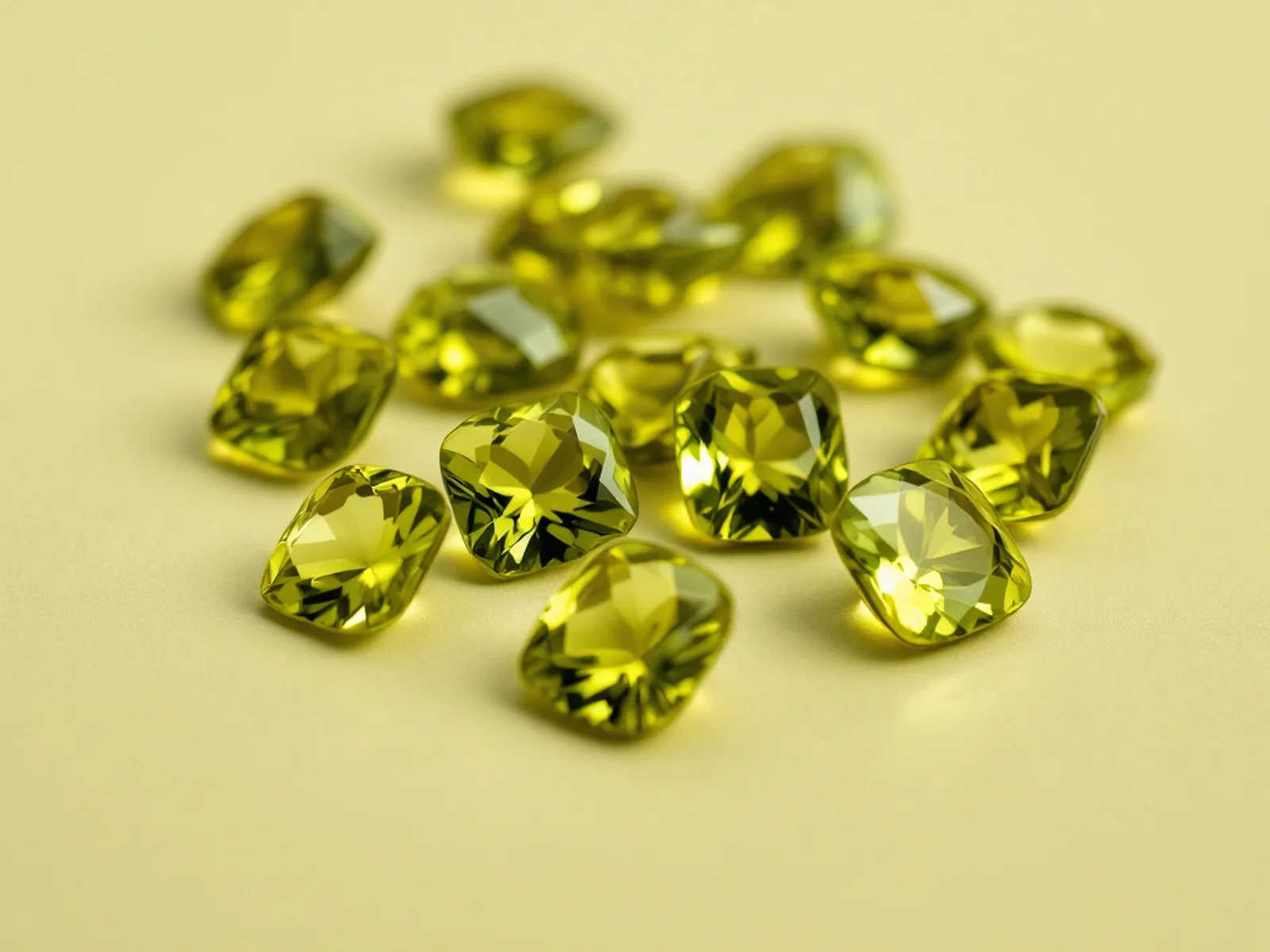
Peridot is gem olivine, and the iron that colours it green is part of the mineral rather than an impurity that can be put in or taken out.
 Ruby
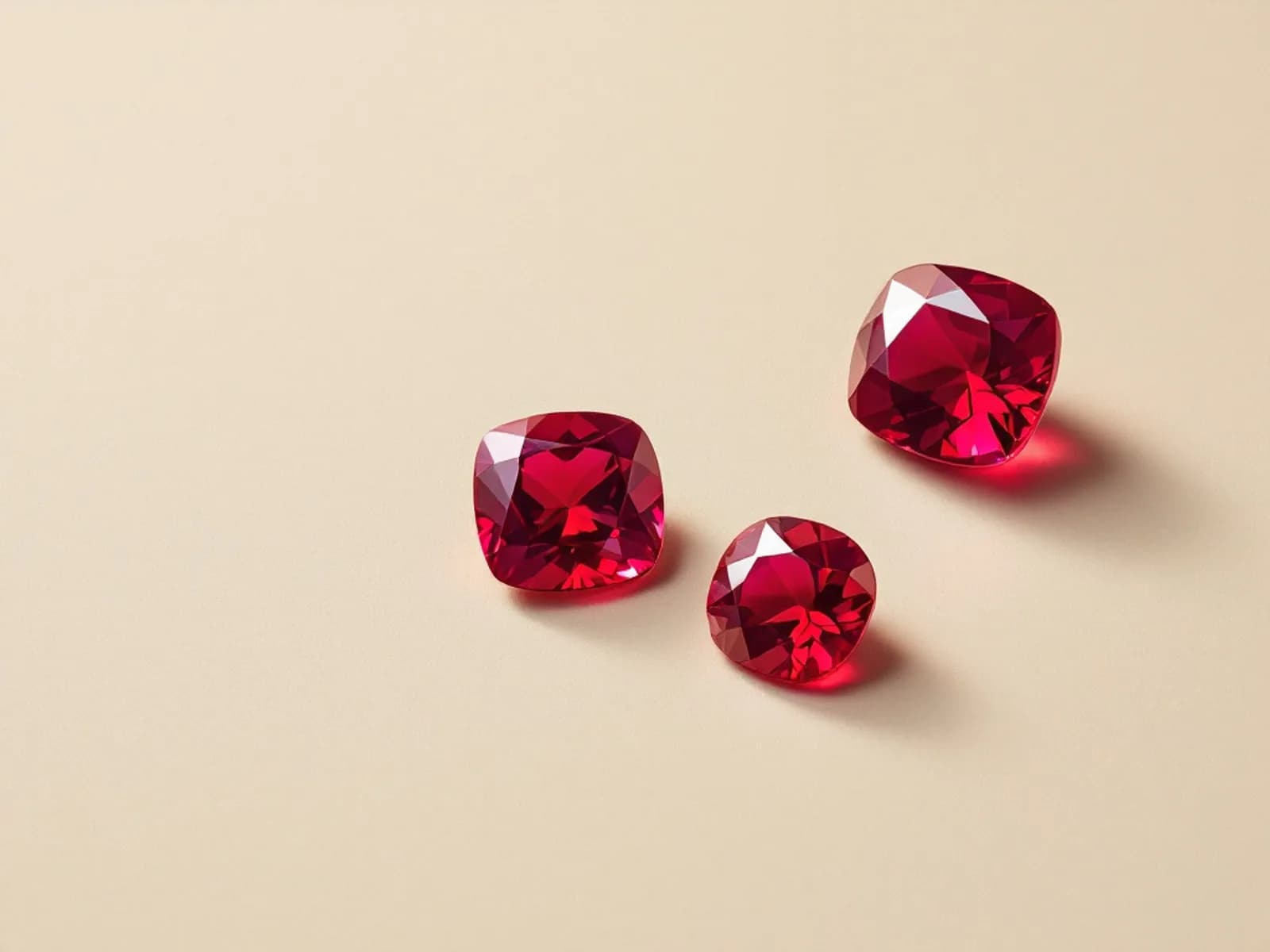
RubyRuby is red corundum, coloured by chromium, and at the top end it is the most expensive coloured stone per carat that changes hands.
 Sapphire
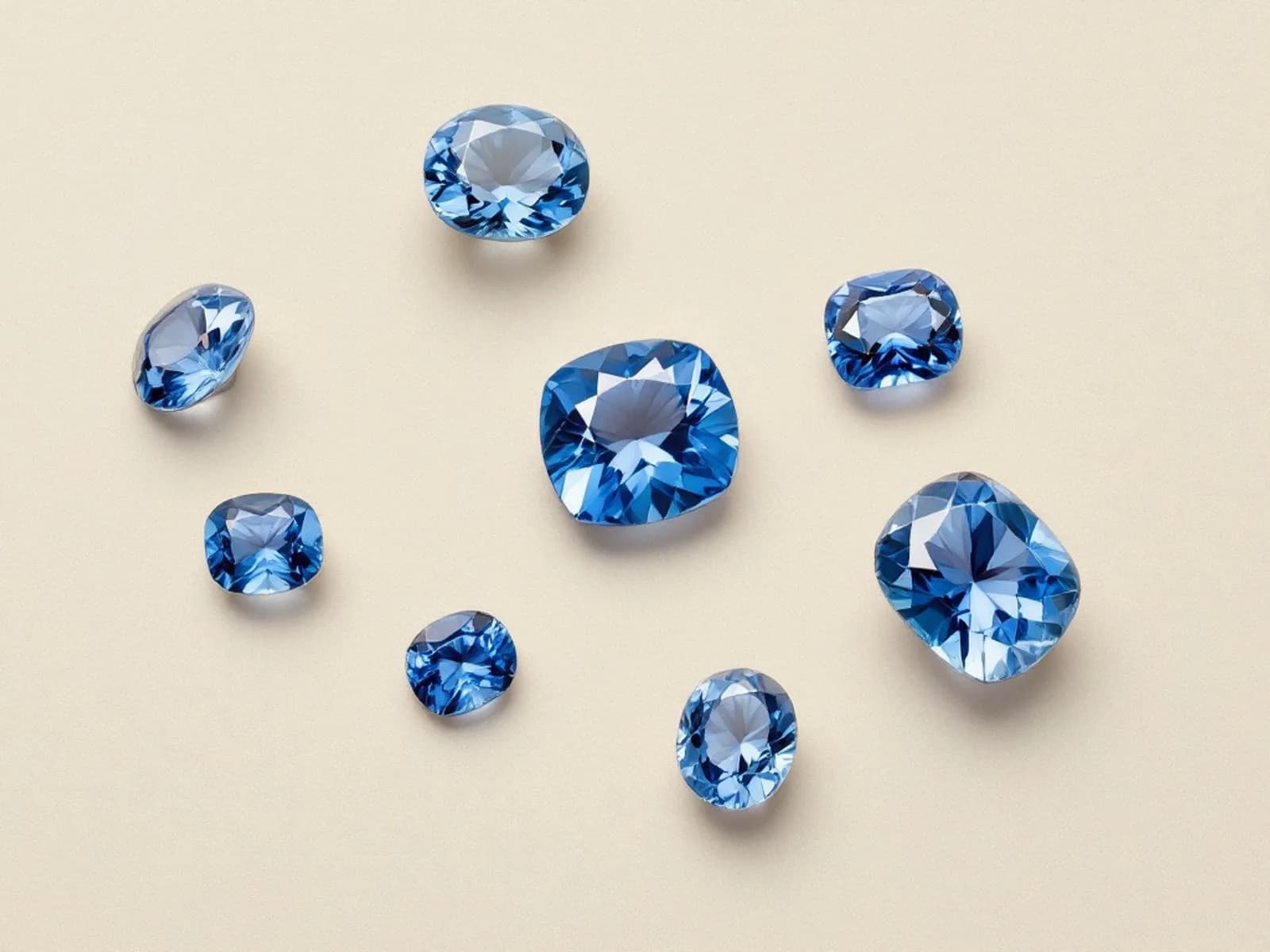
Sapphire is corundum in every colour except red, and red is ruby.
 Spessartite
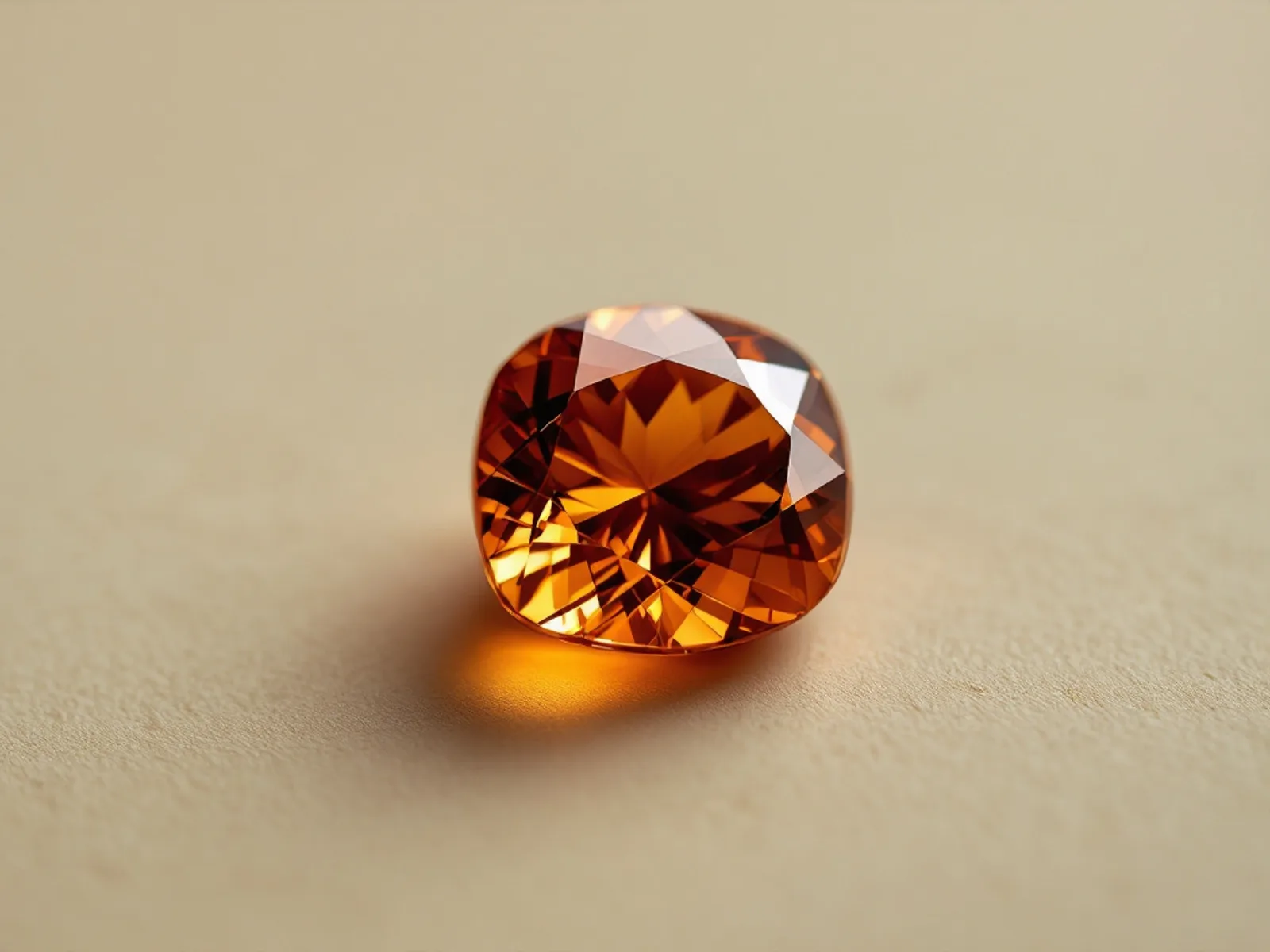
Spessartite is the manganese garnet, and its orange has no equal among untreated gems.
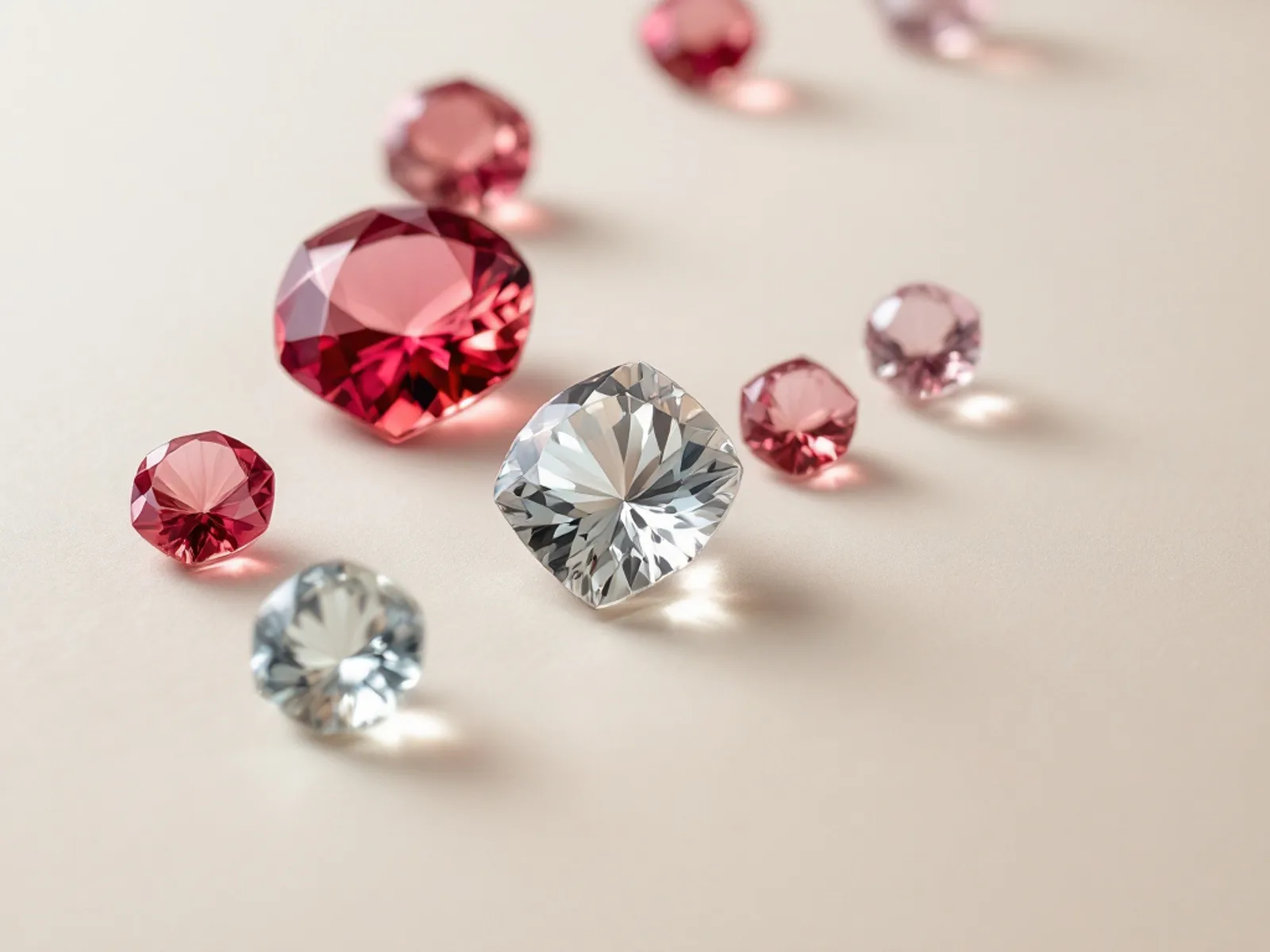 Spinel
Spinel is magnesium aluminium oxide.
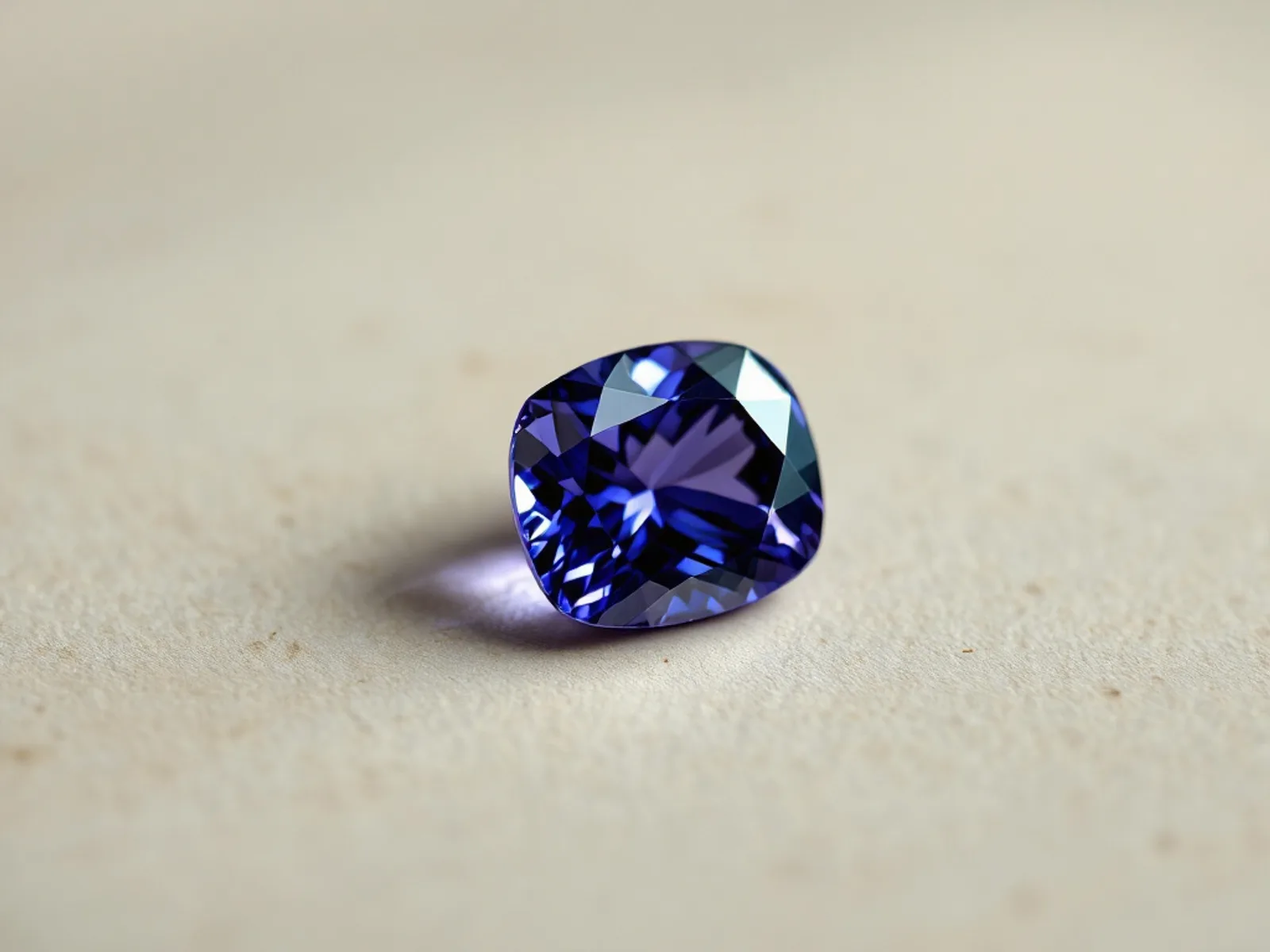 Tanzanite
Tanzanite is blue-to-violet zoisite from one strip of ground on earth, the Merelani Hills outside Arusha in northern Tanzania.
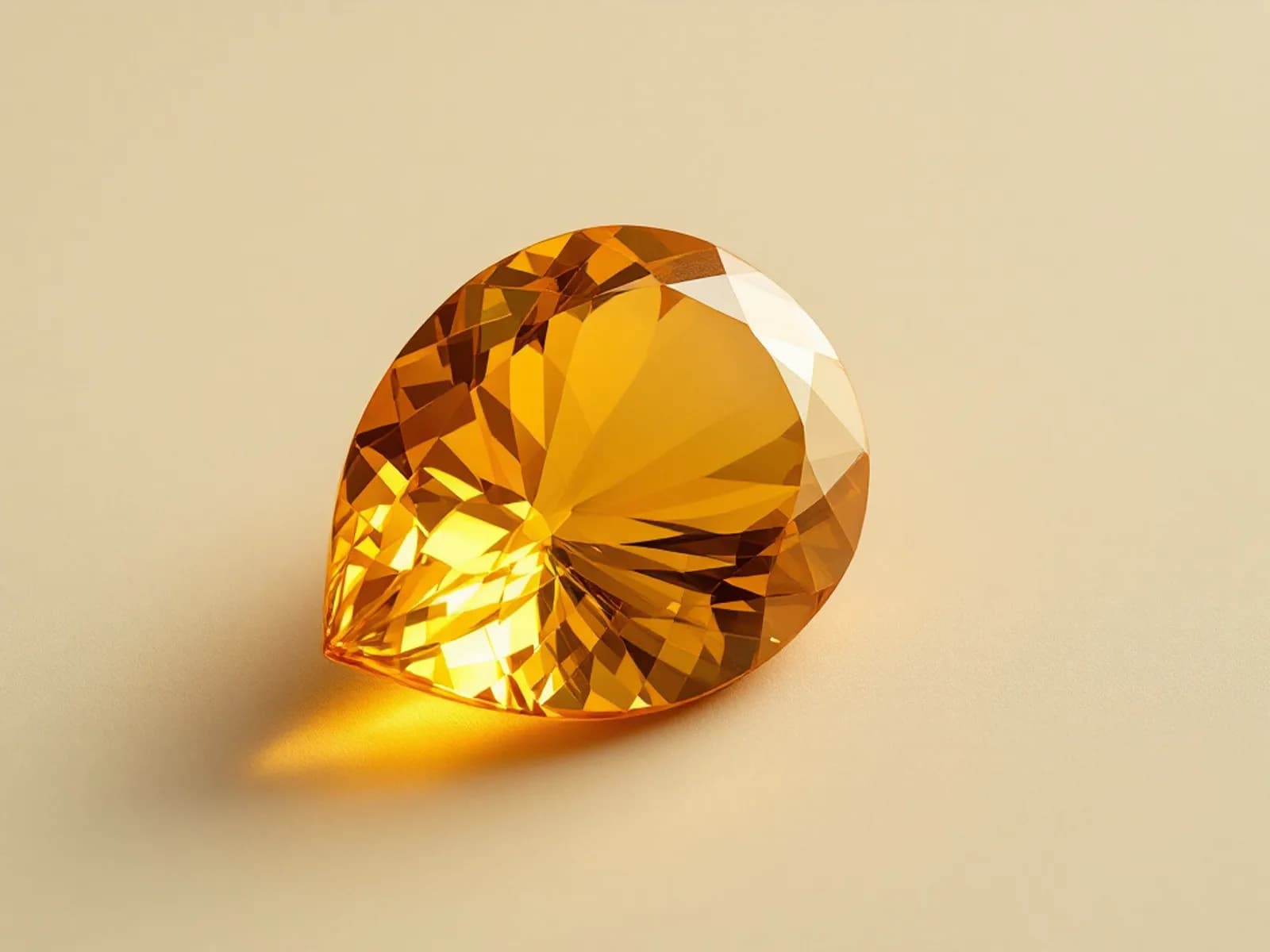 Topaz
TopazTopaz is two markets wearing one name.
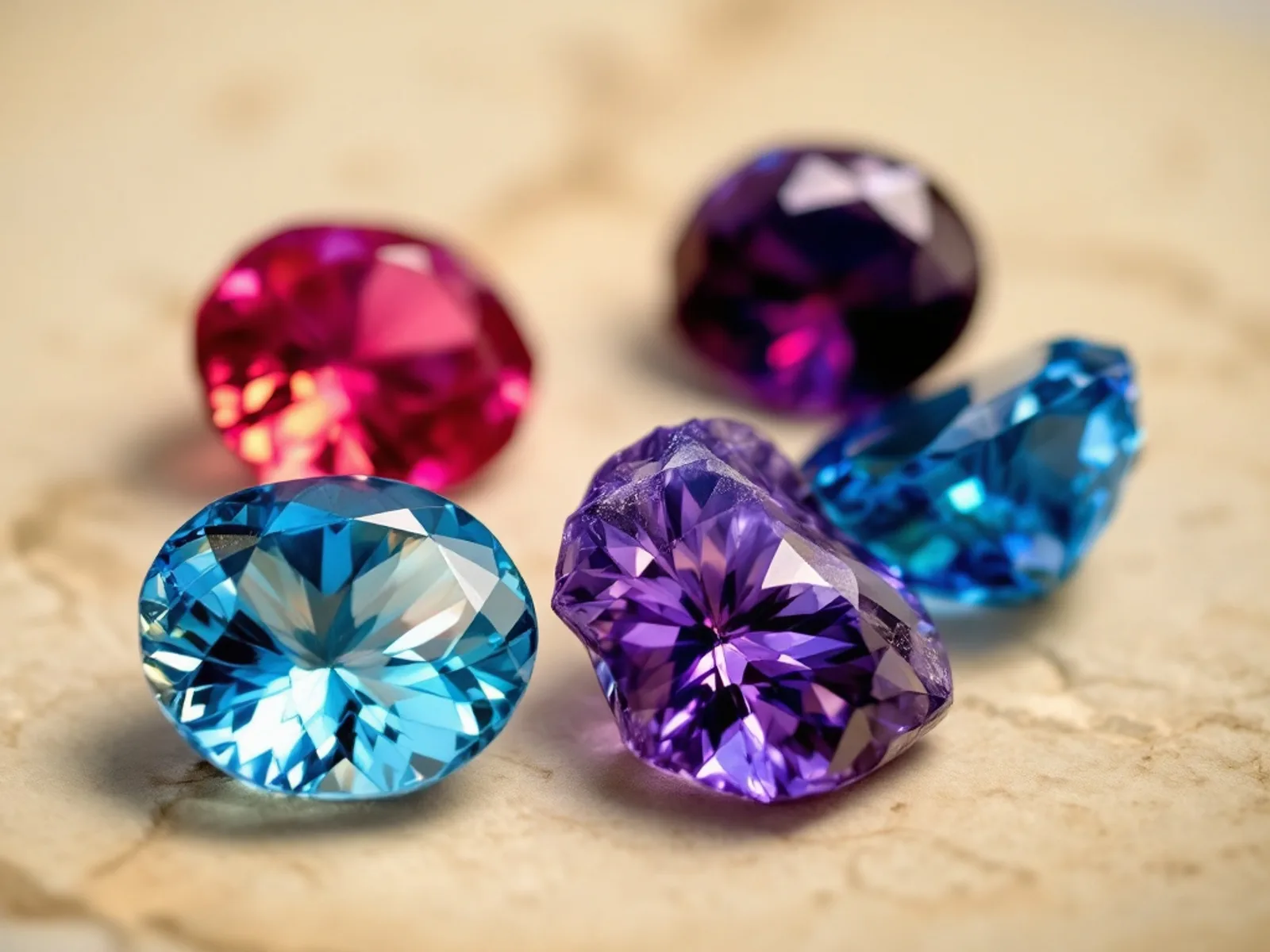 Tourmaline
Tourmaline comes in more colours than any other gem family.
 Tsavorite
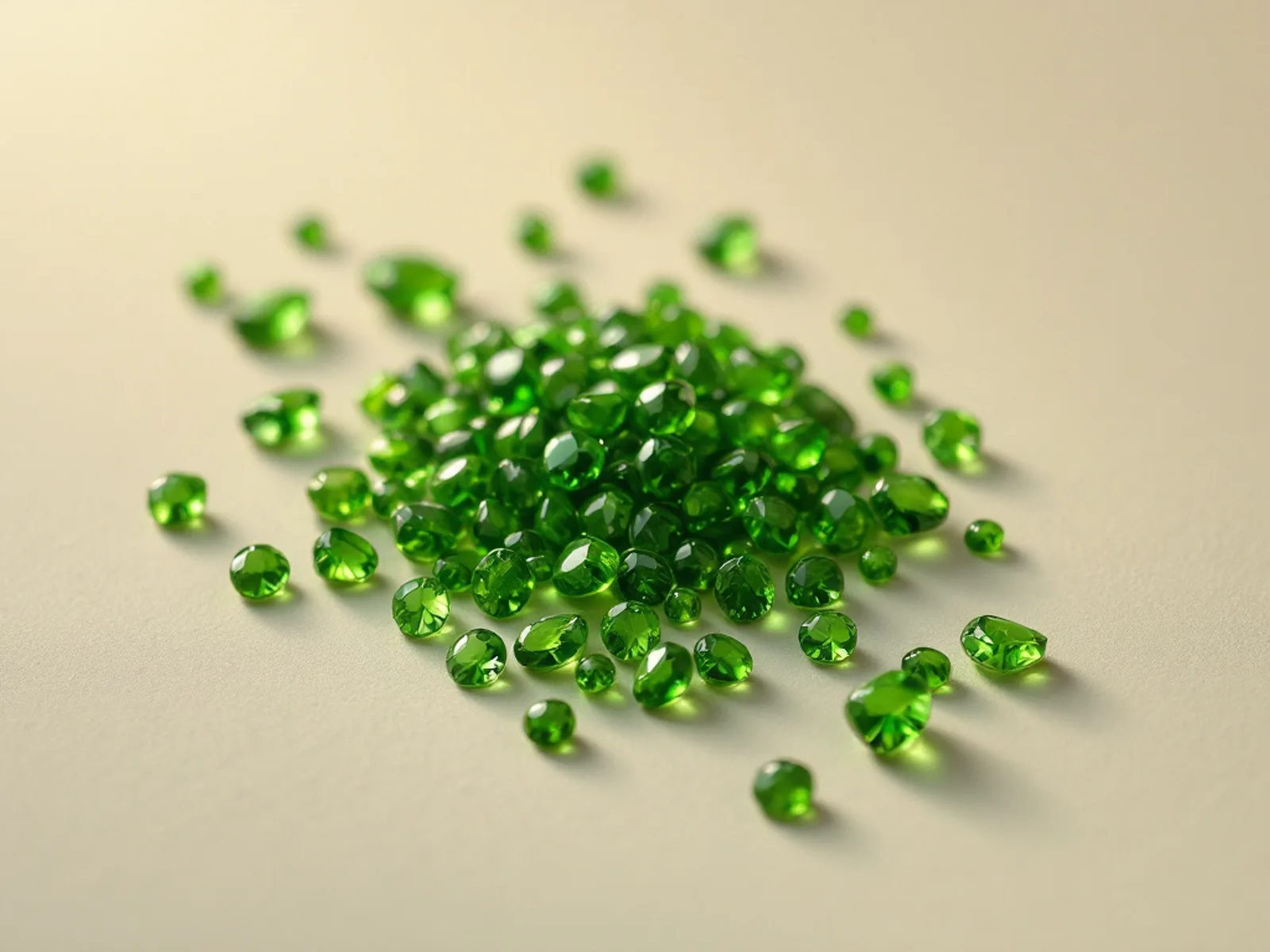
Tsavorite is green grossular garnet from the Kenya-Tanzania border, coloured by vanadium with some chromium.
 Zircon
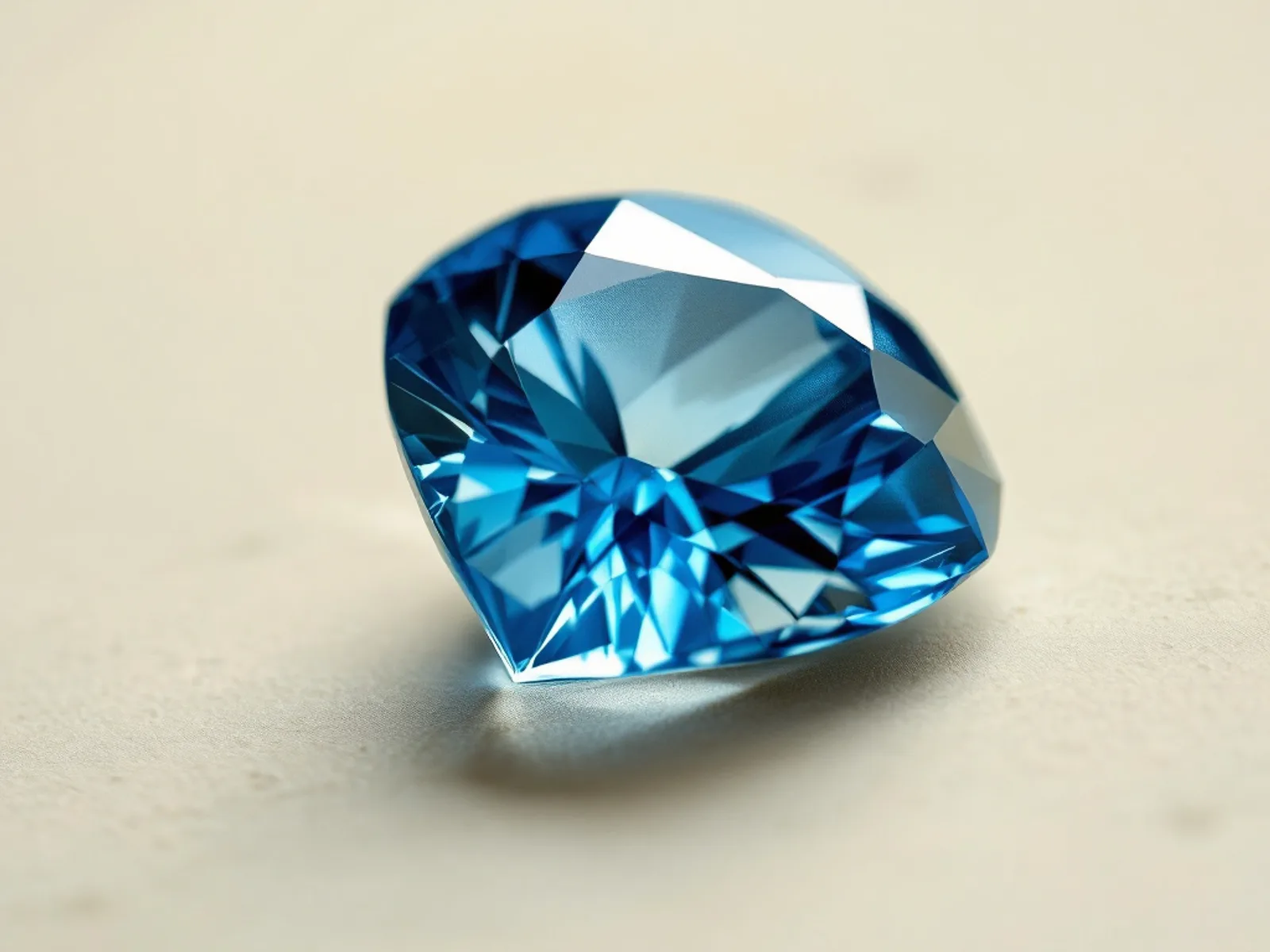
Zircon is the oldest mineral ever dated on earth, from grains in Western Australia at over four billion years.
Buying a coloured stone
What should you check before buying a gemstone?
Treatment, and whether the seller will name it in writing. Almost every ruby and sapphire on the market has been heated, most emeralds carry oil or resin in their fissures, and none of that is wrong in itself; the trade has done it for centuries and the price is supposed to reflect it. What goes wrong is silence. An unheated Burmese ruby and a heated one can look identical across a table and differ by a factor of ten in price, so a seller who will not put the treatment on the invoice is either not asking their supplier or would rather you did not know the answer. Colour, cut and weight you can judge with your own eyes and a scale. Treatment you cannot, and that is exactly why it is the thing to insist on.
Where can you buy legitimate gemstones?
From someone who can name the ground it came out of and does not mind you checking. Gem shows are the old answer and still a good one: Tucson in February, Munich in the autumn, Hong Kong in March. You get to tilt a stone under daylight instead of under a seller's lamp, which is where a lot of colour goes to hide. Cutters sell direct now, in Jaipur and Bangkok and Idar-Oberstein, and that takes a link out of the chain. Buying online, the number on a laboratory report should pull your stone up on that laboratory's own website; GIA and SSEF both let you type it into a browser. A PDF the seller emailed you is a different object entirely. This register lists houses and what each one publishes about itself, and every entry says where it was built from.
Questions, answered
What is the difference between precious and semi-precious stones?
Marketing, not gemmology. Victorian retail fixed diamond, ruby, sapphire and emerald as the precious four and left everything else semi-precious — a term that now covers fine spinel and tumbled agate equally. The market ignores it: good spinel and tourmaline outprice commercial sapphire many times over, and neither word appears on a laboratory report.
Is it safe to buy gemstones online?
Reasonably, with a return window. Photographs flatter colour badly and no screen shows you what a stone does when you tilt it, so the fourteen days to have it seen by somebody independent is worth more than any amount of description. Treatment in writing, and a report number you can check yourself.
How much does a real gemstone cost?
From a few pounds a carat to six figures. Origin, treatment and size swing it so far that a range without all three tells you nothing. We publish no valuations.
How can you tell if a gemstone is real?
Not reliably by eye, and that is the honest answer. Synthetic corundum has been produced commercially since the 1900s and is chemically identical to the mined material, so it defeats the usual home tests. Identification is laboratory work: a report from GIA, SSEF, Gubelin, GRS or a peer of theirs is what settles it.
What is the difference between a natural and a lab-grown stone?
Where it grew. A lab-grown sapphire is sapphire — same chemistry, same hardness, same 9 on the Mohs scale — and it should cost a fraction of the mined stone. Sellers must say which one they are selling you.
Which gemstones are worth investing in?
This register does not give investment advice and would treat anyone who does with caution. Coloured stones are illiquid, priced by negotiation rather than by an exchange, and sold at a spread most buyers only discover when they try to sell. If you buy, buy the stone.