Colombia — dealers and sourcing guide
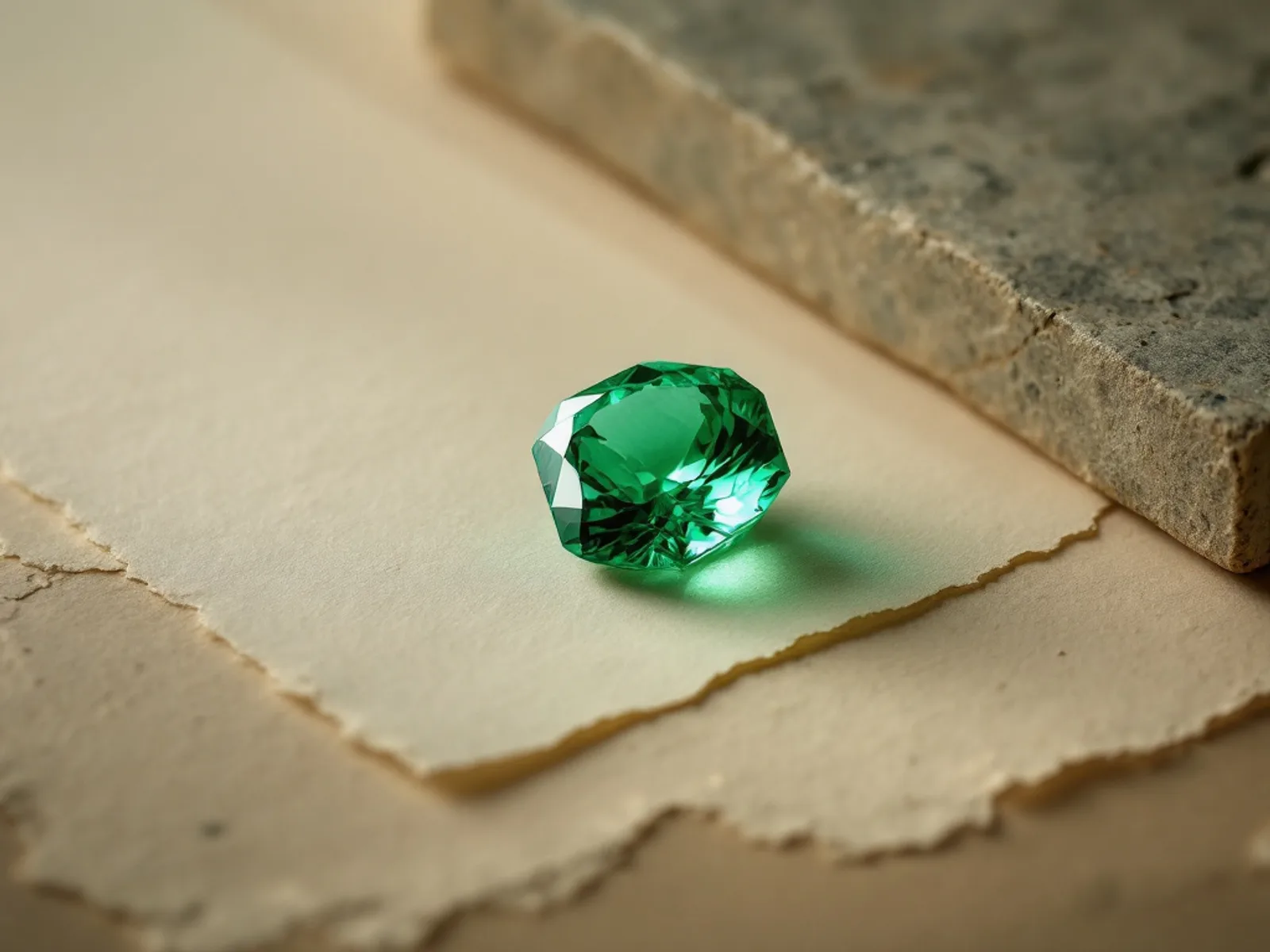
Colombia is the reference origin for emerald, and has been since Spanish colonial exports first reached Europe in the sixteenth century. The name still carries a pricing premium that no other emerald source matches. That is exactly why independent origin confirmation is an ordinary part of buying at the top of this market, not a luxury. Below: the three districts, the inclusions and colour that set the material apart, oil and resin and the words laboratories use for them, the Bogotá trade, and what to ask before you pay a Colombian price.
The mining districts: Muzo, Chivor, Coscuez
Three districts define Colombian production. Muzo, in Boyacá north-west of Bogotá, is the historic heart and the source most associated with the warm, slightly bluish green the trade prizes; dealers say Muzo green and everyone in the room knows what is meant. Chivor, to the east in Cundinamarca, tends toward a cooler, cleaner green with better clarity. Coscuez sits between the two in both geography and character, and it has been worked since the Spanish first arrived. Smaller names come up as well: Peñas Blancas and La Pita in the west, Gachalá in the east. Trapiche emeralds with their six dark spokes come mostly from Muzo and Peñas Blancas.
Production moves between formal operations and small-scale digging. Foreign-backed companies took over the main Muzo and Coscuez licences in the last fifteen years, and the guaqueros, the independent diggers who work the tailings and the riverbanks, are still there. Rough from both is traded intensively in Bogotá before export.
What distinguishes the material
Colombian emeralds grow in calcite veins cutting black shale, a sedimentary host, rather than the mica schists of Zambia and Brazil. Geology in one sentence, then. What it means to a buyer is low iron, which shows in the gentle, unclouded colour, and in the three-phase inclusions, a jagged cavity holding brine, a gas bubble and a salt cube, that were for decades taken as proof of Colombia on their own. They are not proof any longer. Panjshir stones and some Zambian material show them too, so a laboratory now leans on trace-element chemistry as well as the microscope before writing Colombia on the origin line.
Two other things the trade looks for. Top Muzo stones can show gota de aceite, a roiled, oily-looking texture inside the crystal that has nothing to do with oil and everything to do with growth; buyers pay for it. And the colour runs from a bluish green in Muzo through the cooler tone of Chivor, with saturation, not hue, doing most of the pricing work.
Oil, resin and what the report says
Clarity enhancement with oils or resins is standard practice across every emerald source. Colombia is no exception. Cedar oil is the traditional filler; polymer resins came in from the 1980s and are harder to remove and harder to spot. The degree of enhancement is stated on laboratory reports, and it belongs in any serious negotiation. Gübelin and SSEF grade it as none, insignificant, minor, moderate or significant, and GIA uses a similar ladder; some laboratories will also say whether the filler is oil or a resin. Each step down that ladder is a step down in price. A stone reported with no indications of clarity enhancement is rare in fine Colombian goods and priced as such.
Two practical points. Oil dries out and can be replaced, so a stone reported minor ten years ago may have been re-oiled since. And an ultrasonic cleaner will pull the filler out of fissures and leave a stone looking worse than the day it was bought. Ask the dealer how the stone should be cleaned. A good one will tell you before you ask.
The Bogotá trade
Rough and cut goods change hands in Bogotá, on the streets around Avenida Jiménez and Carrera Séptima where the esmeralderos still trade from their palms, and in the offices above them. The Bogotá trade includes houses of long standing alongside opportunistic sellers, and telling one from the other is precisely the distinction GemsVerified verification is built to surface. Cutting happens in Bogotá and increasingly abroad. Polished stones move on to New York, Geneva, Hong Kong and Jaipur; the finest go to auction.
Reports come from CDTEC in Bogotá, the local emerald laboratory, and from the international houses. GIA, Gübelin, SSEF, GRS, AIGS and Lotus all give Colombian origin opinions. Opinion is the operative word: it is a conclusion drawn from inclusions and chemistry, not a paper from the mine.
Buying Colombian emerald
Origin should come from an independent laboratory, not from the seller alone, and the enhancement level matters as much as the origin line. Ask for both in writing. If a stone is sold as Muzo, ask what the report actually says; most laboratories will write Colombia and stop, and a district name on an invoice is the dealer's opinion. Zambian, Brazilian and Afghan emerald all get sold as Colombian when nobody is checking. Hydrothermal synthetics exist and are not rare. Price moves on colour saturation first, then clarity, then oil grade, then size. A clean 3 ct stone with minor oil is a serious object; a 5 ct one with none is an auction lot.
Compare declared enhancement across listings before you compare price. The two only mean something together.
Buying through the register
The dealers listed on this page have had legitimacy, certification practice and disclosure checked before appearing. Ask for the laboratory report. Have the enhancement grade confirmed in writing, and see that the report wording and the invoice agree.
GemsVerified verifies dealers, not individual stones. The dealers below source Colombian emerald directly or through Bogotá connections. The report from an independent laboratory tells you what the stone is.
Dealers on the register
View all in directory →




Questions, answered
What stones come from Colombia?
Colombia is essentially an emerald origin. The Muzo, Chivor and Coscuez districts lead production, with smaller names such as Peñas Blancas, La Pita and Gachalá, and trapiche emerald from the western belt. Almost nothing else of gem importance comes out of the country. See the verified dealer grid for current availability.
Is Colombian emerald origin certified?
Origin opinions come from independent laboratories, never from the dealer alone. GIA, Gübelin, SSEF, GRS, AIGS, Lotus and Bogotá's CDTEC all issue Colombian origin opinions from inclusions and trace-element chemistry. Fine Colombian stones normally travel with a full report, and a stone offered at a Colombian price without one should be treated with caution.
Are Colombian emeralds oiled?
Almost all of them. Filling surface-reaching fissures with cedar oil or a resin is standard practice, and the report grades it from none through insignificant, minor and moderate to significant. The grade moves the price at each step. A genuinely unoiled Colombian stone is rare and commands a premium; a seller claiming no oil should have a report that says so.
What is a three-phase inclusion?
A small jagged cavity inside the emerald holding a liquid, a gas bubble and a tiny salt crystal together. For decades they were read as a Colombian signature. Afghan Panjshir emerald and some Zambian stones show them as well now, so a laboratory uses them alongside chemistry rather than as proof on their own.
How does Muzo differ from Chivor?
Muzo, in the western belt, is known for a warm, slightly bluish green of high saturation, the colour the trade calls Muzo green. Chivor, to the east, tends cooler and cleaner, with better clarity in general. Most laboratory reports say Colombia rather than naming a district, so a mine name on an invoice is the seller's view.