Myanmar — dealers and sourcing guide
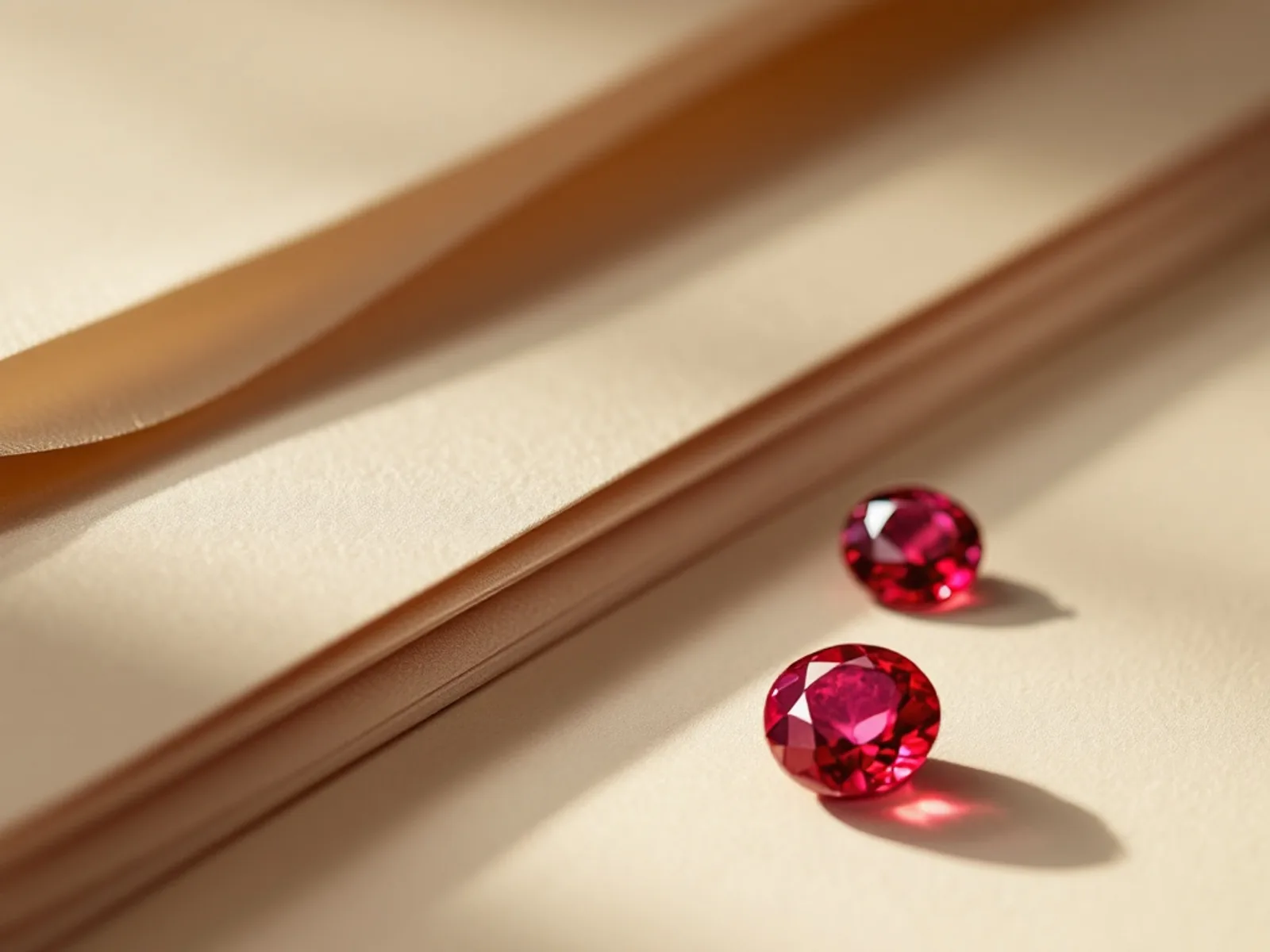
Myanmar, still called Burma across the gem trade, is the origin every ruby is measured against. Mogok's "Burmese ruby" defines the pigeon's blood colour. Mogok sapphire and spinel are among the finest anywhere, and the Mong Hsu deposit supplies much of the world's heated commercial ruby. This page covers the deposits and the treatments tied to each, jadeite in brief, and the sanctions and provenance questions a buyer should raise. It also explains how labs separate Burma from Mozambique on a report.
The deposits
Mogok: the Valley of Rubies
Mogok's ruby forms in marble. That keeps iron low and lets chromium fluoresce strongly in daylight, and that glow is what the trade means when a ruby "lights up". Mining in the Mogok Stone Tract, north of Mandalay, goes back at least six centuries. It continues in alluvial gravels known as byon and in the marble itself. The same district gives sapphire of a deep, velvety royal blue, red and hot pink spinel, peridot from Pyaung Gaung, and rarities such as painite. Foreigners need permits to enter Mogok, so most stones are first seen in Mandalay and Yangon.
Pigeon's blood is the trade's term for a strong red to slightly purplish red with bright fluorescence and few inclusions. Gübelin, SSEF, GRS, Lotus and AIGS will print the term when a stone meets their own colour standard, and some limit it to unheated stones. GIA does not use trade colour terms at all. Because the standards differ, the same ruby can carry the term on one report and not another. Buy the stone, not the phrase.
Mong Hsu: heat, residues and glass
Mong Hsu, in Shan State, was found in the early 1990s and quickly became the volume ruby source. Its crystals are small with dark blue-violet cores. Almost all are heated with flux to clear the blue and heal fractures. The process leaves glassy residues in the healed fissures, which labs report as heating with minor, moderate or significant residues. Disclosed as such, heated Mong Hsu ruby is legitimate commercial goods. It is not the unheated Mogok ruby that "Burmese ruby" implies at the top of the market, and it should not be priced as if it were. Lead-glass filling is a different and far more serious matter. The stone is a composite, reports say so plainly, and it needs care even in cleaning.
Sapphire, spinel and jade
Mogok sapphire is unheated more often than not, with silk that gives it a soft, velvety depth. Heated examples exist and reports say so. Spinel from Mogok, and from Namya to the north, is normally untreated, though labs now check for heat. The vivid pink stones from Man Sin, found around 2000, set the standard for that colour. Jadeite from Hpakant in Kachin State is Myanmar's most valuable gem export and trades mainly through Hong Kong. Only lab testing separates untreated "A" jade from polymer-filled "B" and dyed "C" material. Treated jade should be sold as such.
Sanctions, provenance and what to ask
The United States, the European Union and the United Kingdom have imposed, lifted and reimposed limits on Burmese rubies and jade at different times over the last twenty years. Measures aimed at the state gem enterprise remain in force in some places. GemsVerified does not give legal advice. The position depends on where you and the dealer are and when the stone left the country. What a buyer can do is ask. When was the stone exported, is it older stock, what papers come with it, and will the dealer put the answer in writing. A reputable dealer will not be offended by the question.
Burma versus Mozambique on reports
Since the Montepuez find in 2009, Mozambique has supplied most of the world's fine ruby, including unheated stones that rival Mogok. Labs separate the two by inclusions, trace elements and spectra. Mogok shows short silk, calcite crystals and swirled "treacle" growth. Mozambique shows amphibole crystals, a different silk and more iron, hence weaker fluorescence. Origin is an opinion. The harder separations are Burma against Vietnam, Afghanistan and Tajikistan, which are also marble-hosted. Reports read "Burma (Myanmar)" or "Myanmar". Both mean the same. The price gap between the two origins is wide. That is exactly why "Burma" written on an invoice without a report is not enough.
Buying notes
Ask which lab issued the report, what the treatment line says, and whether the stone is unheated Mogok-type material or heated Mong Hsu. Look for "no indications of heating" if you are paying an unheated price, and for the residue wording if you are not. Ask about glass. Watch for Mozambican or Vietnamese ruby sold as Burmese, heated stones sold as unheated, and residues left unmentioned. "Pigeon's blood" used as a sales adjective rather than a lab finding is another warning sign.
Buying through the register
GemsVerified has checked the legitimacy, certification practice and disclosure of every dealer listed on this page. That check covers how a dealer operates, not the stones in any one parcel.
Ask for the laboratory report on any significant purchase. Confirm the treatment status in writing on the invoice. And remember that GemsVerified verifies dealers, not individual stones.
Dealers on the register
View all in directory →

Questions, answered
What does pigeon's blood mean on a ruby report?
It is a trade colour term for a saturated red to slightly purplish red ruby with strong fluorescence and few inclusions. Gübelin, SSEF, GRS, Lotus and AIGS each apply their own standard, and some limit it to unheated stones. GIA does not use the term. It describes colour, not origin, though Mogok defined it.
How can I tell if a ruby is from Burma?
You cannot by eye. Origin is an opinion given by an independent laboratory after comparing inclusions, trace-element chemistry and spectra with reference stones from Mogok, Mong Hsu, Mozambique, Vietnam and elsewhere. Ask for a report from GIA, Gübelin, SSEF, AIGS, GRS or Lotus rather than relying on the seller's description.
Are all Burmese rubies unheated?
No. Mogok produces many unheated stones, but Mong Hsu ruby, the higher-volume Burmese source, is almost always heated with flux and carries residues in healed fractures. Reports state this as indications of heating with residues. A Burmese origin does not imply no heat; the treatment line on the report does.
Is it legal to buy Burmese ruby?
It depends on where you are and when the stone left Myanmar. Several governments have imposed, lifted and reimposed restrictions on Burmese gems, and some measures remain in force. GemsVerified does not give legal advice. Ask the dealer for export dates and documentation, and check the rules that apply in your jurisdiction.
Is Mozambique ruby as good as Burmese ruby?
The best Mozambique ruby overlaps in quality with Mogok, including unheated stones, and it now supplies most of the fine ruby traded. Prices for Burmese origin remain higher. Because the two are separated only by laboratory examination, a report is essential whenever the origin is part of what you are paying for.